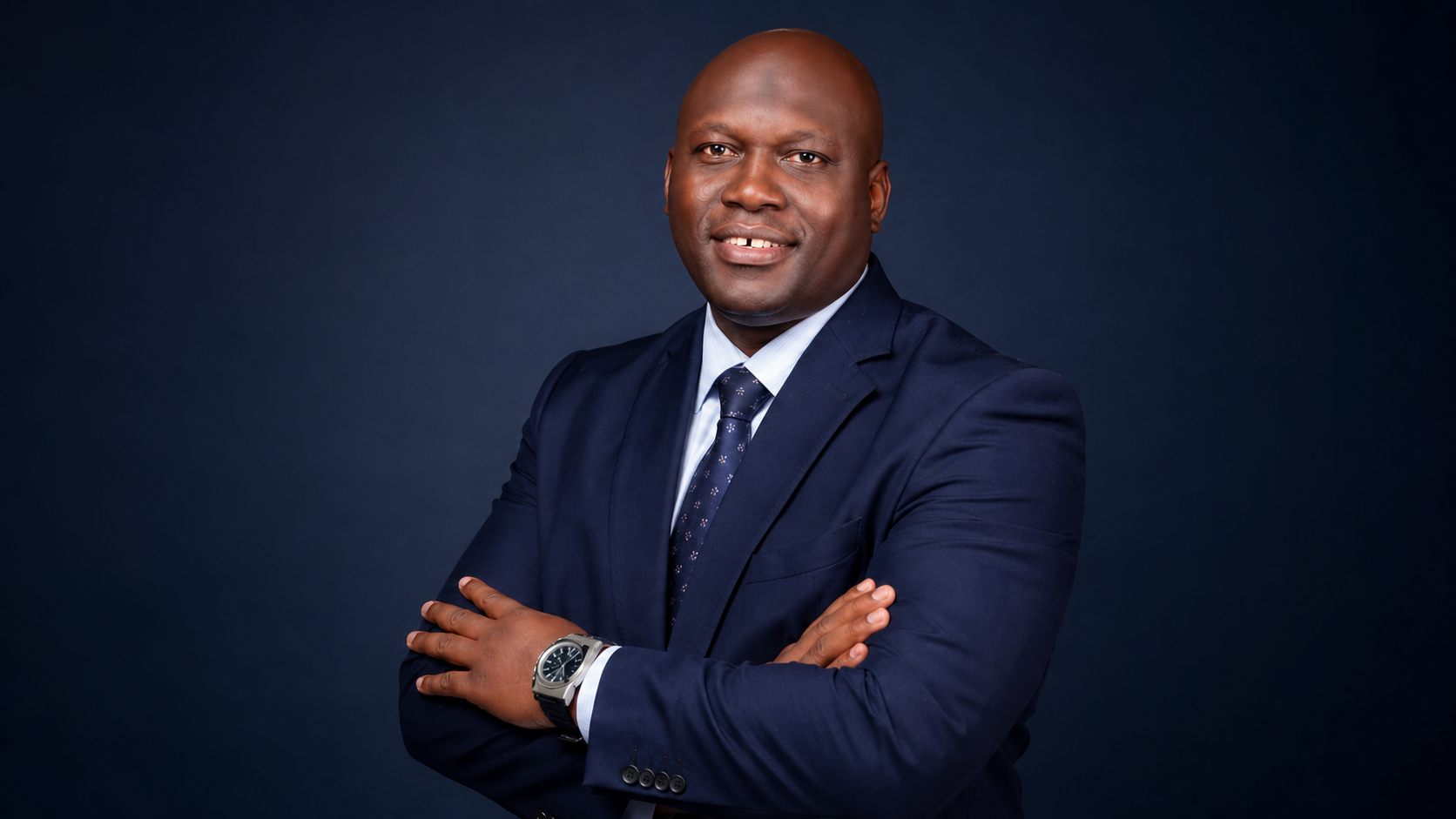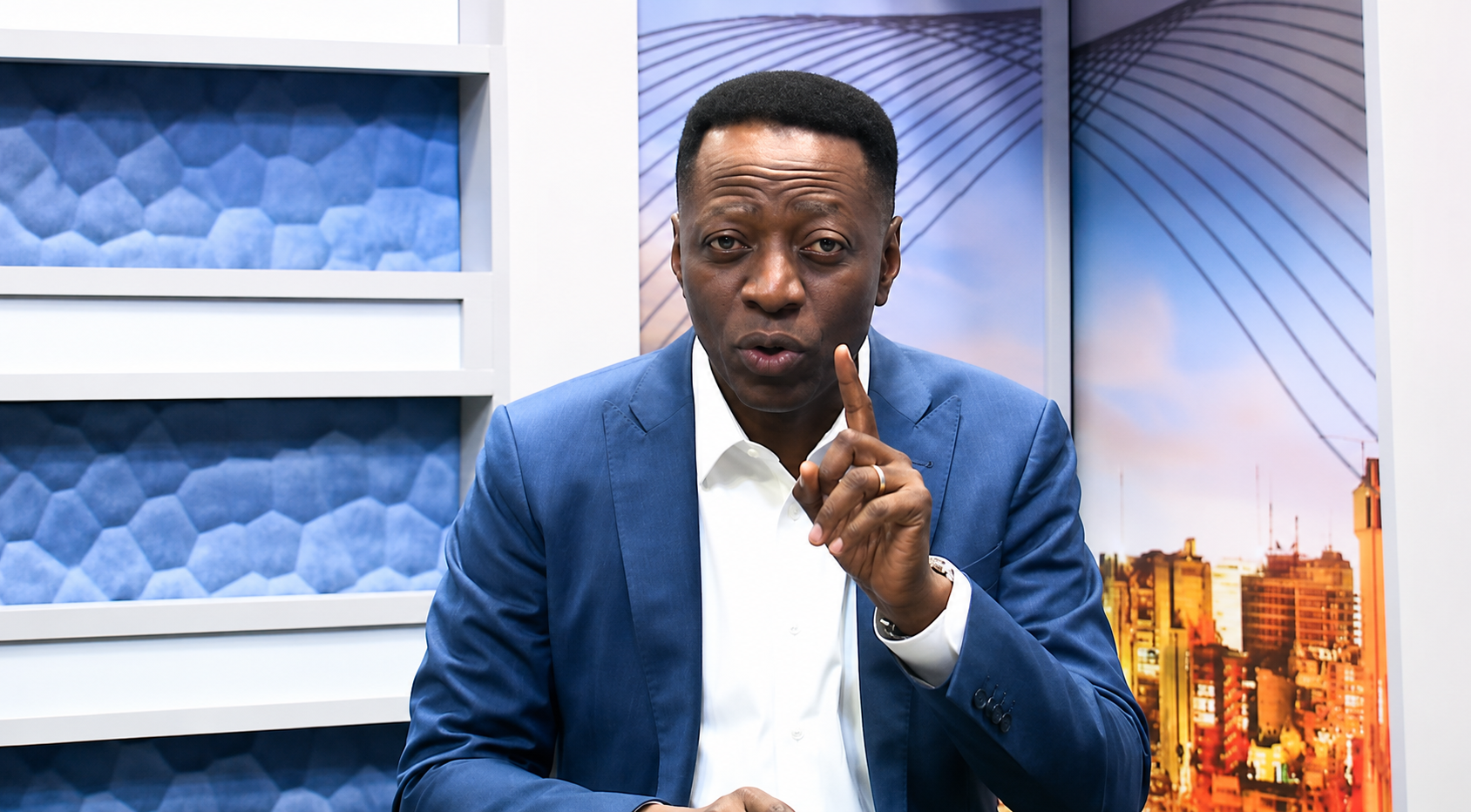
At a time when strong leadership and disciplined execution have become the defining needs of developing economies, Chairman, Shoreline Group, Kola Karim has called for a renewed focus on accountability, community trust, and long-term planning to drive Nigeria’s sustainable growth.
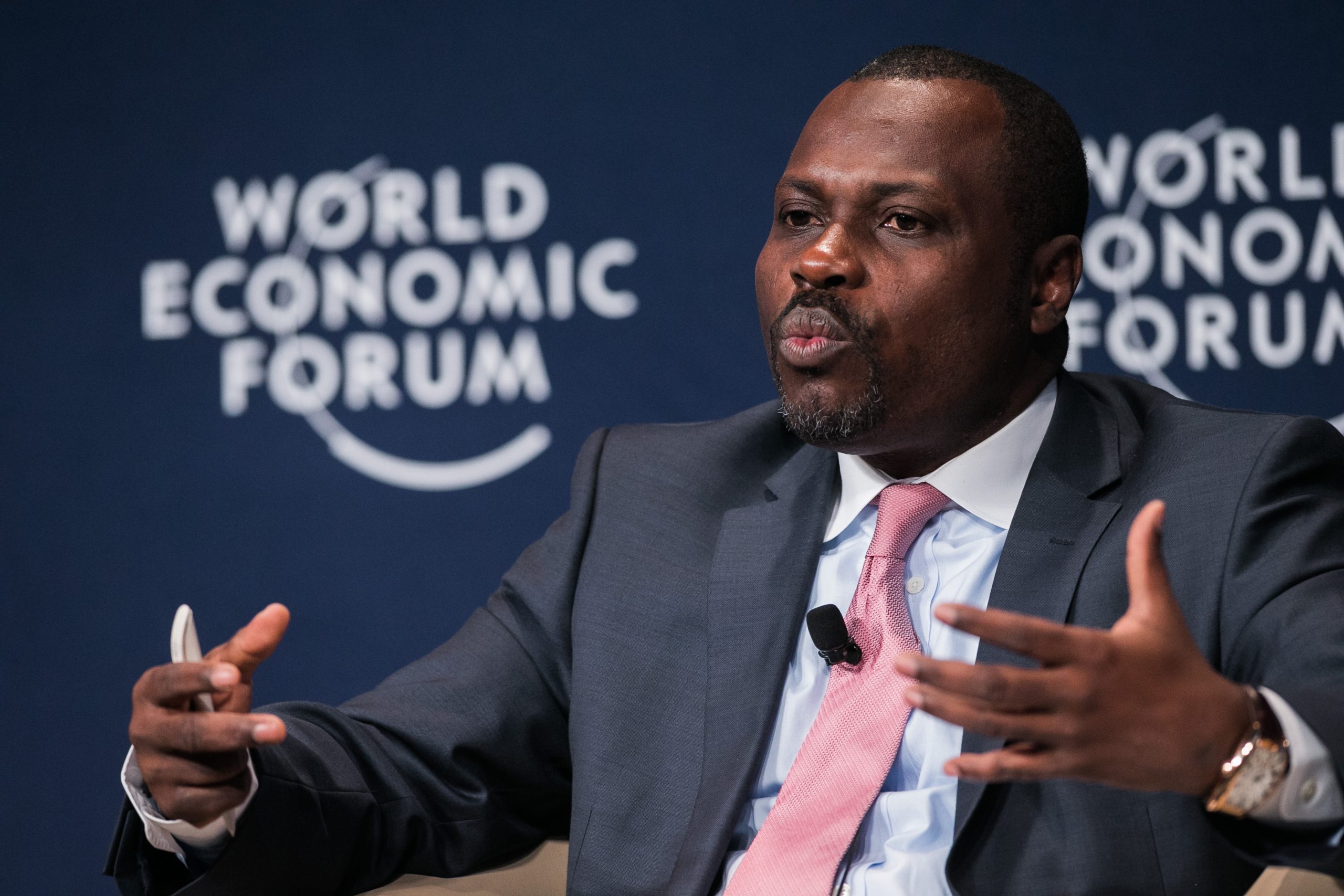
Speaking at the ninth edition of the Future Investment Initiative (FII) in Riyadh, Saudi Arabia, the Nigerian business leader shared deep insights on leadership, infrastructure, and Nigeria’s evolving energy landscape. In a conversation with Arise News on the sidelines of the global investment forum, Karim emphasized that leadership and effective execution remain the cornerstones of sustainable national development.
According to him, true leadership transcends politics and governance. “We tend to think leadership should only focus on the public sector, but the social contract must involve both public and private spheres,” he said. “The core of leadership is how much you’re willing to give in whatever space you operate.”
Karim stressed the importance of corporate responsibility, noting that businesses must honor the social contract they hold with their host communities. Drawing from Shoreline Group’s experience in the Niger Delta, he explained: “The peace you enjoy in your operations comes from the social contract you build with your community. For us, that has been key to running a successful, safe, and secure business.”
On the broader issue of governance, he observed that leadership failures have contributed to fragmented growth across many regions. “If the public sector is failing, then the private sector must rise to the occasion. By energizing that social contract, we can start to see real progress,” he added.
Karim also praised Saudi Arabia’s disciplined and visionary approach to development, describing it as a model for Africa. “What the Saudi government has done is phenomenal, but there was a plan, and more importantly, they’ve stuck to it,” he said. “The difference is execution. They continue to build for what they’ll need tomorrow, not just today.”
He contrasted this with the situation in many African countries, including Nigeria, where plans often exist without proper follow-through. “Africa is blessed with 26 percent of the world’s natural resources and the youngest population globally, yet we’re still struggling. The reason is simple, execution. We must focus less on who gets the contract and more on getting it done professionally and to international standards,” he said.
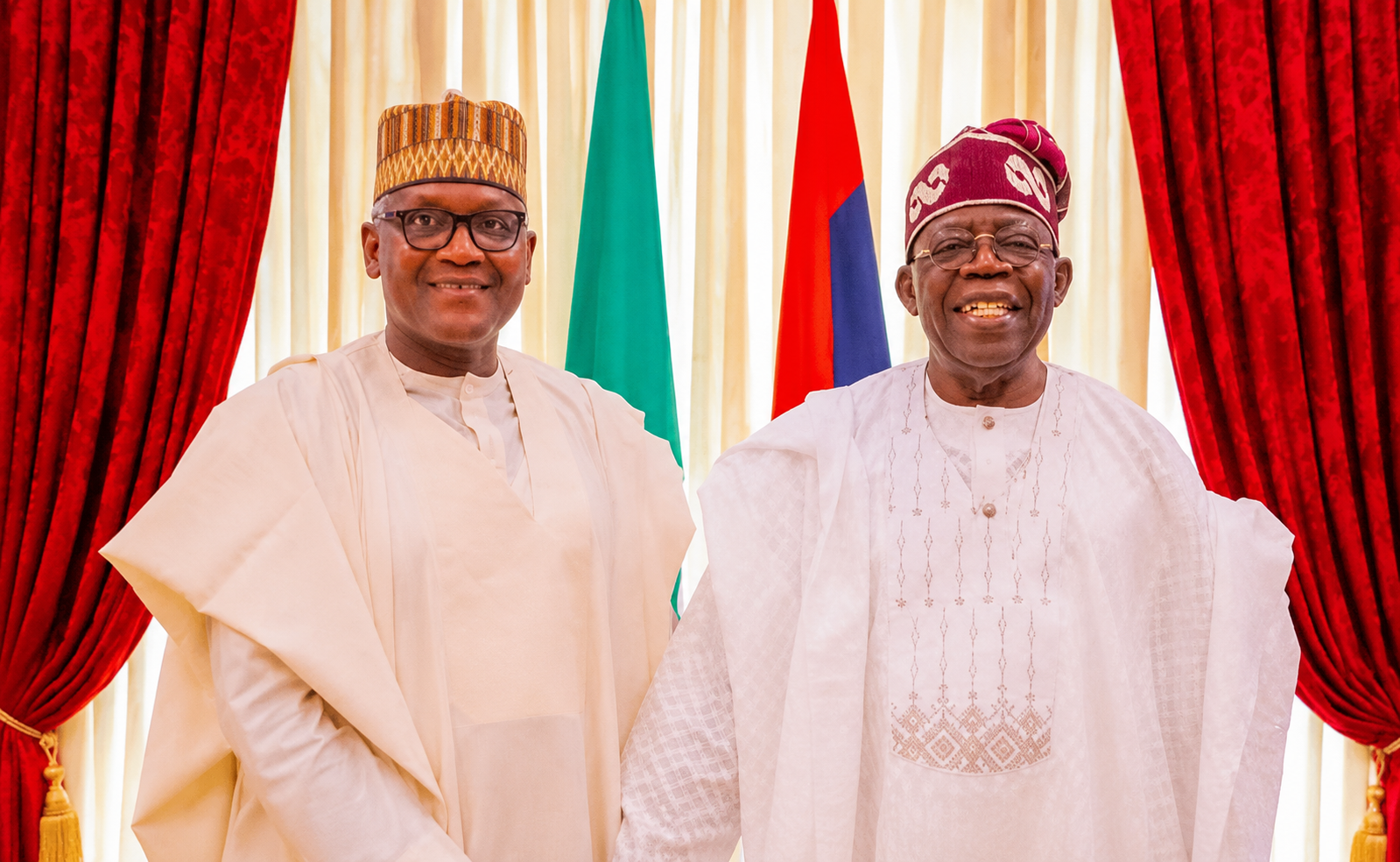
On the recent oil and gas reforms in Nigeria, Karim described President Bola Tinubu’s executive order as a “game changer.” He explained that the policy, which raised the spending threshold for operators from $2 million to $10 million, will unlock investment and accelerate infrastructure upgrades. “Before the order, operators could only spend $2 million, not even enough to buy a compressor. The new limit allows companies to upgrade infrastructure and boost production,” he said.
Karim noted that many of Nigeria’s oil facilities are outdated, with some equipment dating back to the 1970s. “You can’t run a modern oil industry with 50-year-old equipment. This order is helping us invest, expand, and increase daily production,” he added.
While Nigeria currently produces around 1.7 million barrels per day, Karim believes the country must set more ambitious targets. “The focus shouldn’t be 3 million barrels by 2030, it should be 5 million. America and Saudi Arabia are increasing production, we must do the same,” he asserted.
Turning to gas policy, Karim highlighted Nigeria’s vast gas reserves estimated at over 210 trillion cubic feet as a strategic asset that must be fully developed. “We’re still on just seven LNG trains, while countries with smaller reserves are on 15 or 20,” he said. “We need to expand gas production, processing, and transportation. CNG is a great initiative, but it must be supported with proper infrastructure, storage, and safe distribution.”
On energy transition, he cautioned against adopting the same benchmarks as industrialized nations. “Africa contributes less than 3 percent of global emissions. Why should we be benchmarked at the same level as countries on their fourth industrial revolution when we haven’t completed our first?” he asked.
Karim argued that Africa’s pathway to sustainability must be pragmatic. “We have the potential for clean energy through hydro and solar power, combined with abundant gas reserves. With a young, dynamic population, Africa can build a structured, sustainable energy value chain that supports growth without sacrificing development,” he said.
Through his remarks, Kola Karim reinforced a recurring theme that progress depends not just on vision, but on execution, responsibility, and leadership rooted in service. His message to governments and the private sector was clear: “Development doesn’t happen by chance; it happens when plans are executed with discipline, integrity, and purpose.”