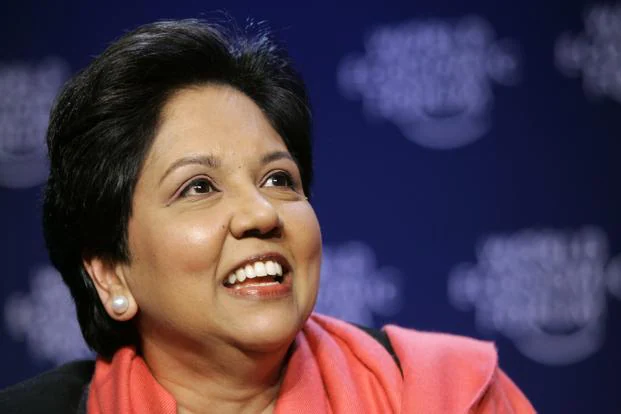
Indra Nooyi’s leadership journey is a rare combination of intellect, empathy, and relentless curiosity. From her early days in Chennai, India, to leading PepsiCo as CEO and now serving on the board of Amazon, she has consistently embodied what it means to be a purpose-driven leader. Her story is not just about corporate success; it is about shaping organizations and people for the long term, guided by the principle of being a “learn-it-all” rather than a “know-it-all.”
Her career trajectory spans transformational roles at Motorola, PepsiCo, and now Amazon. At PepsiCo, she navigated complex global markets, reshaped company culture, and championed initiatives that married financial success with social purpose. Yet, even while achieving unprecedented business milestones, Indra remained deeply curious, asking questions about leadership, social structures, workforce dynamics, and how to create opportunities beyond the numbers.
Dixie Adams, former managing partner at IBM and fellow at the University of Chicago Leadership and Society Initiative, spoke about the influence Indra has had on her own leadership philosophy. Dixie highlighted Indra’s focus on employee well-being, flexible work policies, and sustainable product innovation, as well as her personal touch, like sending handwritten letters to employees’ parents, expressing gratitude for raising individuals who contribute meaningfully to the organization. Such gestures underscore Indra’s belief that leadership extends beyond corporate strategy and touches lives.
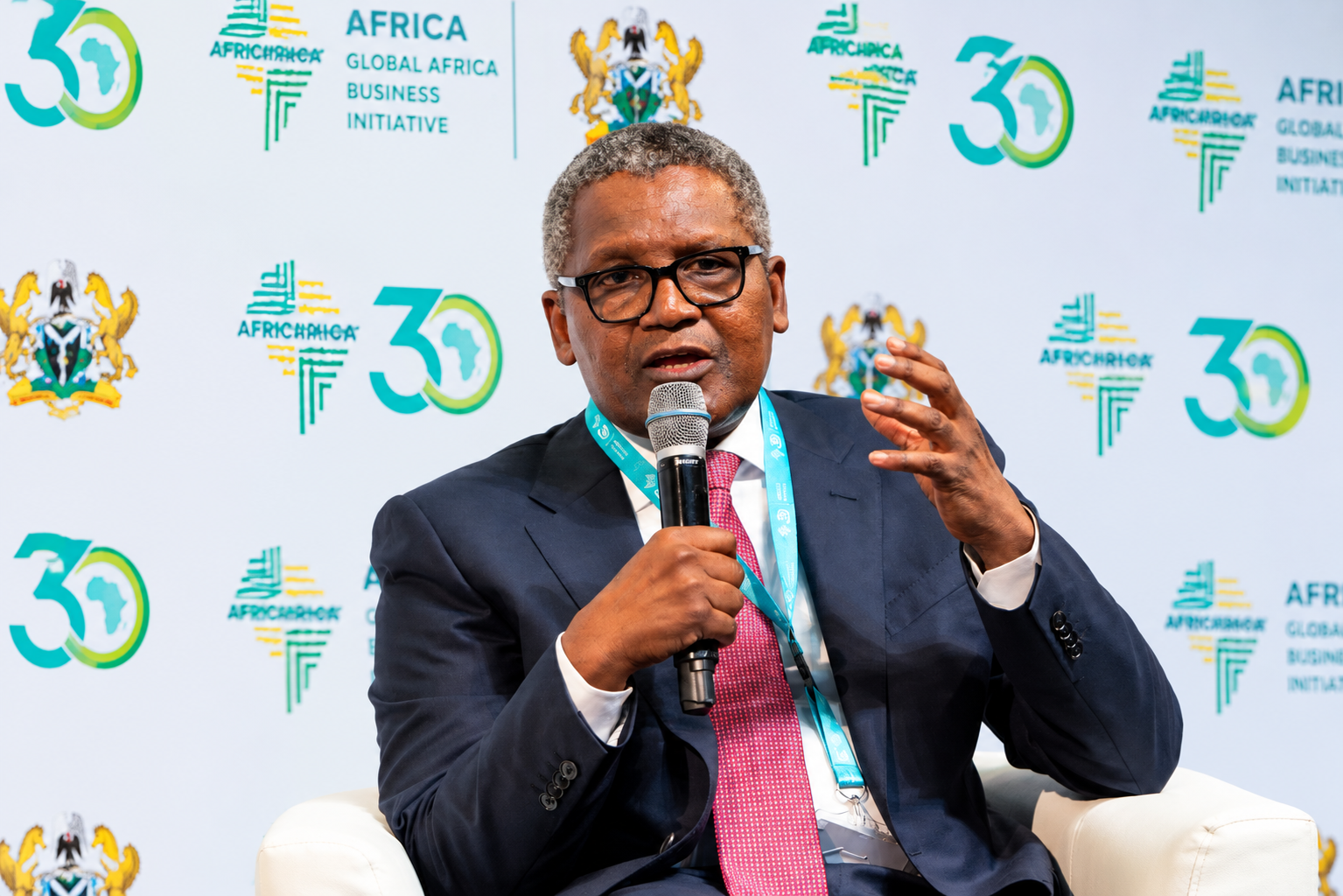
During a recent discussion moderated by Tyler Mat, Indra shared anecdotes that reveal her distinctive approach to leadership. One memorable story involved preparing for a speech at a bowling convention, despite never having bowled. Rather than wing it, she immersed herself in the world of bowling, visiting alleys, talking to players, understanding pain points, and learning the business. By the time she took the stage, she was recognized as an expert not to impress but to understand and create value. Indra explained that good leaders micro-understand, not micromanage. Knowledge at every level allows leaders to make meaningful decisions that positively impact the business.
For Indra, excellence is more than short-term success; it is the cultivation of sustainable value over time. Drawing inspiration from Tennyson’s poem The Brook, “For men may come and men may go, but I go on forever,” she sees corporations as enduring entities, strengthened by leaders who invest in people, processes, and strategy rather than chasing fleeting wins.
Her roots shaped this ethos. Growing up in a multigenerational household in Chennai, she was guided by her paternal grandfather, a judge and exacting mentor. He instilled high standards, telling her family, “If you can do it well, don’t do it at all.” Excellence was expected, not optional. Reading and learning were rigorous. Every missed word or misunderstood passage required review. Her parents reinforced this discipline, setting consequences and rewards tied to academic performance. These early lessons shaped her lifelong approach to leadership, balancing high expectations with mentorship and support.
Indra’s move to the United States at 18 was both bold and unconventional. After graduating from Madras Christian College, she earned admission to the newly opened Yale School of Management. Financial constraints and cultural isolation made her early years in the U.S. challenging, but persistence, hard work, and the credibility she earned through internships at Booz Allen and placement at BCG set the stage for her global career.
Mentorship played a defining role in her early professional life. At Motorola, she benefited from rigorous guidance that shaped her standards of excellence. Later at PepsiCo, she learned every facet of the business, from joint ventures and operations to international partnerships. Her deep engagement with the company’s workings made her eventual appointment as CEO a natural choice, despite her unconventional background as a woman of color in a male-dominated corporate environment.
Being a woman of color in such spaces meant heightened scrutiny and pressure to overperform. Indra recalls that early in her career, women had to be at least twice as good as men to be considered for leadership roles. But she turned these challenges into opportunities, relying on knowledge, integrity, and persistence. Her tenure at PepsiCo was transformative. The company grew its 22 billion-dollar brands, diversified beyond traditional sugary drinks, and implemented the Performance with Purpose initiative, redefining the way a global company integrates mission with profitability.
Excellence, Indra notes, is not bound by numbers or quarterly metrics. It is embedded in people, culture, and the mission of an organization. Hiring the right talent, fostering innovation, and aligning strategy with purpose create long-term value. Initiatives like ESG succeed when they drive business impact rather than just fulfilling a checklist. Likewise, AI and emerging technologies are tools, but human judgment, empathy, and perspective remain irreplaceable.
Even in retirement, Indra’s influence continues. She teaches at military academies, advises nonprofits, and serves on corporate boards, including Amazon and Philips. Yet, she balances her professional life with family, cherishing time with her daughter and granddaughter, emphasizing that excellence is also about nurturing the next generation.
Her leadership philosophy boils down to three key principles: insatiable curiosity, deep engagement with every level of the organization, and unwavering integrity. These traits allowed her to redefine what is possible in corporate leadership, proving that excellence is not accidental. It is cultivated, practiced, and sustained over a lifetime.
Indra Nooyi’s journey is a testament to the power of purpose-driven leadership. It reminds us that extraordinary leaders are not just measured by profits or positions, but by the lasting impact they have on organizations, people, and society. Her story inspires a new generation of leaders to pursue excellence relentlessly, lead with empathy, and always ask, “How can I do better?”