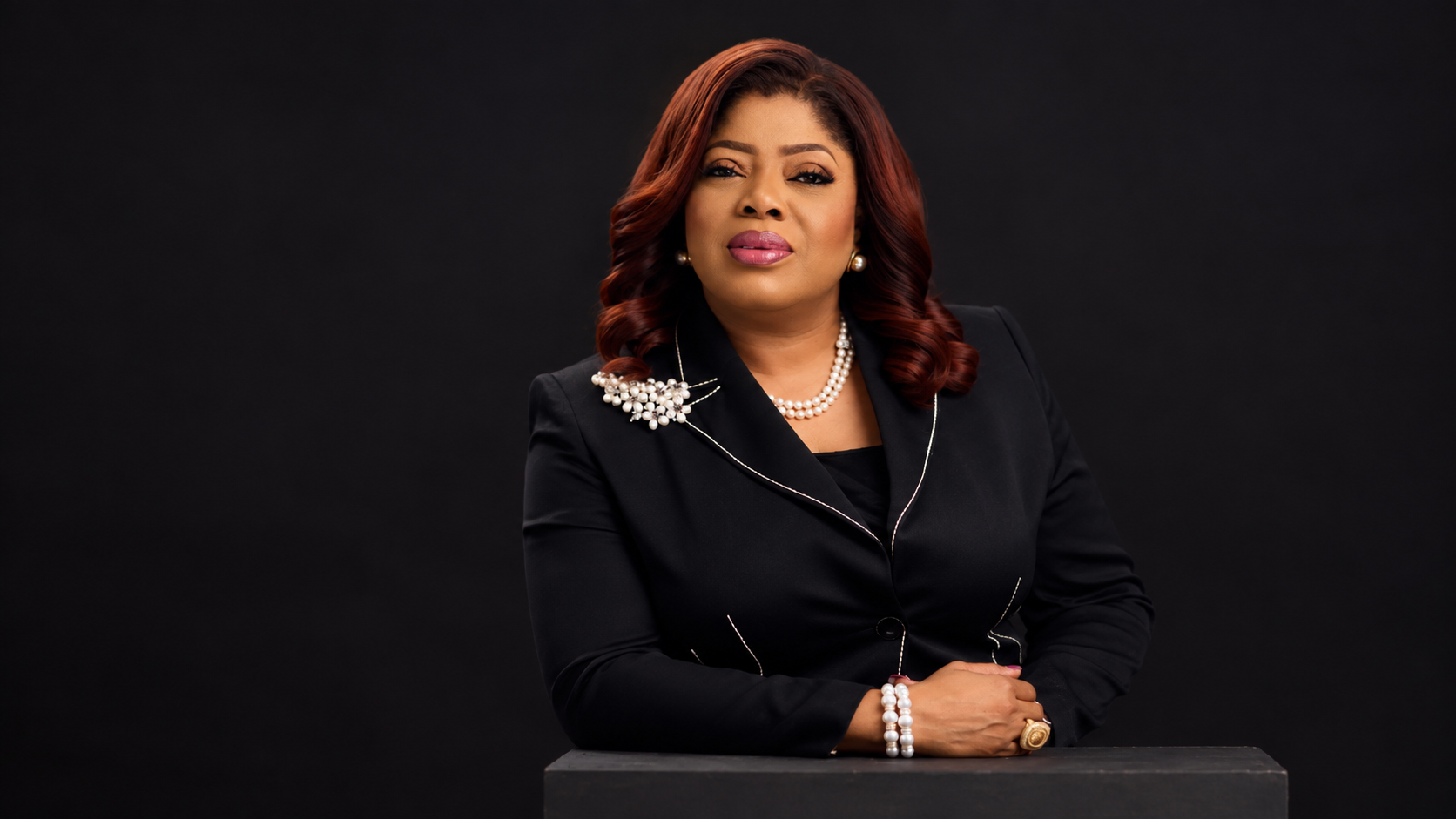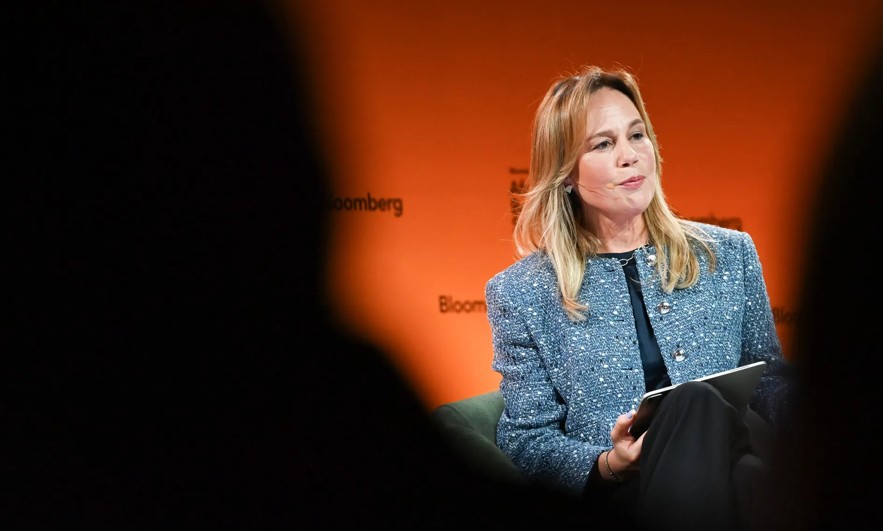
Chief Executive Officer, Rand Merchant Bank (RMB), Emrie Brown has said Africa is entering a decade that would determine its global influence, insisting that the continent needed courage, collaboration, and new thinking to unlock its full potential. In a wide-ranging conversation, Brown reflected on her nonlinear career, Africa’s shifting economic environment, and the future of banking on a continent she described as “resilient and ready.”
Brown, who had spent more than twenty years at RMB, explained that her path to leadership did not follow the traditional ladder narrative. “Most people talk about a career ladder,” she said. “I preferred to think of it as a jungle gym. My choices were driven by curiosity and a desire to learn. That’s what shaped my leadership.”
Her journey included multiple moves within the bank, a seven-year posting in Cape Town, and a turning point in 2010 when she briefly left the industry to focus on starting a family. “When I started in the late nineties, I was the only woman in my team. I didn’t see mothers in client-facing roles, so I stepped back. Six months later, I realised I missed the industry and the impact we had on clients’ worlds.”
She said that experience strengthened her mission to inspire young women in the industry. “You can be an investment banker, have a client-facing role, and be a mother. The adventure is still continuing.”
YOU CAN ALSO READ: ‘Football Unites the World’ Inside Gianni Infantino’s Vision for the Global Game
Brown noted that Africa was experiencing what RMB had described as a “crossroads moment,” a central theme of its research publication, Continent at the Crossroads: Africa’s Role in the World Today and Looking Into the Future. She explained that political shifts, declining aid, and redirected global capital had reshaped the continent’s economic environment, but not its potential. “Africa was redefining its growth trajectory,” she said. “By 2030, agriculture was projected to be a $1 trillion sector. By 2029, Africa would have about 1.1 billion internet users—the fastest-growing online population in the world.”
She pointed to renewed global interest in Africa as evidence of rising confidence. “Look at JPMorgan opening a representative office in Kenya. International banks that weren’t here before were coming in. That said something,” she remarked.
Within South Africa, Brown highlighted signs of stabilisation, including the recent S&P upgrade—the country’s first in twenty years—and the removal of both South Africa and Nigeria from the FATF grey list. “Growth wasn’t where we wanted it to be yet, but low inflation and low interest rates were creating a more attractive environment. Sentiment was turning,” she added.
While acknowledging governance challenges across the continent, Brown said Africa had consistently demonstrated resilience. “Ghana, Nigeria—many countries had gone through tough times but taken bold steps. Resilience was built into this continent,” she said.
She added that RMB viewed itself as a long-term partner in all markets where it operated. “Once we entered a country, we saw ourselves as part of that environment. Sovereigns needed financial institutions for development. We worked with governments to understand where we could support.”
On the rise of fintechs, Brown said the industry needed to embrace both competition and collaboration. “Fintechs were nimble in ways large banks couldn’t always be. But they were also partners,” she said, noting that partnerships had become crucial, especially in transactional banking. She praised the recent Optus listing on the Johannesburg Stock Exchange as an example of the potential within African fintechs.
Brown also expressed admiration for JPMorgan’s evolution. “Jamie Dimon was my banking hero,” she said. “Their journey—from investment banking to corporate banking to fintech partnerships, was the kind of thinking banks needed.”
YOU CAN ALSO READ: ‘Leadership Is Not for Rascals’: Goodluck Jonathan Reflects on Future of Governance in Africa
Looking ahead, Brown predicted a banking landscape defined by deeper capital flows, stronger partnerships, and greater agility. “We were going to see more foreign direct investment, more collaboration, and more innovation,” she said. “Our job was to facilitate capital and trade flows across countries and into the continent. That was where transformative growth happened.”
Brown remained optimistic about the future of South Africa and the continent. “No country was perfect,” she said. “What mattered was the partnership between the public and private sectors. We were seeing that shift, and it gave me confidence.”
She concluded that Africa was standing at a historic turning point, and that its next chapter would be shaped by bold leadership and intentional decisions. “Africa’s growth story was still unfolding,” she said. “And this was our moment to shape the future.”