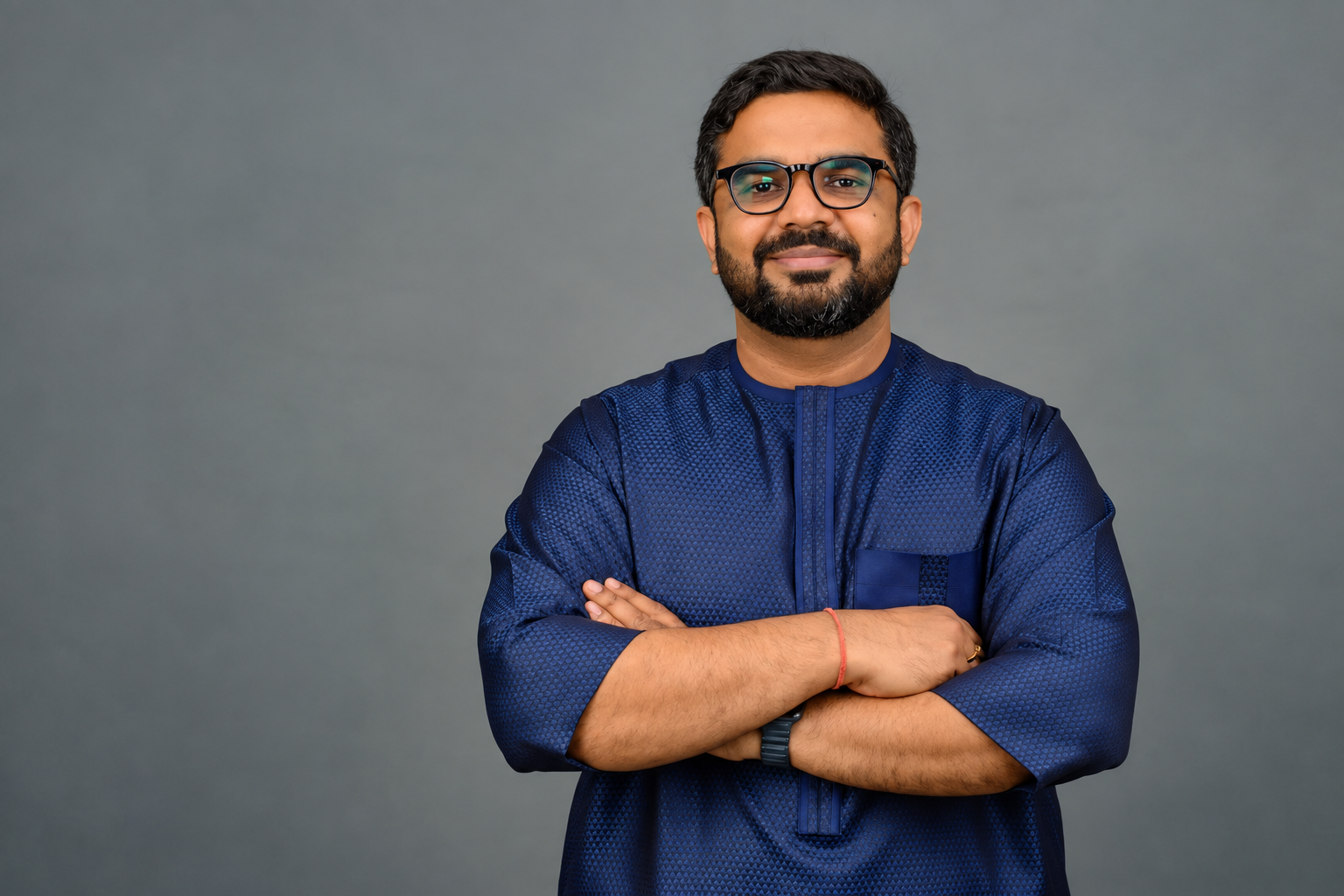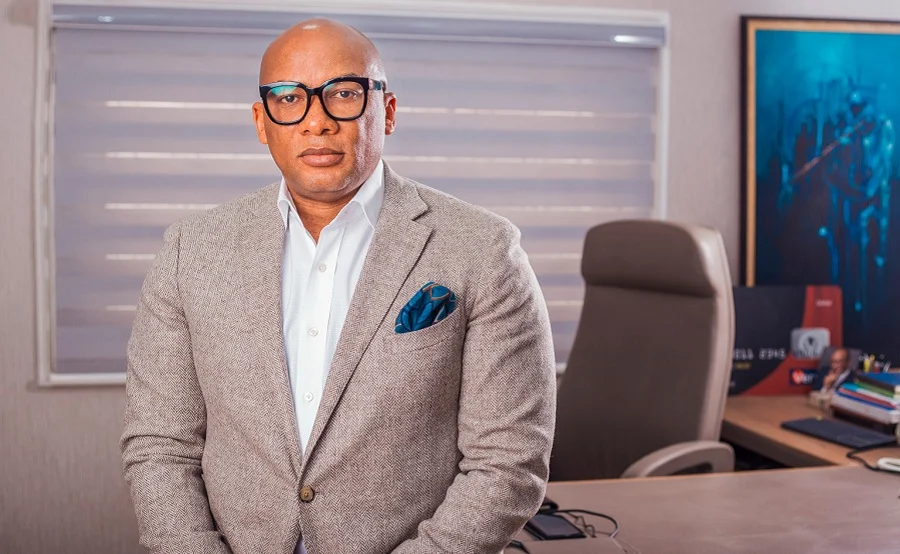
In the early 2000s, when cash dominated Nigerian life and long queues in banking halls swallowed entire afternoons, one man was already imagining a different Africa. He saw a continent where money moved with the speed of thought, where technology connected people across borders, and where millions could participate in a digital economy previously out of reach. That man was Mitchell Elegbe, the Founder and Group Managing Director of Interswitch, now widely regarded as one of the most influential forces in Africa’s financial transformation.
Elegbe’s journey into leadership began long before technology entered the picture. His childhood, shaped by the early loss of his parents and the firm yet compassionate guidance of his uncle, instilled in him a deep understanding of responsibility, discipline, and integrity. He often says he is a product of the generosity of others, a truth that continues to shape the culture of Interswitch. His uncle’s simple but profound teaching, “Money is important, but never at the expense of a good name,” remains a guiding philosophy for his personal and professional life.
YOU CAN ALSO READ: Organizations Must Integrate AI Carefully Without Leaving Employees Behind, Says Charlie Scharf
Elegbe’s leadership style is unusually intuitive, fresh, and disarmingly honest. He readily admits he is not the most technical person in the room, nor does he try to be. By the time a candidate meets him, he assumes their technical competence is proven. What he seeks instead is something that cannot be written on a résumé. He probes for authenticity, resilience, humility, curiosity, and the ability to think clearly under unexpected pressure. His adaptive method of engaging several people at once, shifting the flow of a conversation, or posing an unforeseen scenario has become a signature. He is not interested in rehearsed brilliance. He is interested in the person behind the answers.
Why? Because Elegbe believes leadership is not about control. It is about inspiring people to willingly and joyfully commit their best effort to a mission larger than themselves. This is why his interviews are less about ticking boxes and more about unveiling character.
His vision for Interswitch was born from a deep reflection on Africa’s position in the global landscape. He often references the well-known satellite image of the continent at night, where vast stretches of Africa appear dark, while Europe, Asia, and North America glow with light. Many interpret this image as a sign of underdevelopment. Elegbe sees it differently. To him, it is a reminder of Africa’s long history of natural comfort, abundant sunlight, fertile land, and favorable weather. He believes these blessings, rather than empowering innovation, may have slowed the urgency to create. For him, the darkness on that map is not evidence of failure but of untapped potential and the long-standing absence of competitive necessity.
As the world became more interconnected, Elegbe recognized that Africa could no longer rely on natural advantages. Innovation had become a global currency, and Africa needed to participate boldly.
Before Interswitch, Nigeria struggled to move value efficiently. Payments were manual, insecure, and painfully slow. People carried cash because it was the only reliable option. The banking system lacked connection. Everyday transactions were unpredictable and frustrating. For an economy to grow, value must move freely, and Nigeria lacked the infrastructure to make that possible.
One personal experience made the problem deeply real for Elegbe. During his time in Scotland, an ATM swallowed his card and left him stranded. The embarrassment and helplessness of that moment sparked a question that would change the continent. Why could technology fail so easily, and more importantly, why could Africans not build a system that worked for them This frustration evolved into a mission.
When Elegbe returned to Nigeria, he committed himself to understanding and conquering the technology that had embarrassed him. What followed was an idea that would become one of the most important technological advancements in Africa’s modern economic history. He envisioned a system where value moved instantly, securely, and seamlessly across banks, regions, and channels. He believed a person’s money should follow them anywhere, at any time, without the restrictions of geography or bank identity.
This vision gave birth to the infrastructure that powers most digital payments in Nigeria today. Elegbe led the creation of an online, real-time payment switch, a backbone that made ATM interoperability possible and later enabled mobile banking, POS transactions, online payments, and the fintech boom that has positioned Nigeria as Africa’s innovation engine.
YOU CAN ALSO READ: From Boardroom to Bedside: Audrey Joe-Ezigbo’s Journey Through Cancer, Faith, and Triumph
Under his guidance, Interswitch grew from a daring idea into a continental powerhouse, attracting global recognition, industry awards, and strategic partnerships. Elegbe has been celebrated internationally, including being named EY Entrepreneur of the Year. Yet he remains anchored in humility. His leadership continues to reflect the same principles he learned as a child, including discipline, transparency, and service to others.
Elegbe often says that Africa’s biggest problems are simply opportunities waiting for bold thinkers. He believes that solving big challenges is the most rewarding path to impact. His life’s work is proof of that philosophy. Today, as digital payments reshape how Africa’s citizens and businesses operate, Mitchell Elegbe stands as a symbol of purposeful leadership, ethical innovation, and transformative vision.
From a continent once depicted as dark on a satellite map, his work helped ignite a new source of light, the quiet but powerful glow of digital possibility spreading across Africa.