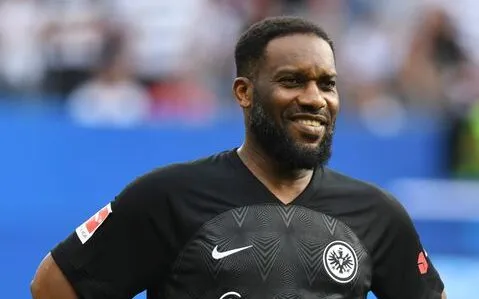
Few footballers embody creativity and joy quite like Austin “Jay-Jay” Okocha. Long after his playing days, the Nigerian icon remains a powerful voice in global football culture. In an exclusive conversation with Clutch N, Okocha reflects on his latest collaboration with Nike, the state of African football, and why flair must never be sacrificed at the altar of rigid tactics.
The interview, conducted by Scarlett Douglas, comes on the back of Nike’s new campaign, Show Them, which places Okocha at the centre of a renewed push to celebrate skill, imagination, and expressive football. The campaign also introduces him under a fitting new title: Chief Flair Officer.
YOU CAN ALSO READ: Why Goldman Sachs’ 2025 M&A Record Should Matter to African Businesses
According to Okocha, the idea was born during a meeting with Nike’s Africa leadership, who wanted to reignite football’s expressive spirit through someone who symbolises flair. “They wanted a campaign that brings flair back into the game,” he said. “I loved the idea, and the rest is history.”
Shot over two intense days in Nigeria under demanding conditions, the advert reflects both the heat and the passion that define African football. Okocha credits the commitment of everyone involved for the campaign’s success, describing the experience as demanding but deeply rewarding.
Beyond the visuals, Show Them delivers a message Okocha has championed throughout his career: football should never lose its soul. While acknowledging the professional demands of the modern game, he insists that enjoyment and identity remain essential. “Football is serious business, but it’s also a game meant to be enjoyed,” he said. “We must not lose our culture.”
His new role as Chief Flair Officer goes beyond branding. For Okocha, it is about shaping mindset, especially among young players. He believes love for the game must come before tactics and systems. “That love is what drives creativity,” he explained. “Tactics can be learned later, but flair must be developed early.”
Okocha expressed concern about the increasing pressure on young players to play safe football. While acknowledging that modern coaches are driven by results, he argues that African footballers possess a natural ability that must be nurtured, not suppressed. “We are born with this gift,” he said. “If we lose it, we lose something special.”
Reflecting on his club career, Okocha agreed with former Bolton manager Sam Allardyce’s view that he may not have been fully appreciated in England because he did not play for a traditional powerhouse. Still, he believes his time at Bolton helped change the club’s mentality and competitiveness. He also described Allardyce as passionate rather than difficult, noting that commitment mattered more than reputation.
He spoke warmly about former teammate Mikel Arteta, recalling his confidence and leadership even at 18. Okocha said Arteta’s rise as a top manager did not surprise him, praising his work at Arsenal and expressing belief that the club could finally reclaim the Premier League title.
Known for his fearless style, Okocha dismissed the idea of intimidating opponents. “When I had the ball, I decided what happened,” he said, explaining that confidence was key to his success. In an era where players are often affected by criticism and social media pressure, he urged footballers to focus on their strengths and identity rather than public opinion.
Asked about leagues and fan cultures, Okocha described the Premier League as the most physically demanding, while singling out Turkish fans as the most intense. He also touched on Nigeria’s AFCON campaign, stressing belief, discipline, and focus as essential ingredients for success.
However, he did not shy away from addressing the administrative challenges that continue to plague African football, particularly unpaid player bonuses. “Bonuses are earned, not gifts,” he said, describing the issue as a painful contradiction to players’ commitment on the pitch.
On recent public disagreements among Nigerian players, Okocha emphasized respect and unity, noting that criticism should remain internal and no individual should place themselves above the team.
YOU CAN ALSO READ: ‘No Need to Panic Over New Tax Laws,’ KPMG’s Adewale Ajayi Reassures Nigerians
Despite his deep love for the game, Okocha made it clear that football management is not in his future. Valuing his private life, he sees his current role as a more fitting way to give back. For now, he is content to remain football’s Chief Flair Officer, championing creativity, confidence, and the joy that made him a legend.
As football continues to evolve, Okocha’s message is clear: progress should not come at the expense of identity. Flair, he insists, is not a luxury, it is football’s heartbeat.