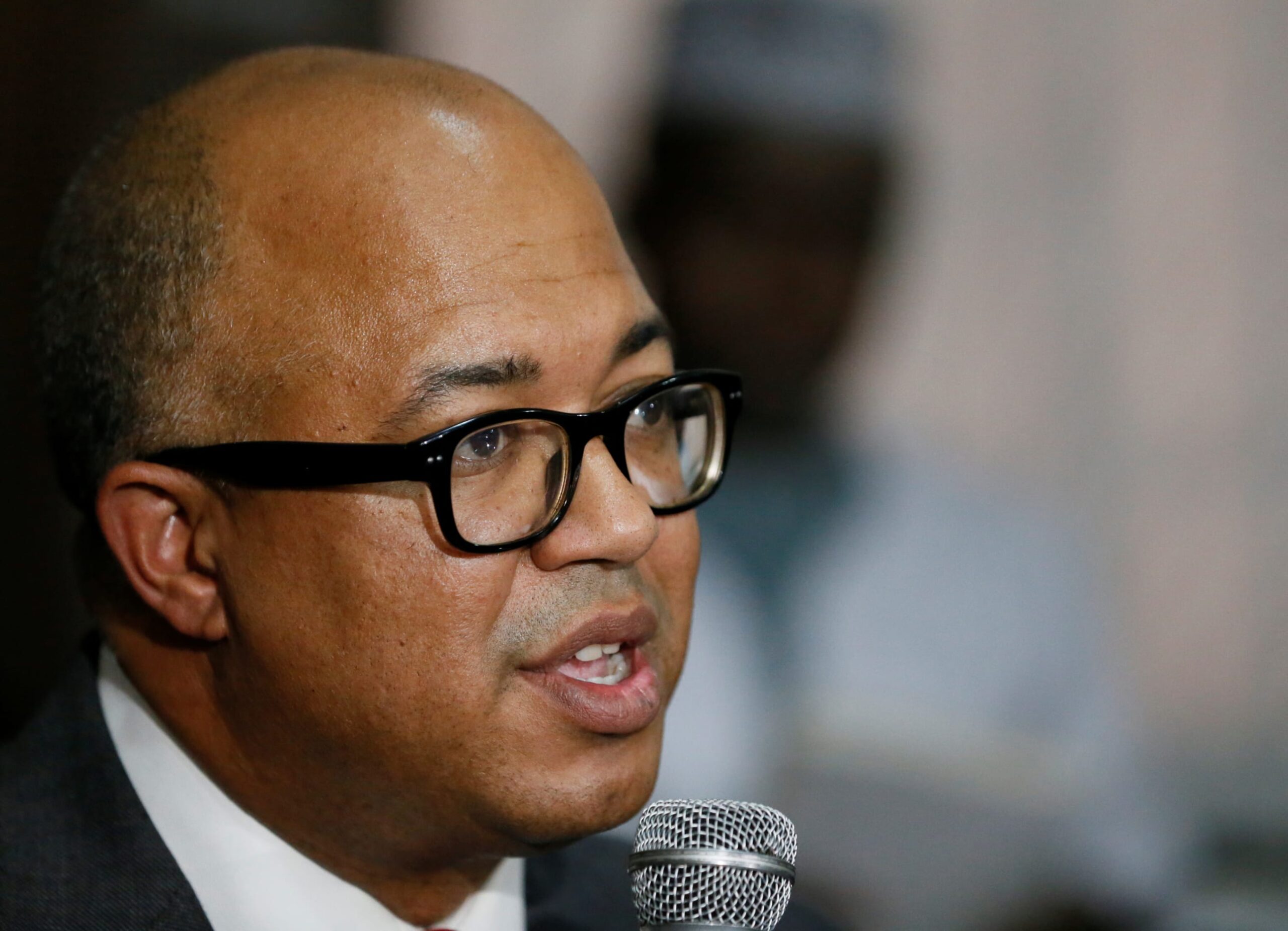
When Chikwe Ihekweazu walked into the Nigeria Centre for Disease Control in 2016, the agency was a small, fragmented institution with 78 staff, outdated systems, and little public visibility. Expectations from government were unclear, internal motivation was low, and the infrastructure to respond to outbreaks was weak. Yet within months, Ihekweazu began a quiet revolution, building not just an institution but a culture of professionalism, accountability, and public service.
Trained as a physician with aspirations of becoming a surgeon, Ihekweazu’s path into public health was unplanned. “Circumstance brought me here, but I stayed because I found a field where complexity meets purpose,” he reflects. Early in his tenure, he mobilized international networks, recruited young talent, and introduced basic yet transformative systems like professional emails, functional websites, and strategic operational frameworks. These steps laid the foundation for NCDC’s rapid evolution.
Under his leadership, NCDC successfully managed outbreaks of Lassa fever, yellow fever, meningitis, and cholera, culminating in the unprecedented challenge of COVID-19. Ihekweazu emphasizes that Nigeria’s federal structure and political dynamics often complicated response efforts. “Governance can amplify or undermine public health. Even the best science requires coordination, trust, and clear lines of authority,” he notes. His candid reflection underscores the interplay of policy, politics, and science in managing crises.
YOU CAN ALSO READ: 5 Things I Wish I Knew Before Starting a Business – Sooyah Bistro’s CEO
Beyond technical management, Ihekweazu believes in empowering people. He invested in staff development, fair compensation, and clear mandates to ensure the agency could operate efficiently and sustainably. “If your people can’t perform because of structural or resource constraints, no policy or plan can succeed,” he says.
Ihekweazu’s work at NCDC prepared Nigeria to respond to global scrutiny during COVID-19, proving that strong institutions can save lives and protect economies. His experience shaped his approach at the World Health Organization, where he now leads the Health Emergencies Programme, coordinating preparedness and response across headquarters, regions, and country offices worldwide.
His perspective extends beyond crisis response. Ihekweazu advocates for long-term investment in science, research, and education in Africa, noting that global inequalities in resources must be met with domestic commitment to building capacity. “We cannot wait for the world to adjust to our level. We must rise to meet global standards, build our expertise, and push ourselves forward,” he asserts.
YOU CAN ALSO READ: From Stability to Growth: Edun Outlines Nigeria’s Economic Direction for 2026
Co-authoring Old and Imperfect Stock with his wife Vivian, Ihekweazu captures the untold story of Nigerians who quietly built systems to serve their country. “It’s a story of ordinary people rising to extraordinary challenges,” he explains. The book highlights how resilience, vision, and strategic leadership can transform institutions and create lasting societal impact.
Ihekweazu’s career is a testament to disciplined leadership under pressure. From an under-resourced agency in Abuja to leading WHO’s global health emergency operations, he has reshaped public health institutions, strengthened epidemic preparedness, and inspired a generation of health professionals in Africa and beyond. His journey reflects the power of purpose-driven leadership, the ability to turn adversity into opportunity, and vision into tangible outcomes.