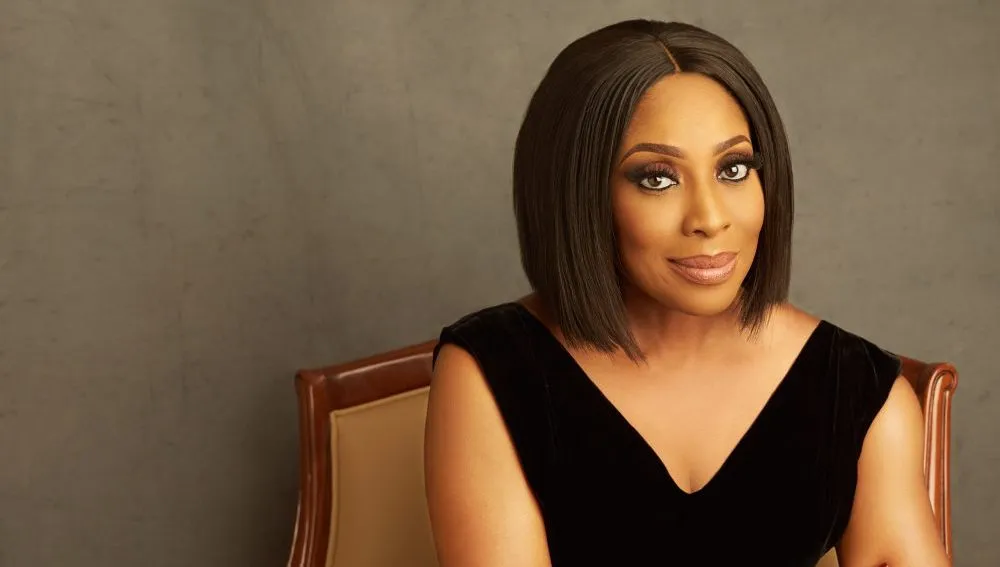
Nigerian media mogul and philanthropist, Mo Abudu, has long stood at the intersection of storytelling, enterprise, and cultural influence. From redefining African television to positioning Nigerian stories on the global stage, her journey reflects not just personal ambition but a deliberate effort to reshape how Africa is seen, heard, and valued.
Often referred to as Africa’s Oprah, Abudu’s influence extends far beyond broadcasting. She is the founder of EbonyLife Media, a pan African media company that has evolved into one of the continent’s most ambitious creative ecosystems, spanning film, television, cinemas, training, streaming, and infrastructure. Yet, her entry into the creative industry was anything but conventional.
YOU CAN ALSO READ: Bolaji Balogun Bets Big on Nigeria’s Creative Economy as the Next Growth Engine
Abudu came into media later in life, transitioning from a successful career in human resources into television just shy of her 40th birthday. What began as a talk show, Moments with Mo, quickly became a cultural touchstone, spotlighting African excellence, leadership, and lived experiences across the continent. The show’s success marked the start of a broader vision to create platforms where African stories are told by Africans, for both local and global audiences.
That vision expanded with the launch of EbonyLife Television, which introduced a slate of original programming that raised production standards and broadened the scope of Nigerian storytelling. But Abudu’s ambitions did not stop at television. Recognizing the commercial and cultural potential of film, she moved into cinema, producing box office hits such as Fifty and The Wedding Party, films that helped redefine Nollywood as both entertainment and business.
Her work gained global momentum through partnerships with international platforms, particularly Netflix, where EbonyLife became one of the earliest and most consistent African content producers. Titles such as Òlòtūré, Blood Sisters, A Sunday Affair, and Chief Daddy 2 introduced Nigerian narratives to global audiences while proving that African stories could travel, resonate, and generate returns.
Yet Abudu remains clear eyed about the limitations of global gatekeeping. Despite multiple development deals with international studios including Sony, AMC, BBC Studios, and Disney, she has spoken candidly about the structural barriers African creators face in getting projects greenlit. This reality has shaped her most ambitious strategy yet, building an end to end African creative ecosystem that does not rely solely on external validation.
That ecosystem now includes EbonyLife Creative Academy, which has trained thousands of young professionals, EbonyLife Cinemas and EbonyLife Place, which provide physical infrastructure for African storytelling, EbonyLife ON Plus, a subscription streaming platform, and the Afro Film Fund, designed to provide structured financing for African film projects with global distribution pathways.
YOU CAN ALSO READ: Through His Eyes: How Dayo Adedayo Documents a Nation
Beyond business, Abudu’s philanthropic impact is deeply embedded in her work. Her commitment to talent development, job creation, and long term industry sustainability reflects a broader mission to ensure that Africa’s creative economy feeds generations, builds wealth, and shapes identity.
At its core, Mo Abudu’s story is not just about media success. It is about ownership, agency, and the belief that Africa must build from within, creating systems that allow its stories, talent, and capital to thrive on their own terms.
As Nigeria’s creative economy continues to evolve, Abudu remains one of its most formidable architects, quietly proving that storytelling, when paired with strategy, can become both soft power and serious business.