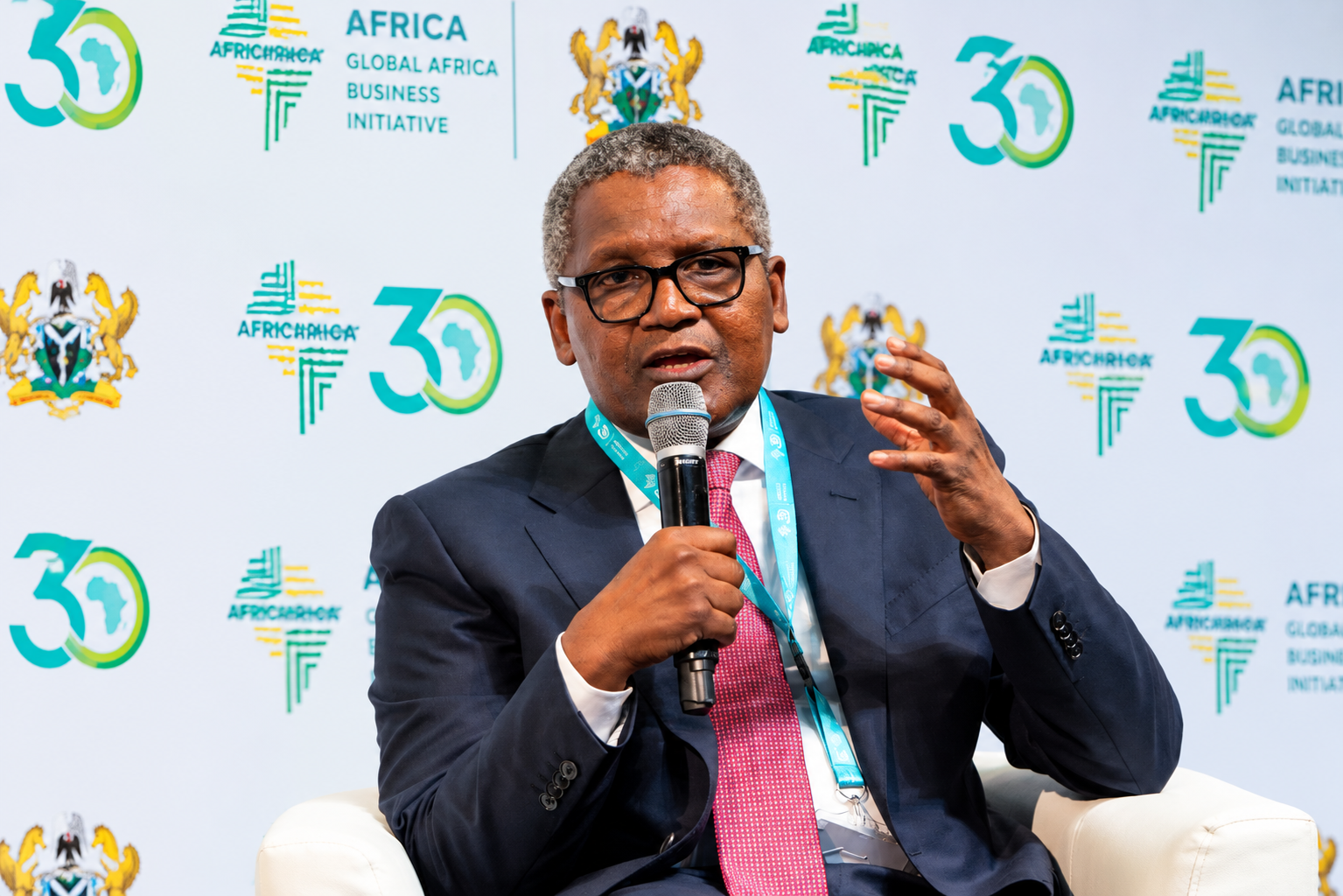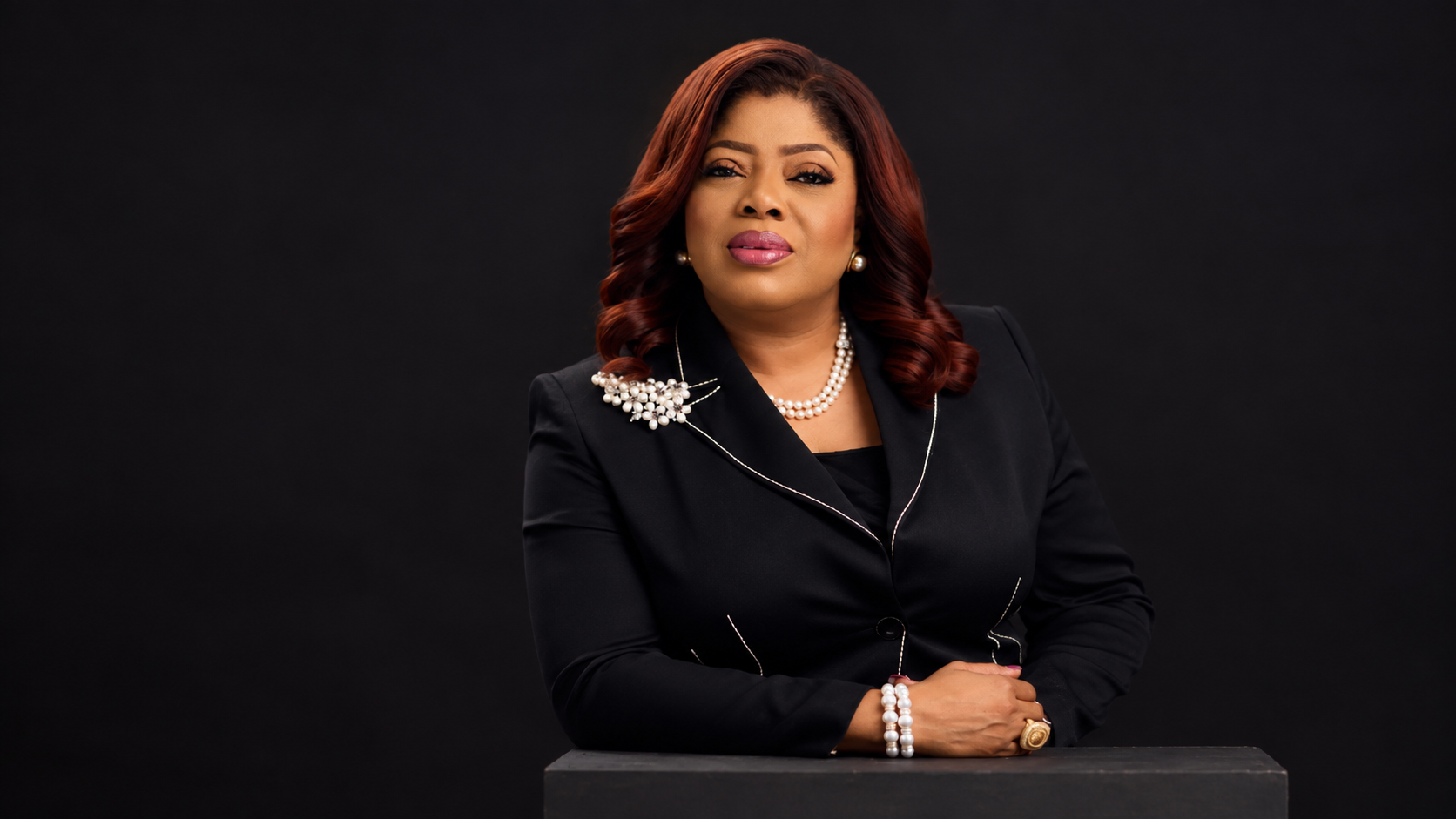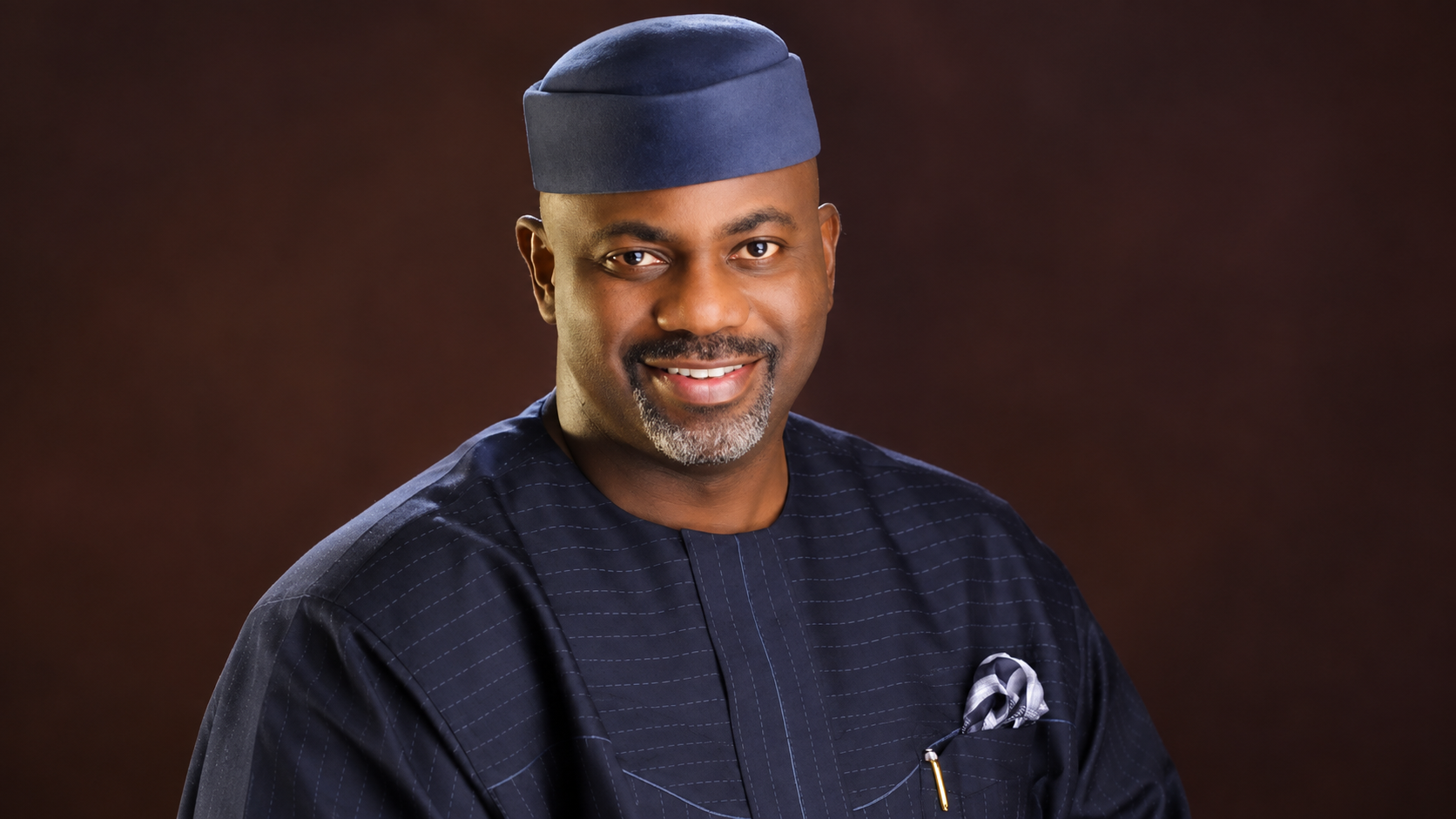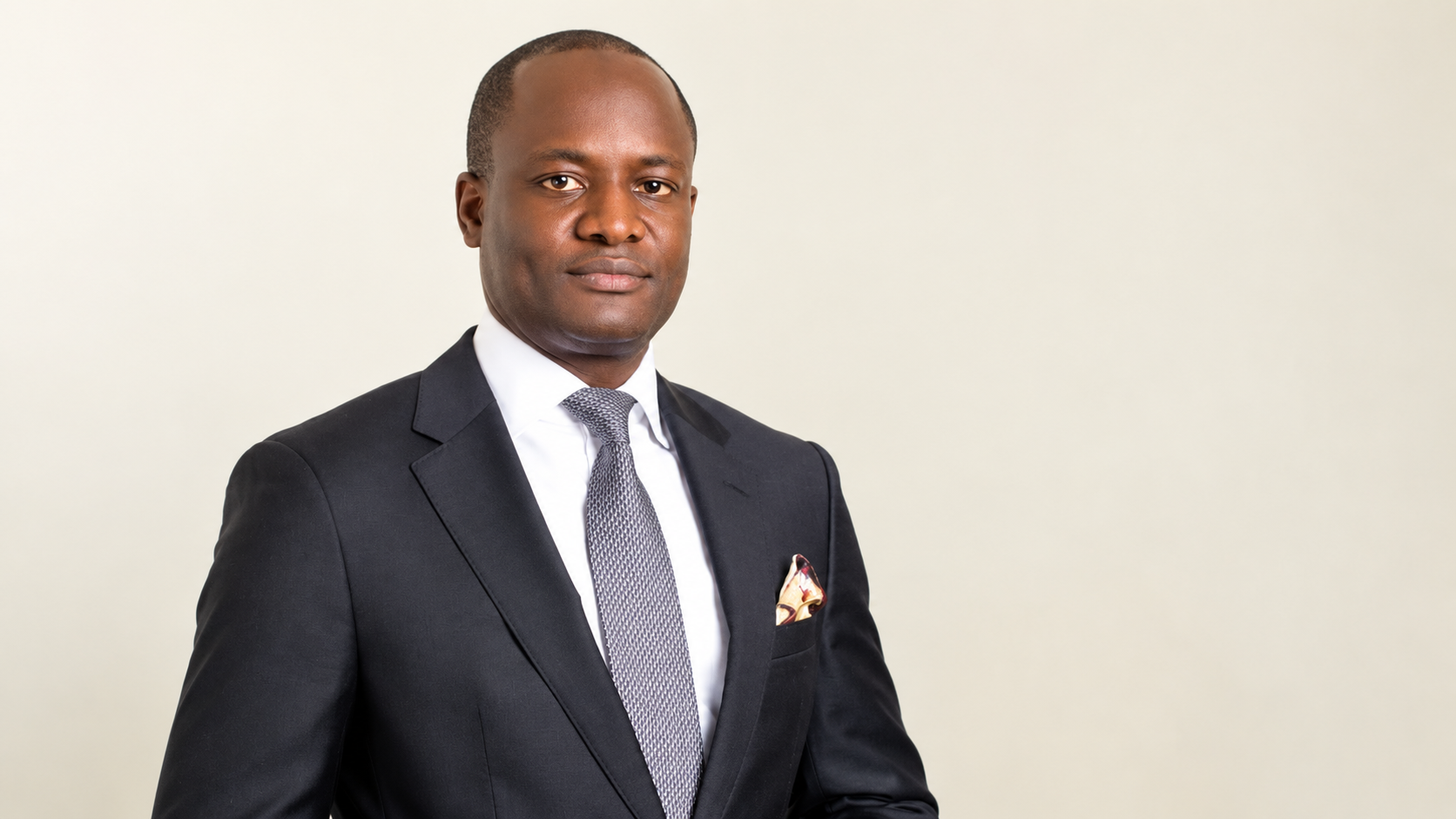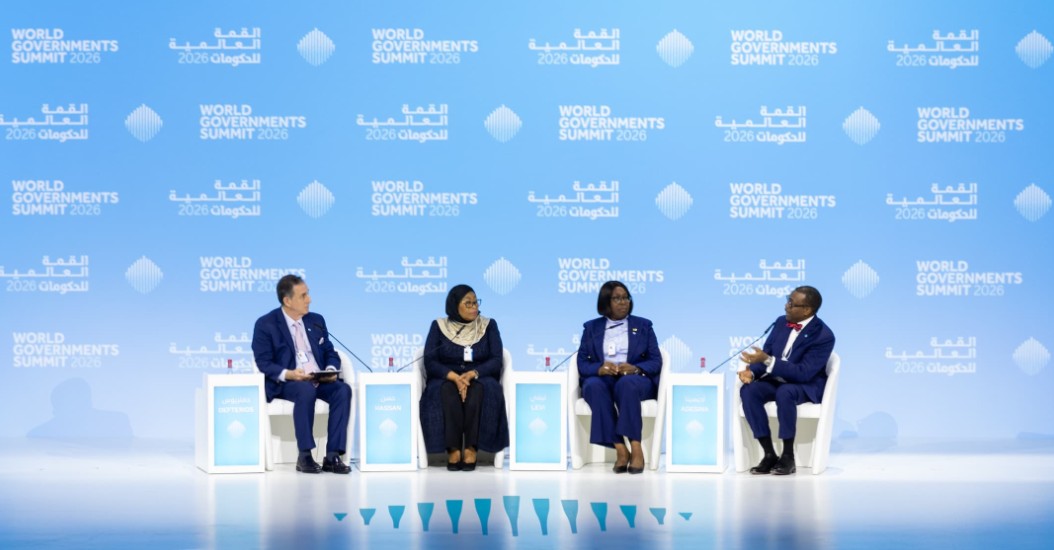
Africa’s investment future took centre stage at a high-level global forum as political leaders and financial experts gathered for a panel session titled “The Future of Investment: An African Perspective.” Moderated by veteran international journalist and geopolitical analyst John Defterios, Senior Advisor at APCO Worldwide at World Government Summit, Dubai. The discussion focused on why Africa is approaching a decisive investment inflection point and what must be done to unlock large-scale private capital.
Opening the session, Defterios framed the conversation against the backdrop of global debates dominating international policy circles, including democratic governance, China’s growing influence in Africa, youth unemployment, and migration pressures. While acknowledging the importance of these issues, he argued that they often overshadow a more fundamental reality.
YOU CAN ALSO READ: Stephanie Kadiri Challenges Professionals to Own Their Voice, Influence
Africa, he noted, is home to the world’s fastest-growing and most youthful population, vast natural resources, globally competitive tourism destinations, and a rapidly expanding digital economy. Yet, despite these strengths, the continent remains significantly under-invested. To illustrate the imbalance, Defterios cited global investment figures, noting that of the $1.66 trillion in foreign direct investment recorded in 2025, Africa attracted only about $60 billion, representing roughly four to five percent of global flows. The central question, he said, is what will unlock investment at the scale Africa requires.
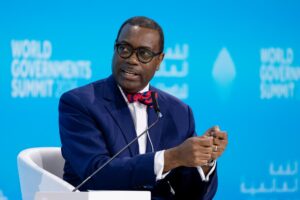
A key voice on the panel was Dr. Akinwumi Adesina, former President of the African Development Bank Group, who delivered a strong argument for repositioning Africa from an aid-dependent narrative to an investment-led future. Adesina dismissed the notion that aid could drive sustainable development, insisting that Africa must be viewed through the lens of returns and value creation.
He pointed to projections by the International Monetary Fund showing Africa growing at approximately four percent, making it the fastest-growing region globally, a position it is expected to maintain for the next four consecutive years. According to Adesina, this growth reflects structural momentum driven by improved macroeconomic stability, fiscal discipline, infrastructure investment, and productivity gains rather than short-term cycles.
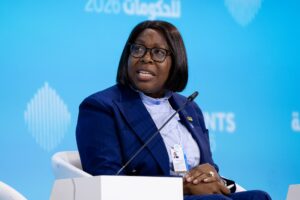
Adesina also highlighted Africa’s growing portfolio of successful enterprises and assets, referencing companies such as Dangote Group, Safaricom, MTN, and Jumia, which is listed on the New York Stock Exchange. He noted that African infrastructure and real assets have delivered low- to mid-teens returns over the past five years, largely uncorrelated with global public markets, making the continent increasingly attractive to global investors seeking diversification.
Perhaps most compelling was his emphasis on Africa’s mineral endowment, which he valued at approximately $6 trillion, spanning lithium, cobalt, manganese, chromium, rare earths, and other critical minerals. With such assets, Adesina argued, Africa should be attracting investment rather than aid, concluding that the continent represents one of the strongest sources of alpha in the global economy.
YOU CAN ALSO READ: Bayo Ojulari Leads NNPC into a New Era of Transparency and Growth
The discussion then shifted to country-level execution, with H.E. Dr. Samia Suluhu Hassan, President of the United Republic of Tanzania, outlining how deliberate reforms have translated into tangible investment outcomes. While Africa as a whole attracted $60 billion in foreign direct investment, Tanzania alone secured approximately $11 billion, placing it among the continent’s leading investment destinations.
President Hassan explained that Tanzania began by creating a more conducive business environment through reforms to policies, laws, and regulations, coupled with a strong emphasis on policy consistency and investor confidence. She highlighted the country’s heavy investment in infrastructure, particularly the construction of a 2,100-kilometre standard gauge railway connecting Tanzania to Burundi and eventually the Democratic Republic of Congo, designed to unlock regional trade and mineral corridors.
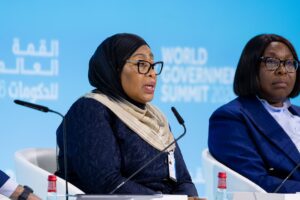
She also underscored Tanzania’s strategic geographic advantage, noting that the country borders eight nations and hosts multiple major ports along the Indian Ocean, as well as key inland ports on Lakes Victoria, Tanganyika, and Nyasa. These assets, she said, are being integrated through rail and road networks to support regional commerce.
Financing for these large-scale projects, President Hassan added, has come through partnerships with institutions such as the African Development Bank, the World Bank, and Gulf-based funds including the OPEC Fund and Abu Dhabi export financing agencies. The impact of these reforms has been significant, with registered foreign investment projects increasing from about 250 in 2018 to nearly 1,000 by 2024, while total investment volumes rose from $3.8 billion to nearly $12 billion.
YOU CAN ALSO READ: Bayo Ojulari Leads NNPC into a New Era of Transparency and Growth
Defterios also referenced Tanzania’s landmark $42 billion liquefied natural gas project involving ExxonMobil, Equinor, Shell, and regional partners, describing it as one of the largest energy investments currently under consideration on the continent.
Also contributing to the discussion was H.E. Maria Lévy, Prime Minister of Mozambique, who addressed the audience in Portuguese with live interpretation provided. Her participation reinforced the broader regional investment narrative, particularly in energy, infrastructure, and natural resource development across Southern and Eastern Africa.
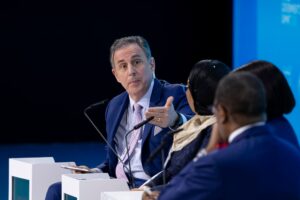
Throughout the session, Defterios guided the conversation with a focus on reform, bankability, and investor confidence, repeatedly returning to the challenge of converting Africa’s demographic and resource advantages into investable opportunities at scale. He noted that the United Arab Emirates has emerged as Africa’s largest investor over the past three years, while stressing that current capital flows remain far below the continent’s true potential.
As the panel concluded, the message was unmistakable. Africa’s leaders are no longer appealing for assistance but presenting a confident, data-driven investment case to the global market. The continent, as articulated by the panellists, is positioning itself not as a recipient of aid but as a destination for capital, growth, and long-term returns.