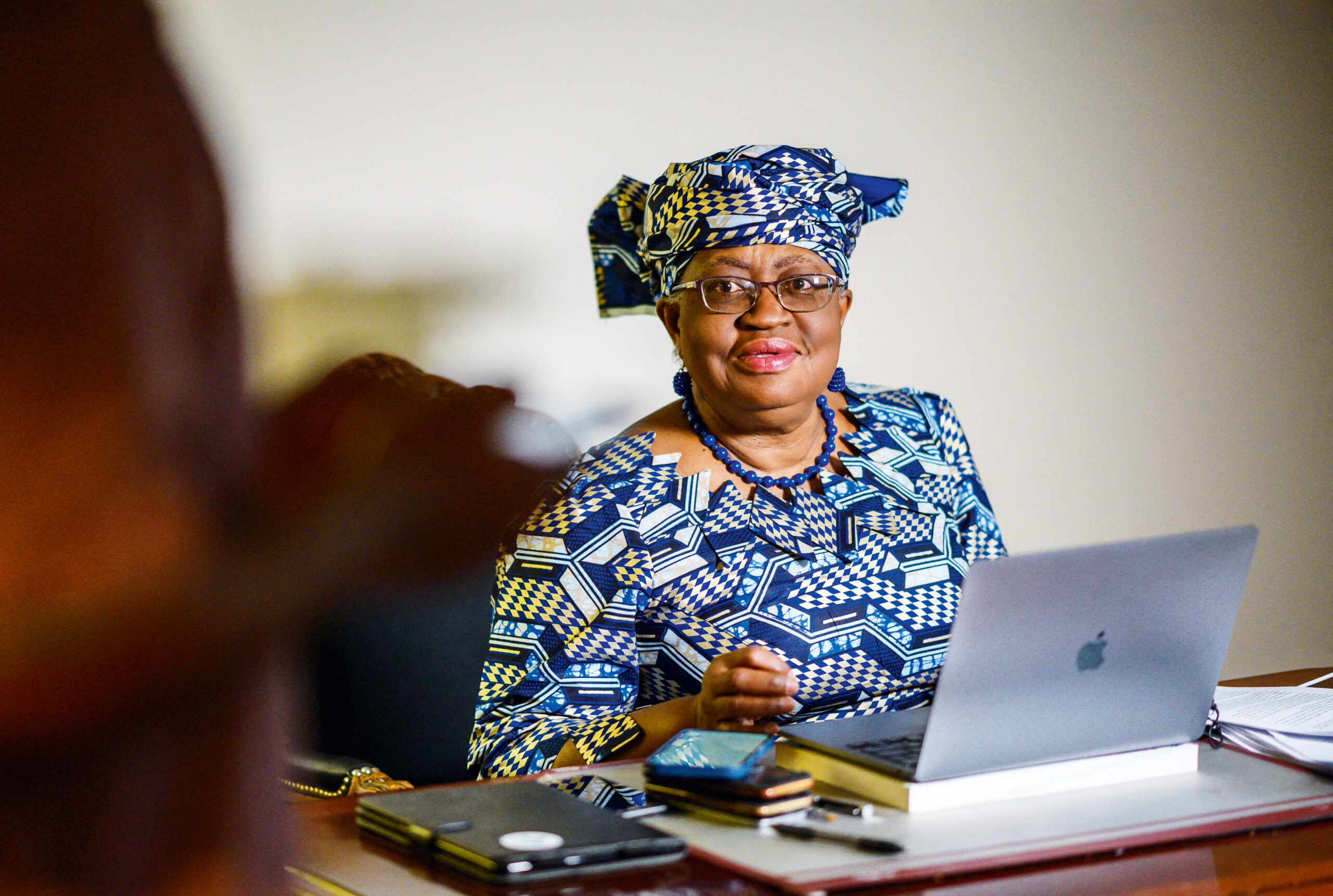
Ada Osakwe’s name has become synonymous with bold entrepreneurship, visionary leadership, and the transformative power of African enterprise. As the founder of Nuli and Agrile Ventures, she has spent more than two decades shaping investment, entrepreneurship, and food innovation across Africa. Her career spans private equity, development finance, public policy, and startup investing, earning her leadership roles on influential boards including the Nigerian Sovereign Investment Authority and Agra Alliance for a Green Revolution in Africa.
Her accolades are as remarkable as her career path. She was named Forbes Africa Businesswoman of the Year 2021, recognized as a Young Global Leader by the World Economic Forum in 2016, and listed among the Top 100 Africans driving economic impact. Her academic background is equally distinguished, including a BSc in Economics with First-Class Honors, an MBA from Kellogg School of Management, and an MSE in Economics and Finance.
YOU CAN ALSO READ: Bold Leadership, Smart Investment Can Solve Nigeria’s Hunger
Yet Osakwe’s story is defined less by awards and more by audacious career choices and entrepreneurial conviction. After a high-profile role in the Nigerian Ministry of Agriculture, she made the unconventional decision to leave government and launch Nuli, a health-focused food brand designed to energize lifestyles with locally sourced produce. At a time when entrepreneurship in agriculture was far from mainstream, Osakwe left a stable, influential position to build something entirely new from scratch.
“It was a huge decision to leave a career with influence, access, and prestige,” she recalls. “People didn’t understand why I’d pivot from working with ministers to starting a juice business. But I had conviction in my vision to energize healthier lifestyles while addressing inefficiencies in our agricultural system.”
Her inspiration came from first-hand experience of Nigeria’s agricultural challenges. She witnessed billions of dollars’ worth of staple foods being imported annually, while local produce often went to waste. Recognizing the gap, she saw an opportunity to create a brand that both celebrated African culinary heritage and supported local farmers. Juice and smoothies were just the entry point; the bigger vision was to build a full-scale food ecosystem that combined nutrition, culinary innovation, and urban consumer appeal.
The journey was far from easy. In 2017, shortly after opening Nuli’s first store in Lagos, government bulldozers destroyed it. Despite her connections, nothing could prevent it. The setback was crushing but became a catalyst for resilience, advocacy, and stronger engagement with entrepreneurial policies. Osakwe recalls crying in bed the next day, yet the incident strengthened her resolve to support other entrepreneurs facing similar hurdles.
Expanding beyond Nigeria, Osakwe has successfully brought Nuli to the United States, opening a store in Washington, DC. The challenge was not only operational but also cultural: how to preserve the authenticity of African flavors while making them accessible to a new audience. The result is a culinary experience that bridges continents, from Nanini wraps inspired by Tunisian couscous to the signature Africa Magic Bowl, which marries bold Nigerian spices with approachable presentation.
Financing these ventures posed another significant challenge. Women in agriculture face systemic barriers to capital, often being twice as unlikely as men to secure funding. Osakwe initially relied on personal savings, navigating investor skepticism, and strategically choosing patient backers who understood the longer growth trajectory of agri-food businesses. Even when global crises like COVID-19 forced store closures and operational contractions, she persevered, demonstrating extraordinary resilience.
Balancing professional ambition with personal life was equally deliberate. Osakwe intentionally planned her family, freezing her eggs and prioritizing health and reproduction alongside entrepreneurship. She emphasizes that women should have options, autonomy, and control over family and career decisions.
Her insights on entrepreneurship reflect a deep understanding of the intersection of resilience, strategy, and integrity. She believes that brilliance and networks alone are insufficient for success; persistence, mental fortitude, and a clear vision are essential. She encourages women to advocate for themselves in fundraising, embrace patience with investors, and celebrate small wins while pursuing audacious goals.
YOU CAN ALSO READ: Bayo Ojulari Leads NNPC into a New Era of Transparency and Growth
Beyond business, Osakwe’s focus is on legacy. She aims to demonstrate what is possible when vision, courage, and strategic action converge. Through Nuli, she is exporting African culture to the world, creating sustainable opportunities for women farmers, and shaping a narrative that positions African food and culinary innovation on the global stage.
Her story embodies resilience, intentionality, and leadership. It is about building a business from the ground up, navigating setbacks with courage, balancing motherhood, and creating something meaningful and lasting. Ada Osakwe is more than an entrepreneur; she is a trailblazer redefining agriculture, empowering women, and proving that African enterprise can thrive on a global scale. Her journey is a blueprint for the next generation of innovators, dreamers, and leaders.