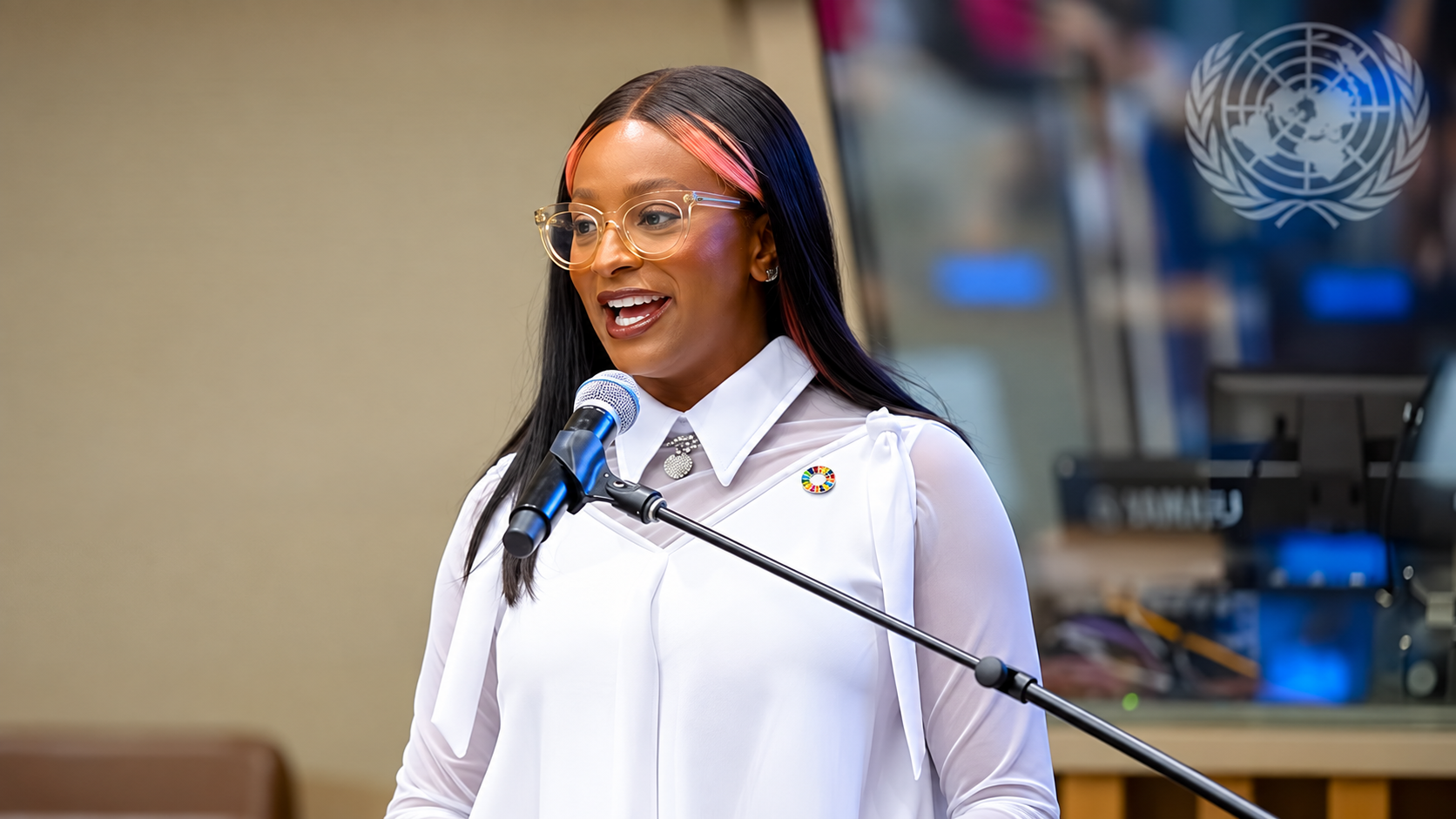
Rather than delivering a conventional keynote at the Africa Prosperity Dialogues, Oluwatosin Ajibade, popularly known as Mr Eazi, offered a thoughtful reflection shaped by years of navigating Africa’s creative and business landscapes. Speaking not as an observer but as a participant in Africa’s evolving economy, Ajibade challenged the audience to reconsider what truly holds the continent back. In his view, Africa’s limitations are often misunderstood: the continent does not lack talent, creativity, or ambition. Instead, it is constrained by friction, administrative, regulatory, and structural barriers that make cross-border collaboration more difficult than it needs to be.
Ajibade grounded his argument in personal experience from his music career. At the height of his success, with chart-topping songs across Africa, he found it easier to tour Europe and North America than to perform within the continent. Border restrictions, visa complications, and inconsistent bureaucratic processes repeatedly disrupted movement and planning. These challenges, he noted, were not merely personal inconveniences but symptoms of a wider system that restricts mobility, raises costs, and limits the scale at which African talent can operate. For Ajibade, such experiences highlighted how institutional barriers, rather than creative capacity, continue to weaken Africa’s collective strength.
YOU CAN ALSO READ: How Music Star, Mr Eazi is Leading Tech Startups in Africa
His reflections did not stop at music. Transitioning into entrepreneurship and investment, Ajibade described how he has increasingly focused on building and backing businesses designed to function across African markets. Today, companies within his investment portfolio operate in 19 African countries, with some processing millions of transactions daily. This, he argued, demonstrates that Africans, particularly young people, are already building a borderless economy in practice, even when policy frameworks lag behind reality. Through technology, creativity, and commerce, cross-border collaboration is happening organically, driven by necessity and opportunity rather than formal alignment.
In outlining the path forward, Ajibade emphasized that the idea of a borderless Africa has moved beyond philosophy into policy. With initiatives such as the African Continental Free Trade Area (AfCFTA), the legal and institutional groundwork has largely been laid. What remains, he stressed, is consistent and committed implementation. Integration, in his framing, does not mean erasing national identities or weakening sovereignty; rather, it means honouring existing commitments and enabling Africans to move, trade, and build more efficiently, securely, and lawfully within the continent.
YOU CAN ALSO READ: “I Didn’t Grow Up Poor”: Mr Eazi on His Roots, Rise as Africa’s Musician-Entrepreneur
By weaving together insights from culture, business, and policy, Ajibade presented African integration as both inevitable and urgent. His message was deliberately practical rather than aspirational: the frameworks exist, the talent is ready, and collaboration is already underway. The decisive task now, he concluded, is to reduce friction and align systems with lived realities, unlocking Africa’s full potential by allowing its people and enterprises to operate at the scale they are already capable of achieving.