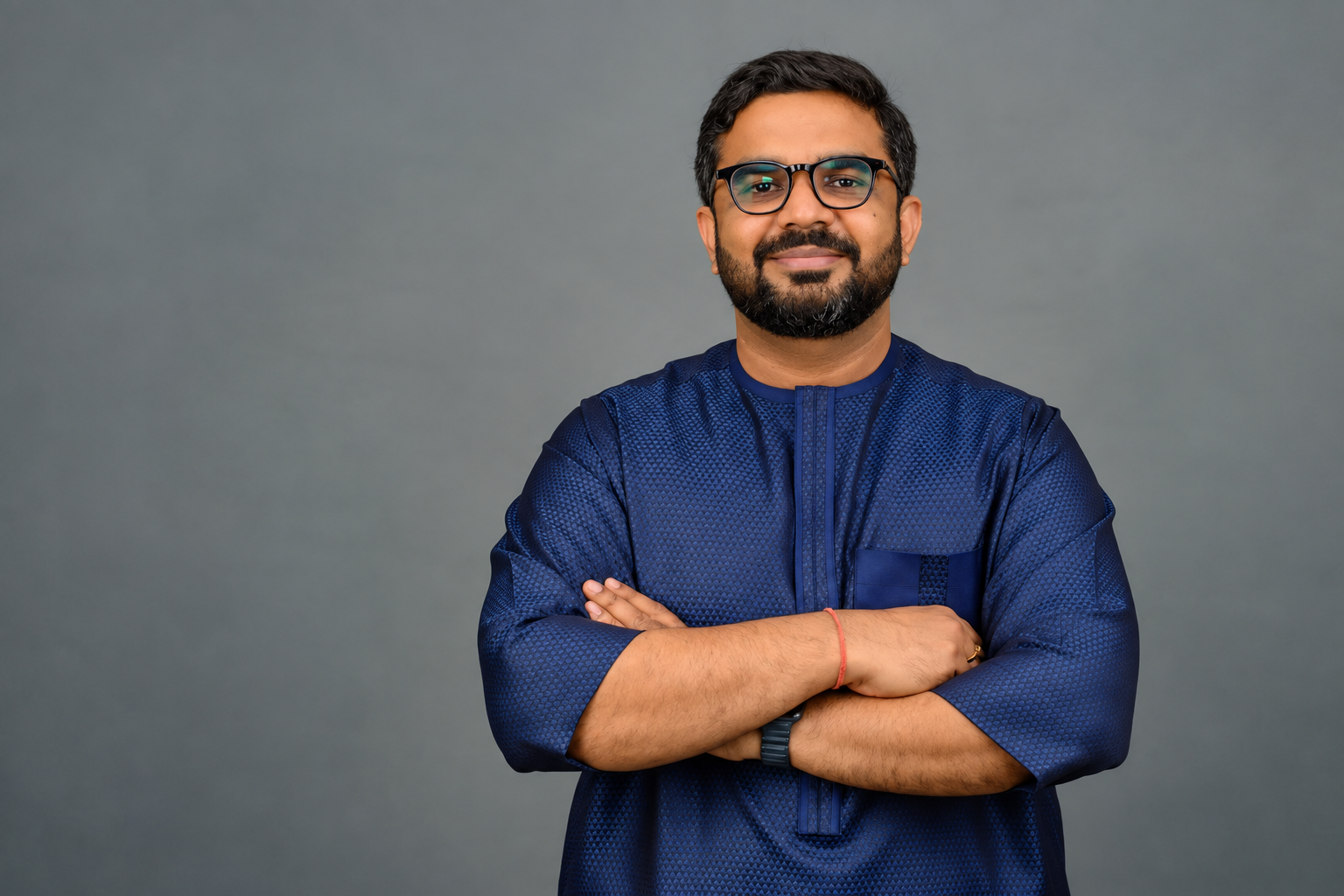
Fourteen years after launching Hotels.ng, Mark Essien is once again proving why he remains one of Nigeria’s most enduring tech founders. What began as a bold attempt to digitise hotel bookings in a largely offline travel market has evolved into a foundation for something bigger. Today, the entrepreneur is building Tripdesk, an AI-driven travel management platform that has already generated $2.3 million in revenue just four months after launch.
Hotels.ng itself has matured into a stable and profitable business, processing roughly 20,000 orders each month. More importantly, the company gave Essien a deep understanding of the African travel ecosystem and the relationships needed to navigate it. That experience now sits at the core of Tripdesk’s rapid rise.
Interestingly, about 30 percent of Tripdesk’s early revenue is already profit. For a product delivering such strong early results, Essien insists the technology behind it is not overly complex. Instead, the real advantage lies in years of industry insight and the systems he built long before the new venture began.
YOU CAN ALSO READ:From Hits to Hubs: Mr Eazi on Talent, Technology, and Trade
One of the most powerful systems in Essien’s playbook is the HNG Internship. Founded in 2016, the three-month remote bootcamp trains and recruits developers, designers, and product managers from across Africa. Over the years, the initiative has quietly become a talent engine capable of assembling high-performing product teams at remarkable speed.
Essien believes few founders have access to a talent pool as deep and responsive as his. When a new product needs to be built, he can quickly mobilise experienced contributors who already understand his expectations and execution style. That advantage played a major role in Tripdesk’s development, even though the product still took about a year to reach launch.
The extended timeline was not due to a lack of talent. Instead, it reflected the realities of working with investors and gathering extensive customer feedback. Iteration and stakeholder alignment became critical parts of the process, ensuring the final product truly matched enterprise needs.
Tripdesk was born directly from those needs. For years, Hotels.ng operated a VIP unit serving large corporate clients. Over time, it became clear that these organisations wanted far more than hotel bookings. They needed a system to manage the entire travel process from request to reimbursement.
Corporate travel, Essien explains, is often weighed down by approvals, fragmented invoices, and complicated expense tracking. Even simple trips can involve multiple departments, delayed sign-offs, and endless paperwork. At scale, these inefficiencies slow companies down and strain finance teams.
Tripdesk was designed to eliminate that friction. The platform mirrors internal company workflows, allowing employees to request travel, managers to approve budgets, and finance teams to track expenses within one integrated system. What once required multiple tools and long approval cycles can now happen in seconds.
The AI layer works quietly behind the scenes as a decision assistant. Rather than flashy automation, it interprets company policies and contextual data, helping approvers make faster and more informed decisions. The result is a smoother experience for employees and stronger financial oversight for organisations.
Despite generating millions in revenue, Tripdesk currently serves only a few dozen clients. Each enterprise customer represents a significant revenue opportunity, making retention and expansion key priorities. Some clients are already requesting rollout across multiple West African countries, hinting at a strong path toward regional growth.
Essien is realistic about the challenges ahead. Enterprise sales remain difficult, and competition may eventually emerge. Yet he remains confident that his experience, relationships, and talent pipeline create a formidable advantage.
With Hotels.ng acting as both a knowledge base and a customer funnel, Tripdesk is positioned to scale beyond Nigeria. For Essien, the journey reflects a broader lesson for founders across the continent. Long-term success is rarely about a single product. It is about building systems, talent, and insights that compound over time.