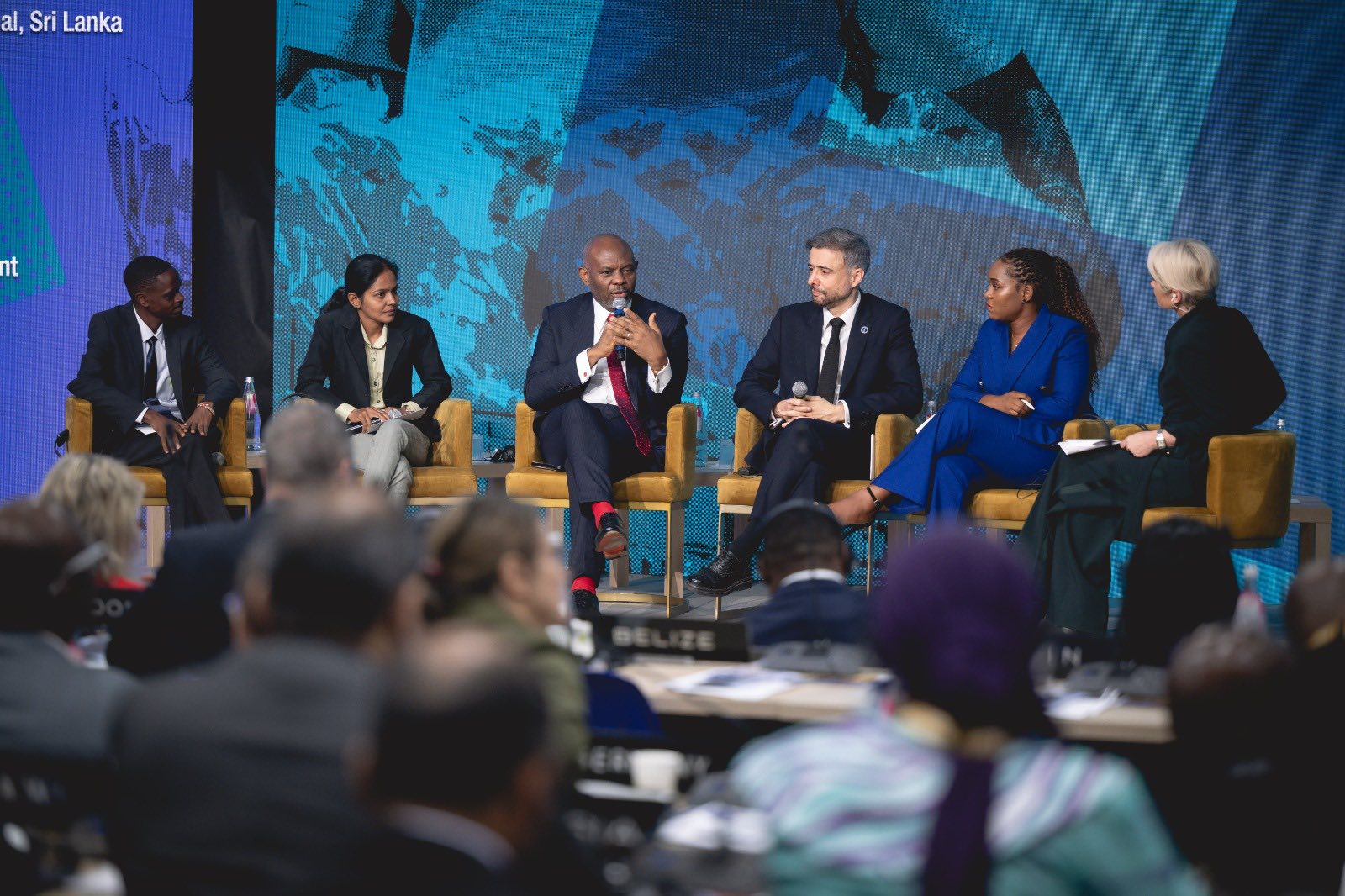
In Rome, where diplomacy often moves at the pace of protocol, the 49th Governing Council of the International Fund for Agricultural Development carried a different rhythm. It was urgent, youthful and unapologetically practical. Beneath the formal architecture of global development, a quieter revolution was being articulated, one rooted not in theory but in enterprise.
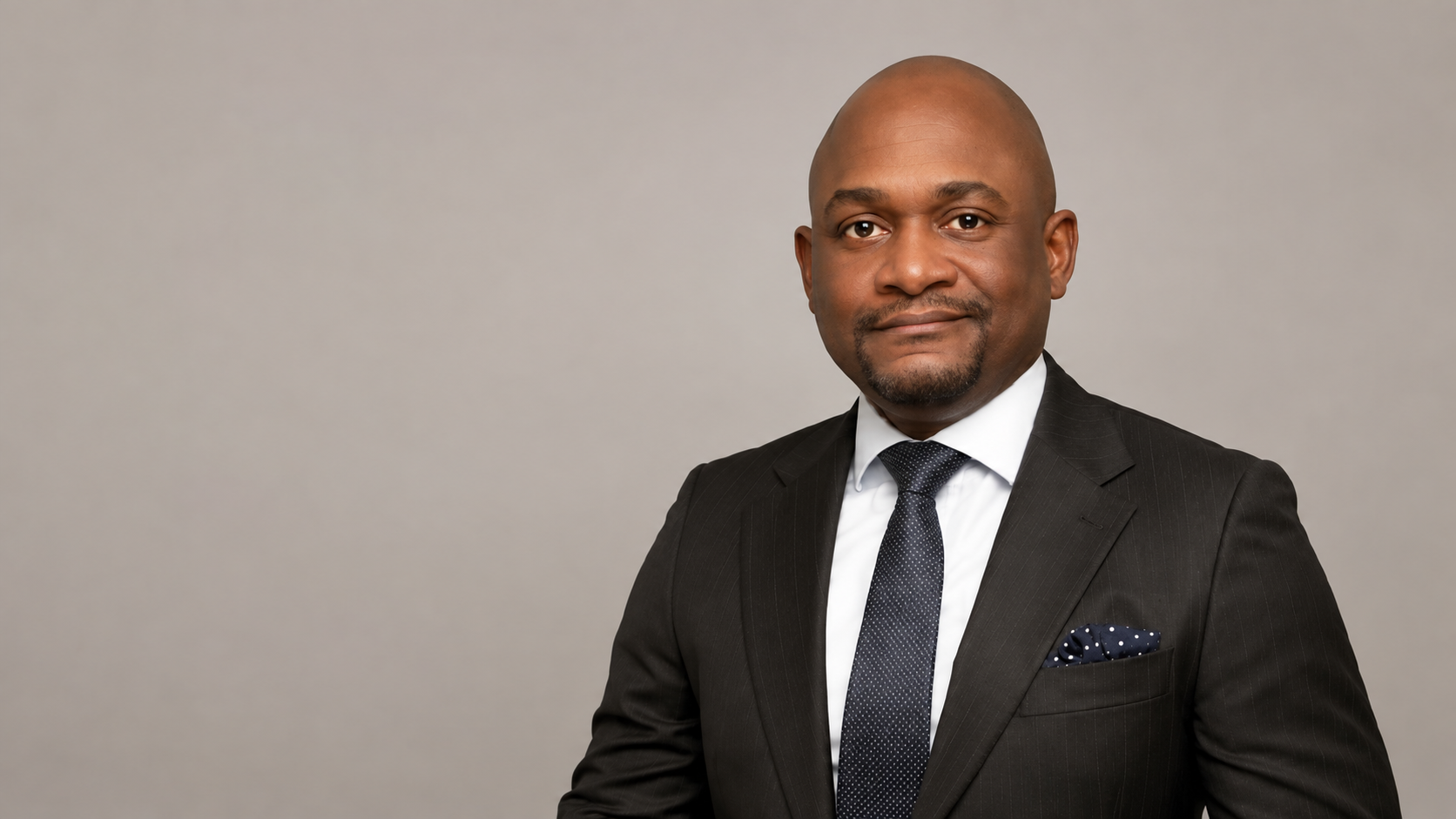
At the centre of the gathering was Álvaro Lario, President of IFAD, a development financier with the composure of a banker and the cadence of a reformer. Lario did not speak in abstractions. His message was clear. Rural investment is not peripheral to global stability. It is foundational to it.
He framed agriculture not as subsistence but as strategy. Climate volatility, food insecurity and youth unemployment are converging pressures. The answer, he argued, lies in mobilising capital at scale while ensuring that smallholders and rural entrepreneurs are not excluded from the financial architecture of growth. Blended finance, risk sharing mechanisms and digital inclusion were not buzzwords in his remarks. They were instruments of structural transformation.
YOU CAN ALSO READ: Akinwumi Adesina: The Man Who Insisted Africa Is Not Poor, Just Undervalued
Yet what distinguished the session was not only presidential conviction. It was the presence of entrepreneurs whose lives embody the policies being debated.
Lakmini Weerakkody, Founder and Managing Director of Lak Nature International in Sri Lanka, brought to Rome the discipline of value addition. Her enterprise transforms fruits and vegetables into export ready products distributed across international markets. But her business model is not defined solely by export figures. More than 500 rural women and farmers are embedded within her supply chain, turning local harvests into global commodities.
Weerakkody spoke with measured confidence about resilience. In her narrative, agriculture is not romanticised. It is engineered. Post harvest losses are not lamented. They are designed out of the system through processing, packaging and quality assurance. Her company demonstrates that rural economies can compete globally when value chains are structured with intention.
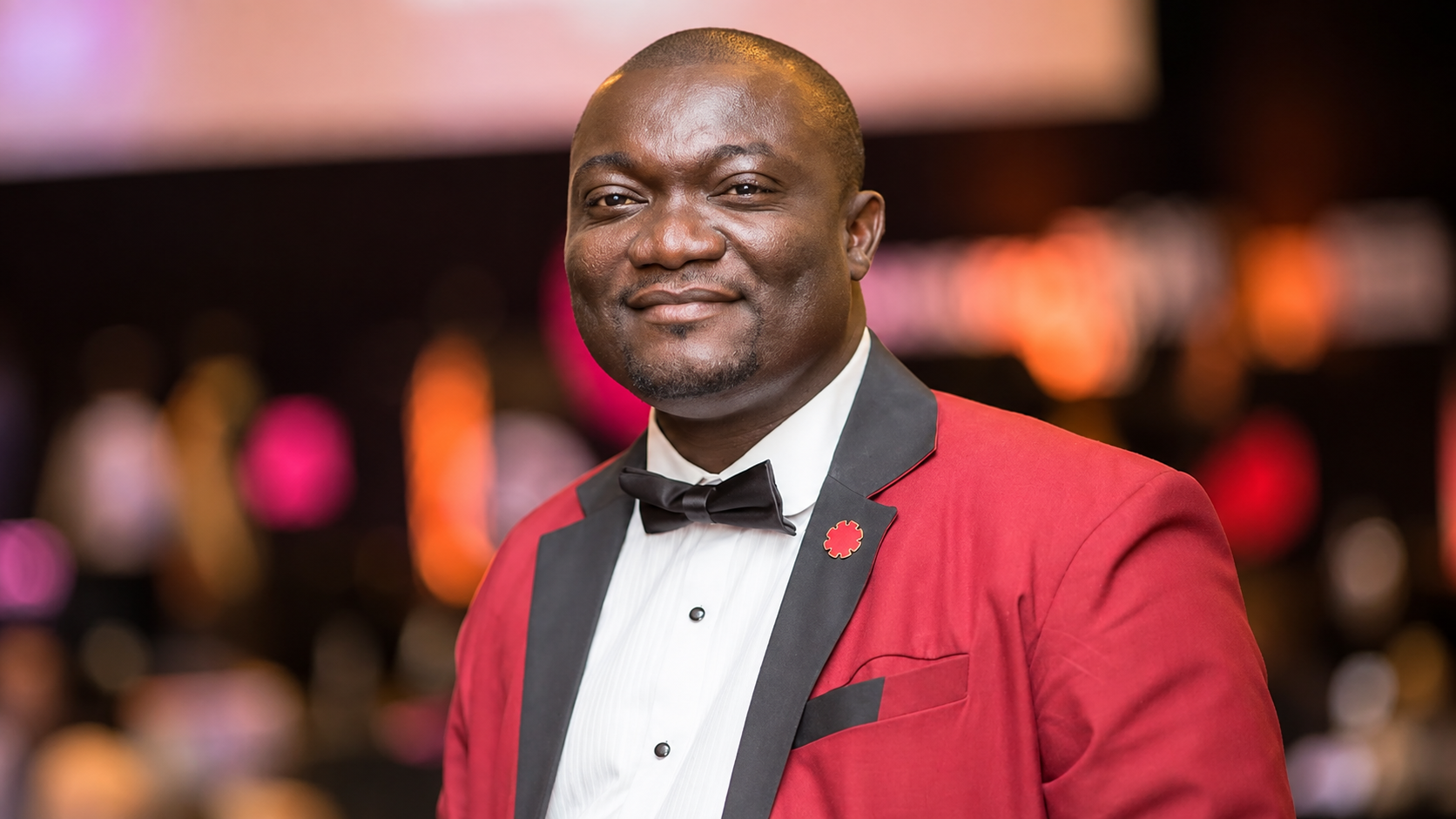
From Kenya’s coastline, Morgan Mwamuye, Founder of Bahari Haven, offered a different but complementary story. Once a graduate navigating limited job prospects, he turned to agribusiness not as a fallback but as a frontier. Through targeted incubation and skills development, he reimagined coconut processing as a viable commercial venture. Today, Bahari Haven generates employment for youth and women while anchoring economic activity in Kilifi.
Mwamuye’s intervention disrupted long held stereotypes. Agriculture, he suggested through both data and demeanor, is not an industry of the past. It is a platform for innovation, branding and scalable enterprise. With the right ecosystem, rural youth can become exporters, manufacturers and employers.
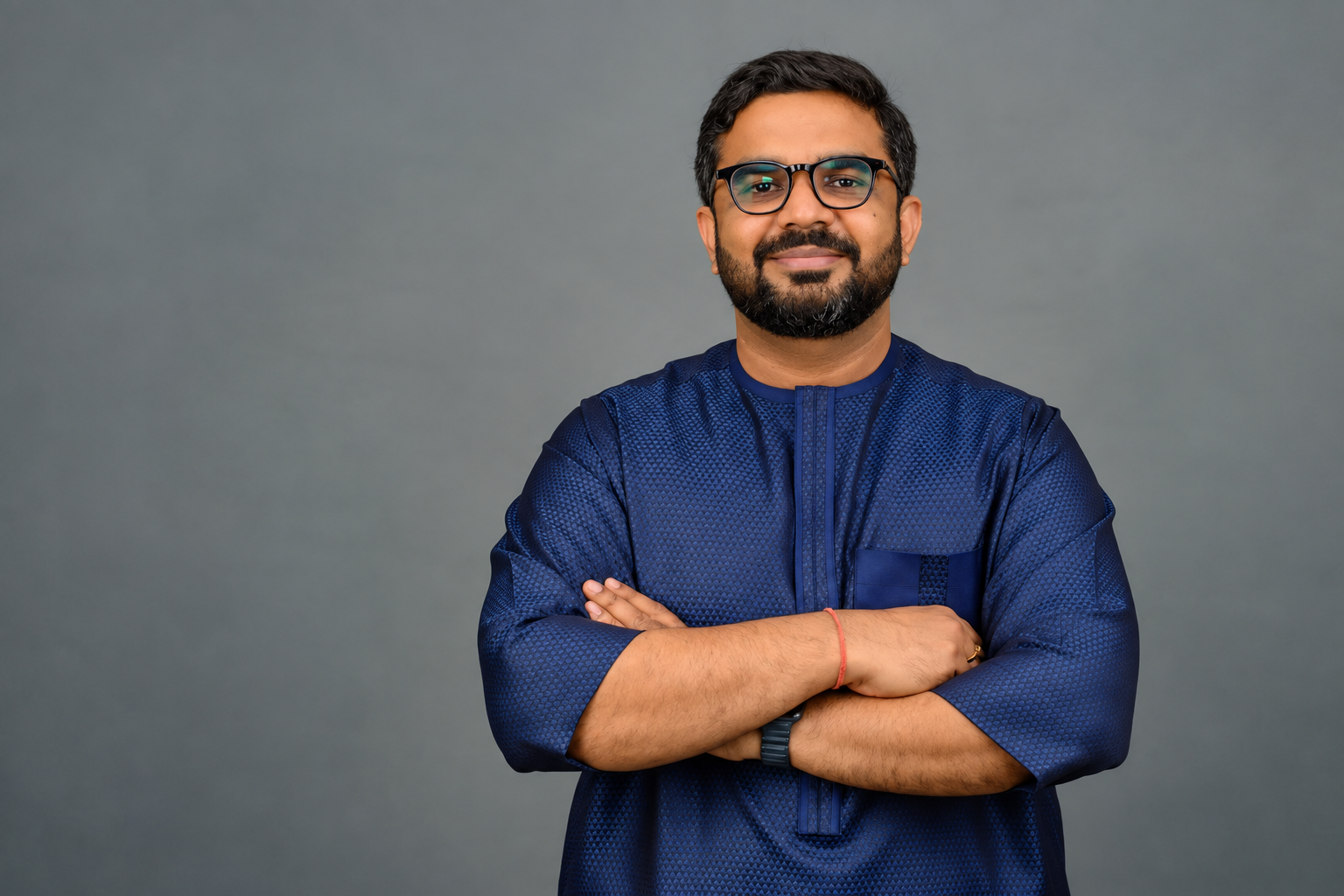
Clara Kamlomo, Founder of Amazing B Projects in Lilongwe, Malawi, brought the urgency of inclusion. Her journey into agriculture was born of necessity, yet it evolved into a mission to equip others. Through production and training initiatives, she has opened pathways for thousands of young people and women to acquire practical agribusiness skills.
Kamlomo spoke candidly about the structural constraints that persist. Electricity gaps slow processing. Limited access to affordable finance restricts expansion. Market linkages remain fragile. Her remarks were not complaints. They were blueprints for reform. If rural transformation is to accelerate, systems must align with ambition.
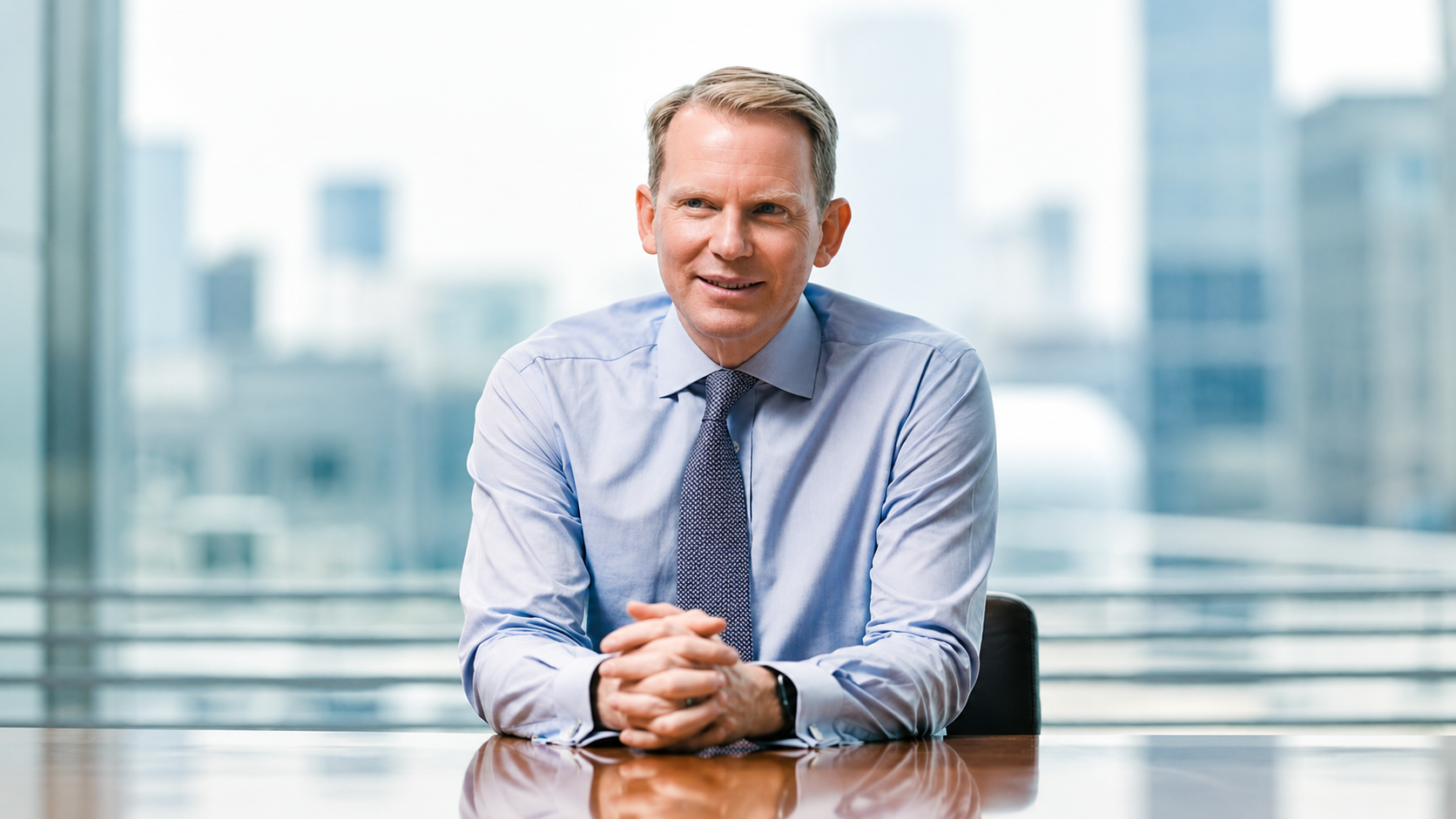
Guiding the exchange with clarity and sharp inquiry was CNN’s Melissa Bell. Her moderation moved seamlessly between macroeconomics and lived experience, pressing panelists to reconcile institutional frameworks with ground realities. She surfaced the tensions between digital optimism and infrastructure deficits, between climate adaptation and capital scarcity.
What emerged in Rome was a conversation that refused to separate policy from people. IFAD’s mandate is global, but its success is measured in villages, cooperatives and start ups. Lario’s emphasis on mobilising billions in financing found resonance in the testimonies of entrepreneurs mobilising communities.
YOU CAN ALSO READ: Making Big Shifts: Why Africa’s Boldest Leaders Are Heading to Lagos
The Governing Council became a mirror. On one side stood multilateral architecture, calibrated to manage risk and deploy capital. On the other stood young founders recalibrating rural economies through ingenuity and persistence. The distance between them felt narrower than in years past.
If there was a prevailing sentiment in the room, it was this. Rural youth are not waiting for development. They are building it. What they require is infrastructure that functions, financing that trusts and policy that anticipates rather than reacts.
As delegates dispersed from Rome’s corridors of negotiation, the message lingered. Agriculture is no longer a sector confined to fields. It is finance, technology, logistics and leadership. And at the 49th Governing Council of IFAD, the future of that transformation spoke in clear, determined voices.