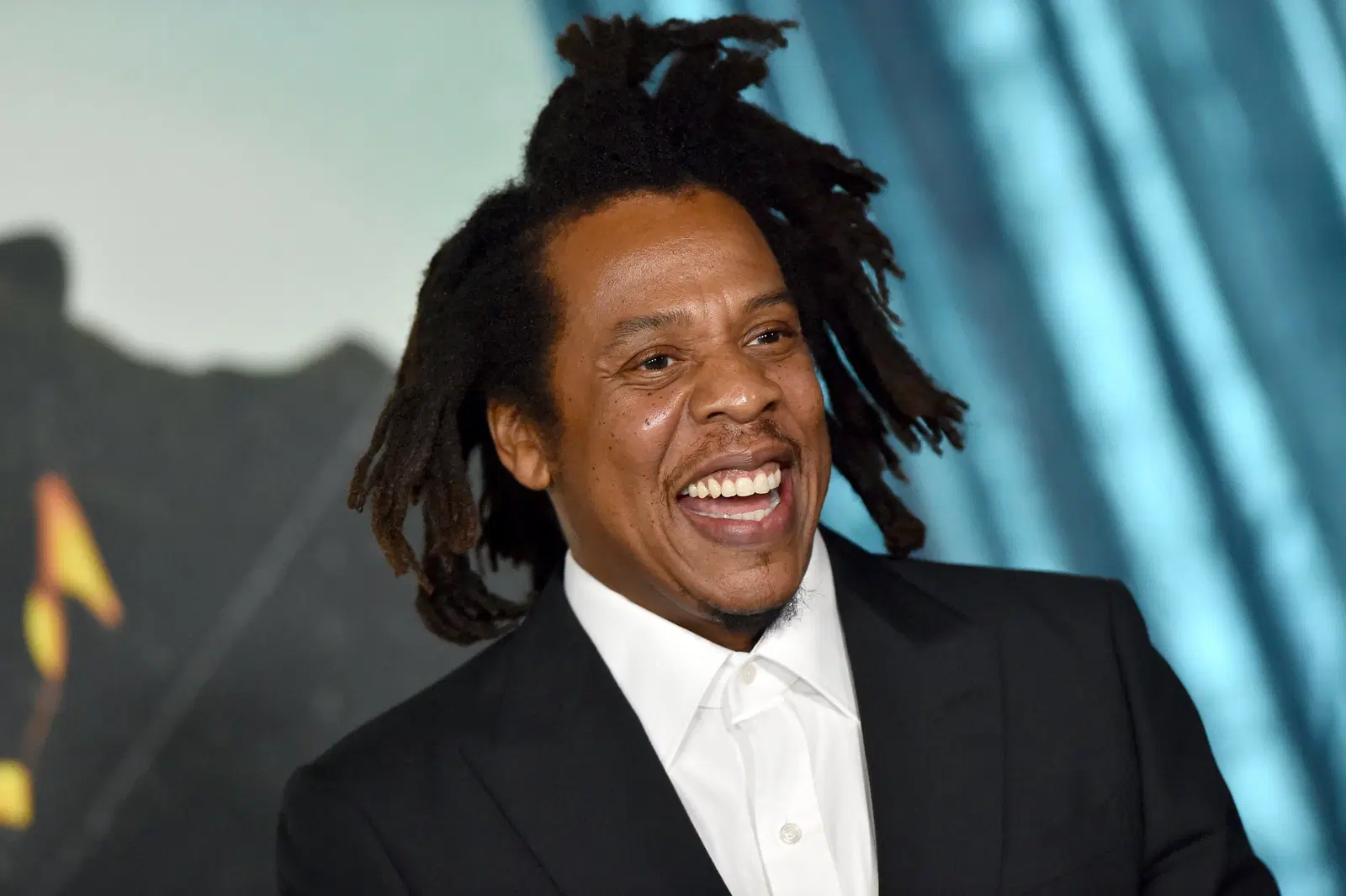
The weight of experience sits differently on Sean Carter these days, less like a burden and more like a hard earned lens through which he now views everything: success, pain, culture, and self.
It has been a while since the world last saw him in a setting like this, unfiltered, reflective, and unguarded. But time, as he admits, has not stood still. It has stretched, tested, and, in many ways, refined him.
“Everything,” he says when asked what he’s been up to. And it doesn’t feel like an exaggeration.
Looking back at 2025, Carter doesn’t romanticize it or package it neatly. He tells it plainly. It was hard. Really hard.
There is no bravado here, just a quiet honesty. The kind that comes from someone who has lived long enough to understand that vulnerability is not weakness, but clarity. He speaks of heartbreak, not just in the romantic sense, but in the broader weight of public scrutiny, personal trials, and emotional exhaustion.
YOU CAN ALSO READ: The Next Economy: CEOs Chart Future of Business in a Shifiting Global Economy
For someone whose life has largely unfolded in the spotlight, what makes Carter’s journey unique is not the struggle, but the fact that he chose not to hide it. While most people endure their darkest moments in private, he carried his into arenas, onto stages, and into music, night after night. Somehow, it became healing.
Carter’s voice tightens when he reflects on a recent legal controversy that cast a shadow over his name, an experience that stirred something deeper than frustration. Anger. Not fleeting irritation, but something visceral and unfamiliar.
“I haven’t been that angry in a long time,” he admits.
For a man shaped by codes, unwritten rules drawn from the streets and anchored in loyalty, integrity, and restraint, the idea of being falsely accused cuts deeper than reputation. It challenges identity itself. There was always a line, he explains. No women, no kids. These were not just sayings, but principles he lived by, principles that once demanded certainty before anyone crossed them.
But today’s world moves faster, and consequences are often secondary to immediacy. Carter sees that shift clearly. Still, his belief remains intact that truth endures.
If 2025 was about endurance, 2026, he declares, is about action. All offense.
It is a mindset rooted in history. When he released Reasonable Doubt, success did not come wrapped in validation. There were no immediate co signs or industry embrace, just belief. Selling 34,000 records was not seen as a triumph by outsiders, but to Carter it was proof of concept. The act of creating and releasing the album was the win.
That perspective, seeing victory where others see lack, has defined his career. Even rejection did not shake him.
“I was rejected, not dejected,” he says.
At the core of Carter’s worldview is a deceptively simple idea that nothing happens to you, it happens for you. It is not just philosophy, it is survival.
He traces this thinking back to early influences like The Seat of the Soul and The Celestine Prophecy, but more importantly to lived experience. By 26, he had already navigated environments that could have easily derailed him, from Marcy Projects to Trenton, New Jersey, to Maryland and Virginia. He moved through it all and emerged, by his own account, unscathed.
That alone sparked curiosity. Why did things happen the way they did? Why did he survive when others did not? Those questions shaped the introspective artist the world would later see in projects like 4:44, an album he still finds difficult to revisit because of its raw honesty.
Carter is acutely aware of his position, not just as an artist, but as a cultural force. Yet he resists the language of limitation. “We’re not allowed to do anything,” he says firmly. “No one has authority over us.” It is a subtle but powerful shift, one that reframes success not as permission granted, but as space claimed.
Still, that stance comes with consequences. Visibility invites scrutiny and leadership attracts resistance. He accepts it, because for Carter, challenging systems whether in music, business, or culture is not optional, it is necessary.
As someone who has witnessed and shaped hip hop’s evolution, Carter speaks candidly about one of its defining elements, conflict. Referencing modern rivalries involving artists like Kendrick Lamar and Drake, he acknowledges the artistry and the energy, even the excitement. But he questions the aftermath.
In the age of social media, battles no longer end with music. They spill into personal lives, families, and public perception in ways that feel excessive. It goes too far, he says.
It is a striking stance from someone whose own rivalry with Nas once defined an era. Now, with distance and maturity, he views it differently, not as something to glorify, but something to reconsider. He is not sure it is worth it anymore.
Away from the industry noise, Carter finds grounding in something far more personal, family. Watching his daughter grow, evolve, and fight for her place on stage has been one of his most profound experiences, not because of fame, but because of effort. She fought for it, he says with pride.
It is that same authenticity he values in his own work, something he now prioritizes over output, expectations, or pressure. Being around creativity, especially alongside his wife Beyoncé, does not push him to produce more. It fulfills him in a quieter way.
He no longer feels the urgency to create for relevance. If anything, he is more cautious, because the next body of work must come from truth, not timing.
YOU CAN ALSO READ: From Fashion to Oil – How Folorunsho Alakija Built a Lasting Legacy
For a man who has reached extraordinary heights, the question of what comes next is inevitable. But Carter does not see ceilings, only layers. Once, he thought reaching the top floor was the goal. Now he understands that the next step is owning the building, and beyond that, there are always more levels.
As long as curiosity remains, so does growth.
In the end, what defines Sean Carter is not just his success, but his evolution. From Marcy to mogul, from rapper to philosopher, from icon to an introspective observer of his own journey.
And if 2026 is truly all offense, it will not simply be about output. It will be about intention, clarity, and a man who has nothing left to prove, yet still has something meaningful to say.