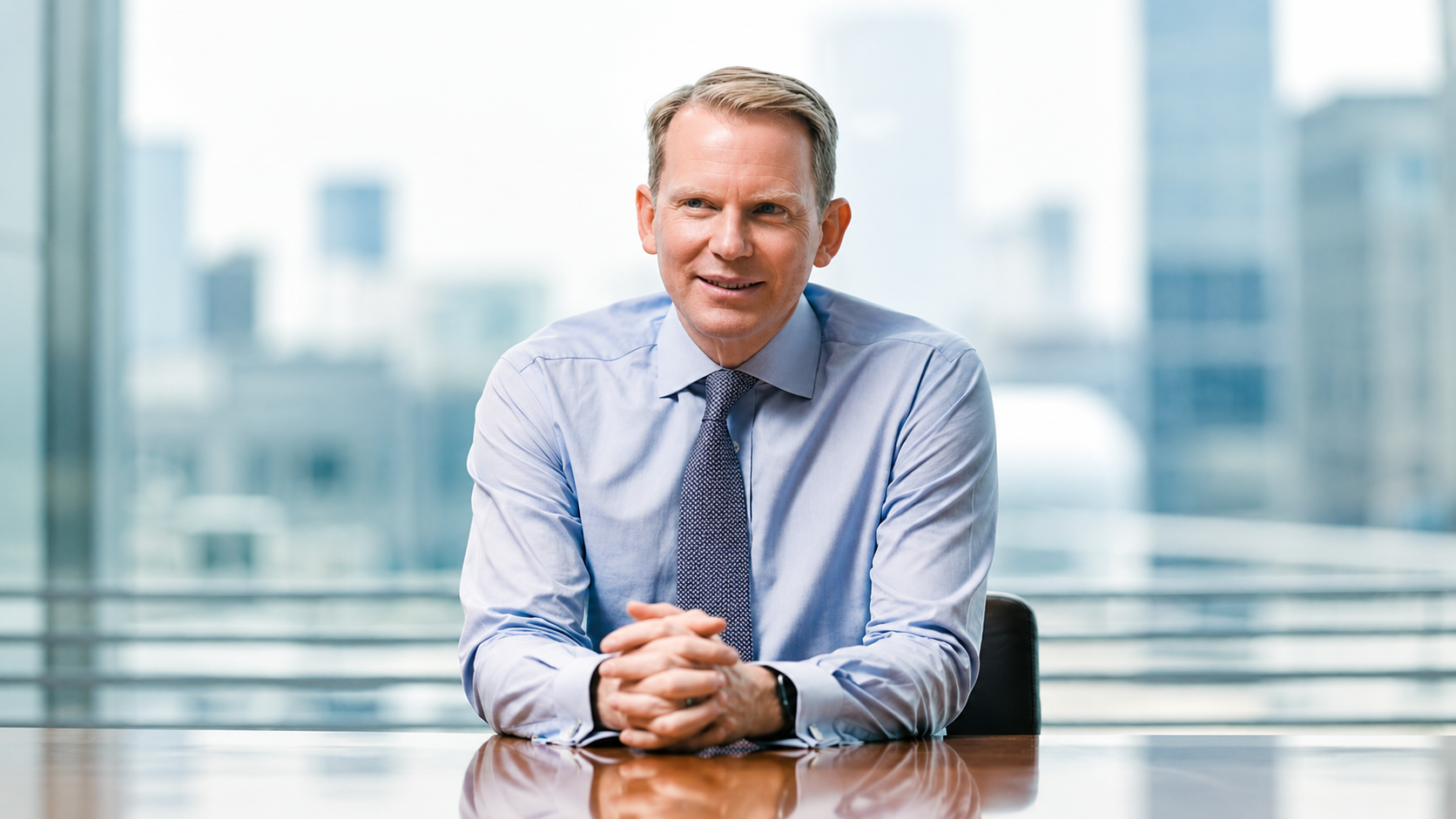
Larry Fink is once again setting the tone for global economic discourse, and this time his message carries a clear warning: the world may be drifting toward a costly reset.
The BlackRock CEO has raised concerns over a growing shift toward economic self-reliance, a trend gaining traction across major economies as geopolitical tensions, supply chain disruptions, and national security priorities reshape global trade. While the move toward domestic resilience may appear strategic, Fink argues it comes with significant long-term consequences.
At the heart of his warning is the risk of fragmentation. For decades, globalization has enabled efficiency, lowered costs, and accelerated growth by connecting markets and capital across borders. The current pivot toward protectionism and regionalization, however, threatens to reverse those gains. According to Fink, breaking up these interconnected systems could drive up production costs, fuel inflationary pressures, and ultimately slow global economic expansion.
YOU CAN ALSO READ: The Next Economy: CEOs Chart Future of Business in a Shifiting Global Economy
But the warning does not stop there. Fink also turned attention to the rapid rise of artificial intelligence, cautioning that while AI holds transformative potential, its benefits may not be evenly distributed. As capital flows increasingly into AI-driven sectors, there is a growing risk that wealth creation becomes concentrated among a narrow group of companies and economies, widening inequality on a global scale.
This dual dynamic delocalization on one hand and concentrated technological growth on the other creates a complex economic landscape. In Fink’s view, the combination could amplify volatility, making it harder for policymakers and investors to navigate long-term planning. Markets may become more reactive, supply chains less predictable, and capital allocation more uneven.
For business leaders, the message is clear. The rules of global expansion are changing. Companies that once relied on seamless cross-border operations must now adapt to a world where political considerations increasingly shape economic decisions. At the same time, they must position themselves within the AI revolution without becoming overly exposed to its risks.
Fink’s perspective carries weight not just because of his role, but because of the scale at which BlackRock operates. As the world’s largest asset manager, the firm sits at the intersection of global capital flows, offering a unique vantage point into how shifts in policy, technology, and investor sentiment are unfolding in real time.
YOU CAN ALSO READ: Beyond the Wins: Sean Carter on Pain, Perspective, and Purpose
What emerges from his warning is not a call to retreat, but a call for balance. Economies must strengthen domestic capabilities without shutting out global cooperation. Businesses must embrace innovation while remaining mindful of its broader impact. And investors must prepare for a world where the assumptions of the past no longer hold.
In many ways, Fink is outlining the contours of a new economic era one defined not by seamless global integration, but by strategic realignment. How governments and corporations respond to this shift will determine whether the next phase of globalization is more resilient or more divided.