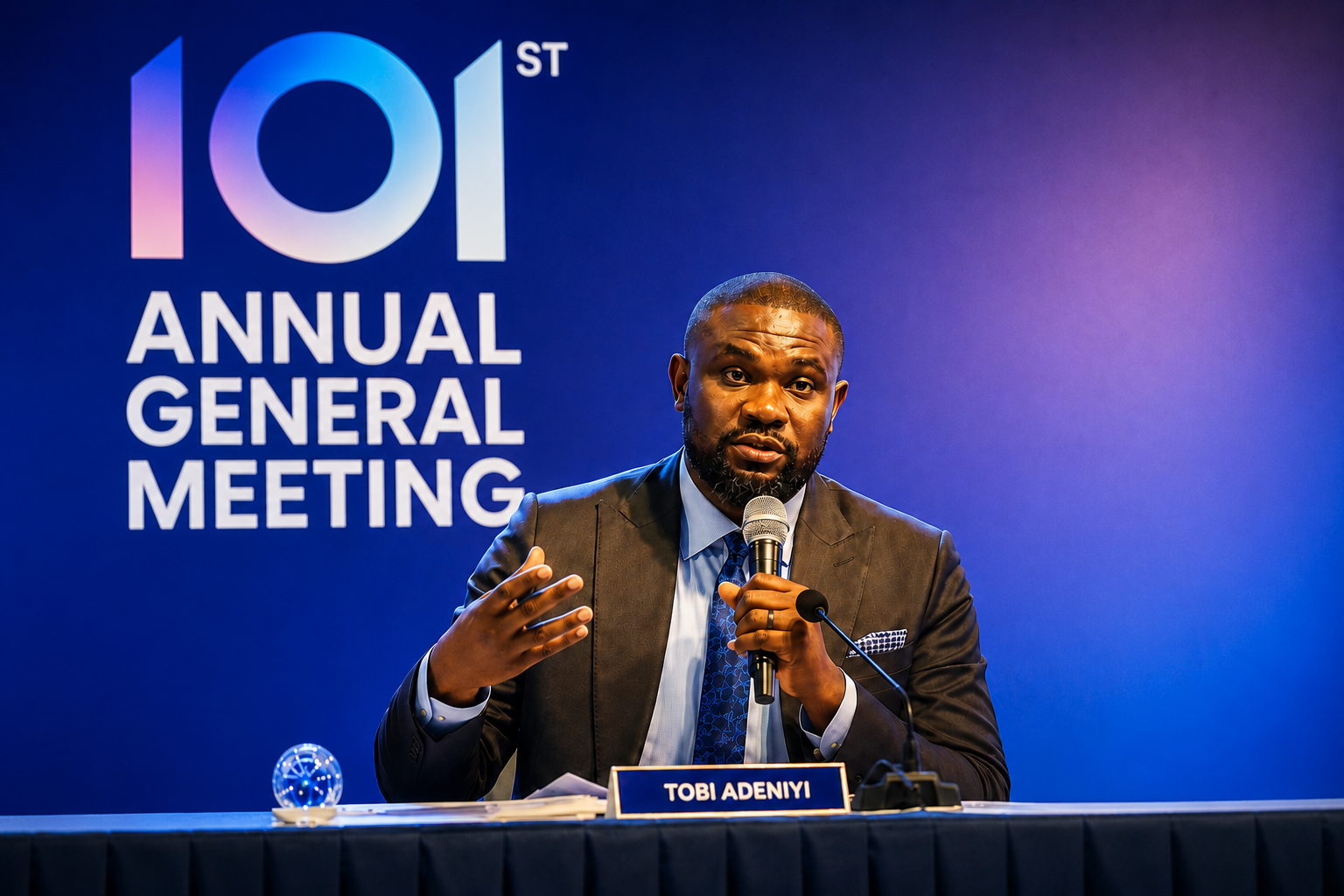
In a rapidly evolving economic landscape where professionals grapple with uncertainty, burnout, and shifting workplace dynamics, two industry leaders, Godrey Ogbechie, Group Executive Director at Rainoil Limited, and Tobi Adeniyi, Managing Director of Unilever Nigeria, have offered a compelling reality check: career growth is neither accidental nor guaranteed.
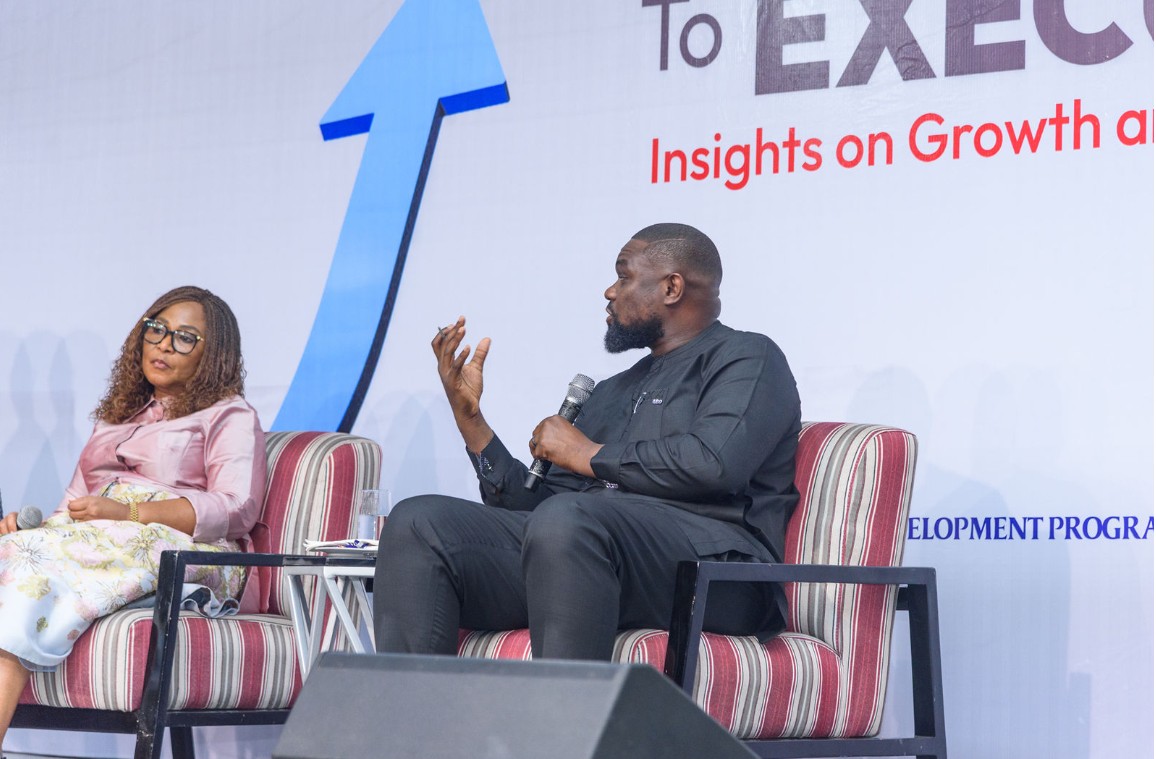
They spoke at a recent session of the Daystar Career Development Program (DCDP) in Lagos, where professionals across different career stages gathered for insights on navigating today’s complex workplace environment.
The executives delivered a powerful message to early and mid-career professionals: no one owes you success, and growth must be intentional.
The session, which drew a diverse audience of young professionals and experienced practitioners, explored the realities of building careers in Nigeria, while offering practical insights on leadership, resilience, and long-term success.
At the heart of the conversation was a critical mindset shift. According to Ogbechie, one of the biggest misconceptions among professionals today is the belief that opportunities are better elsewhere.
“Many people think the grass is greener on the other side,” she noted. “But the truth is, the grass is greener where you water it.”
Drawing from nearly four decades of work experience, Ogbechie emphasized personal responsibility as the foundation of career advancement. She challenged the growing sense of entitlement among young professionals, stressing that progress is not owed by employers, systems, or external conditions.
Her message was clear: ownership, discipline, and consistency remain non-negotiable.
Adeniyi reinforced this perspective with insights from his journey across global markets in the fast-moving consumer goods sector. He highlighted a common pitfall among early-career professionals, the tendency to chase trends, particularly in high-paying or popular industries, without understanding their own strengths.
“Let your ‘why’ guide you,” he advised. “When you understand your strengths and align them with your career choices, growth becomes more sustainable.”
In an era defined by disruption, from foreign exchange volatility to global pandemics and technological shifts, Adeniyi noted that the pace of change has accelerated career trajectories. Professionals today are gaining in a decade what once took two.
However, this accelerated exposure comes with increased pressure. Organizations now operate with leaner teams, demanding more output with fewer resources. As a result, professionals must develop not only technical competence but also adaptability and resilience.
Yet, despite these shifts, both leaders identified a persistent gap in Nigeria’s workforce ecosystem, the disconnect between education and employability.
Ogbechie pointed out that many graduates enter the workforce without practical skills, placing the burden of training on employers. This, she explained, makes self-development and continuous learning critical for career survival.
For those just starting out, Adeniyi offered a strategic approach: build depth before chasing breadth.
According to him, long-term success is rooted in mastery. Professionals who prioritize deep expertise in a chosen field are better positioned for leadership than those who frequently switch roles without gaining meaningful experience.
“Experience compounds,” he said. “At some point, your ability to see patterns and make decisions quickly will come from years of focused learning.”
The conversation also addressed a common challenge among mid-career professionals, the feeling of being stuck or overlooked.
Ogbechie advised professionals to intentionally create visibility by contributing meaningfully in meetings and organizational discussions. However, she cautioned against superficial efforts, emphasizing that true visibility comes from value, not performance optics.
“Don’t sit through meetings without contributing,” she said. “You are not furniture. Your ideas might be the solution the organization needs.”
Adeniyi added that performance alone is often not enough to stand out. In high-performing environments where many individuals meet their targets, differentiation comes from leadership traits, initiative, innovation, and the ability to create lasting impact.
As the session concluded, one message resonated strongly across the room: career success is a deliberate journey.
In a system that offers no guarantees, professionals must take control, investing in their growth, defining their paths, and consistently delivering value.
For many attendees at the DCDP event, the session was more than a discussion, it was a moment of clarity.
A reminder that while the path to leadership may be demanding, it remains accessible to those willing to prepare, persist, and take ownership of their future.