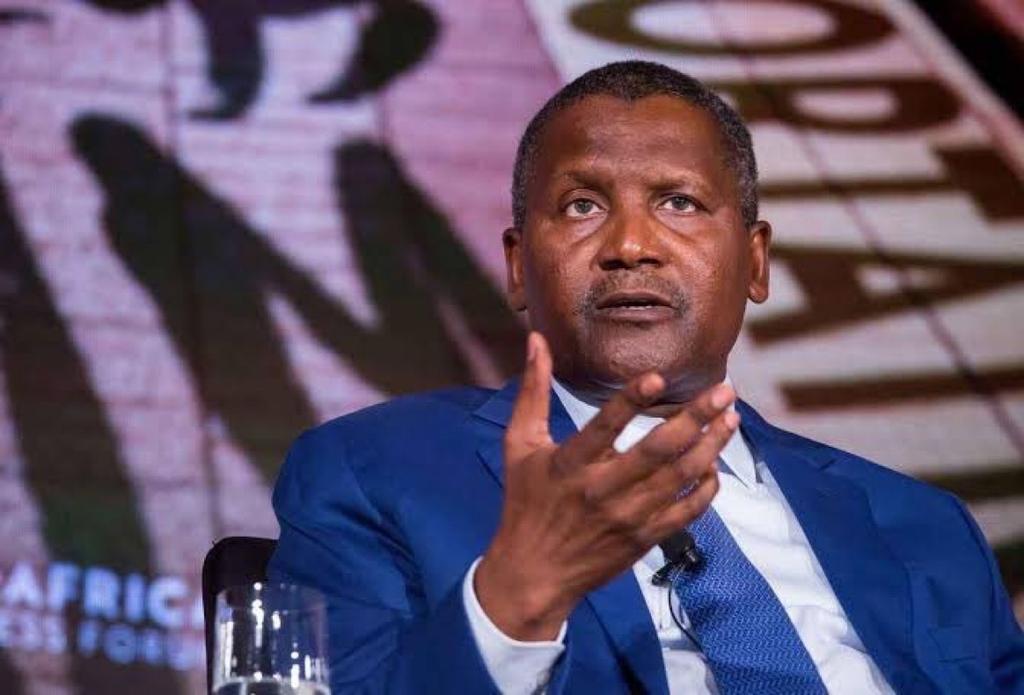
Former UK Prime Minister Rishi Sunak has urged small business leaders to embrace artificial intelligence as an immediate and transformative force that will redefine the global economy.
Speaking to a packed audience of entrepreneurs and executives at a Goldman Sachs small business forum, Sunak combined personal storytelling with economic insight, presenting AI as a once in a generation opportunity for small and medium sized enterprises.
He drew from his early life, recalling his upbringing in a family run pharmacy where every member contributed to keeping the business afloat. From delivering prescriptions to managing accounts, he experienced firsthand the resilience required to sustain a small business. That foundation, he noted, shaped his worldview long before his education at Stanford University and his later career in finance and politics.
Sunak described small businesses as the engine of the economy, emphasizing their role in job creation, innovation and community development.
YOU CAN ALSO READ: Youngest Self-Made Woman Billionaire, Lucy Guo Reinvents the Creator Economy
At the center of his remarks was a bold assertion that artificial intelligence will have twice the impact of the Industrial Revolution in half the time. Drawing from his advisory roles with Microsoft and Anthropic, he stressed that the pace of change is accelerating rapidly and will reshape industries, workflows and competitive dynamics.
Beyond economic impact, he highlighted AI’s potential to democratize access to healthcare and education, describing it as a technology capable of lifting the floor for humanity.
While global attention often focuses on the race between major powers to dominate AI development, Sunak said the more important contest is the race for everyday adoption. He emphasized that the businesses and countries that adopt AI quickly and effectively will emerge as leaders.
For small businesses, this presents both opportunity and risk. Historically slower to adopt new technologies, SMEs risk falling behind larger corporations if they fail to act, potentially widening economic inequality.
Sunak stressed that successful adoption must begin with leadership. Business owners and executives must take ownership of AI integration, setting the tone for their organizations. While deep technical expertise is not required, awareness, openness and a willingness to learn are essential.
He also emphasized the importance of bringing employees along on the journey. Rather than replacing jobs, AI should be positioned as a tool that removes repetitive tasks and allows workers to focus on more meaningful and strategic work. Effective communication and continuous training, he said, are key to overcoming resistance and building confidence.
Sunak advised businesses to focus on solving real problems rather than adopting technology for its own sake. By identifying bottlenecks, repetitive processes and inefficiencies, companies can deploy AI in ways that deliver immediate and measurable value.
He encouraged leaders to look beyond cost savings and consider AI’s potential to drive growth. From improving products through customer insights to expanding into new markets, the technology offers significant opportunities for innovation and competitive advantage.
On regulation, Sunak maintained that while governments should avoid stifling innovation, businesses must still operate responsibly. Data privacy and governance remain critical, particularly in sectors handling sensitive information. He warned that failing to establish clear guidelines could lead to uncontrolled use of AI within organizations.
Despite these challenges, Sunak expressed strong optimism about the role of AI in leveling the playing field for small businesses. Unlike previous technological revolutions that required heavy investment, AI is relatively accessible and affordable, enabling even small firms to compete at scale.
He noted that small businesses possess key advantages, including agility, speed and deep operational knowledge, which position them to adopt and implement AI more effectively than larger, more bureaucratic organizations.
YOU CAN ALSO READ: Why Human Judgment Still Wins in an Age of Infinite AI Output
Sunak concluded by emphasizing that AI adoption is an ongoing process of learning, experimentation and adjustment. The businesses that act now, he said, will be better positioned to innovate, compete and grow in an increasingly digital economy.
He left the audience with a clear message that the time to act is now and that those who embrace artificial intelligence with a growth mindset will unlock its full potential as a powerful driver of business success.