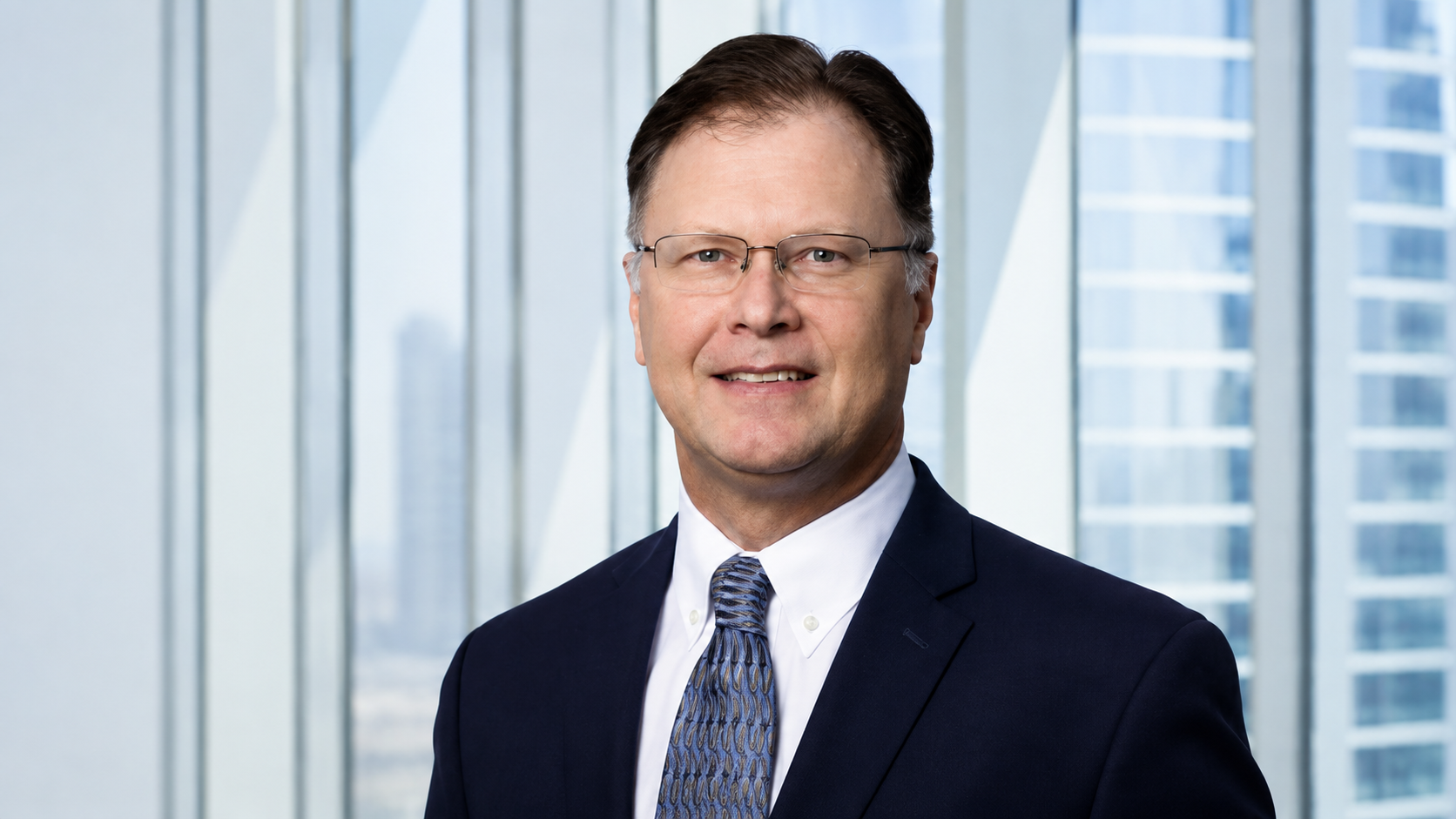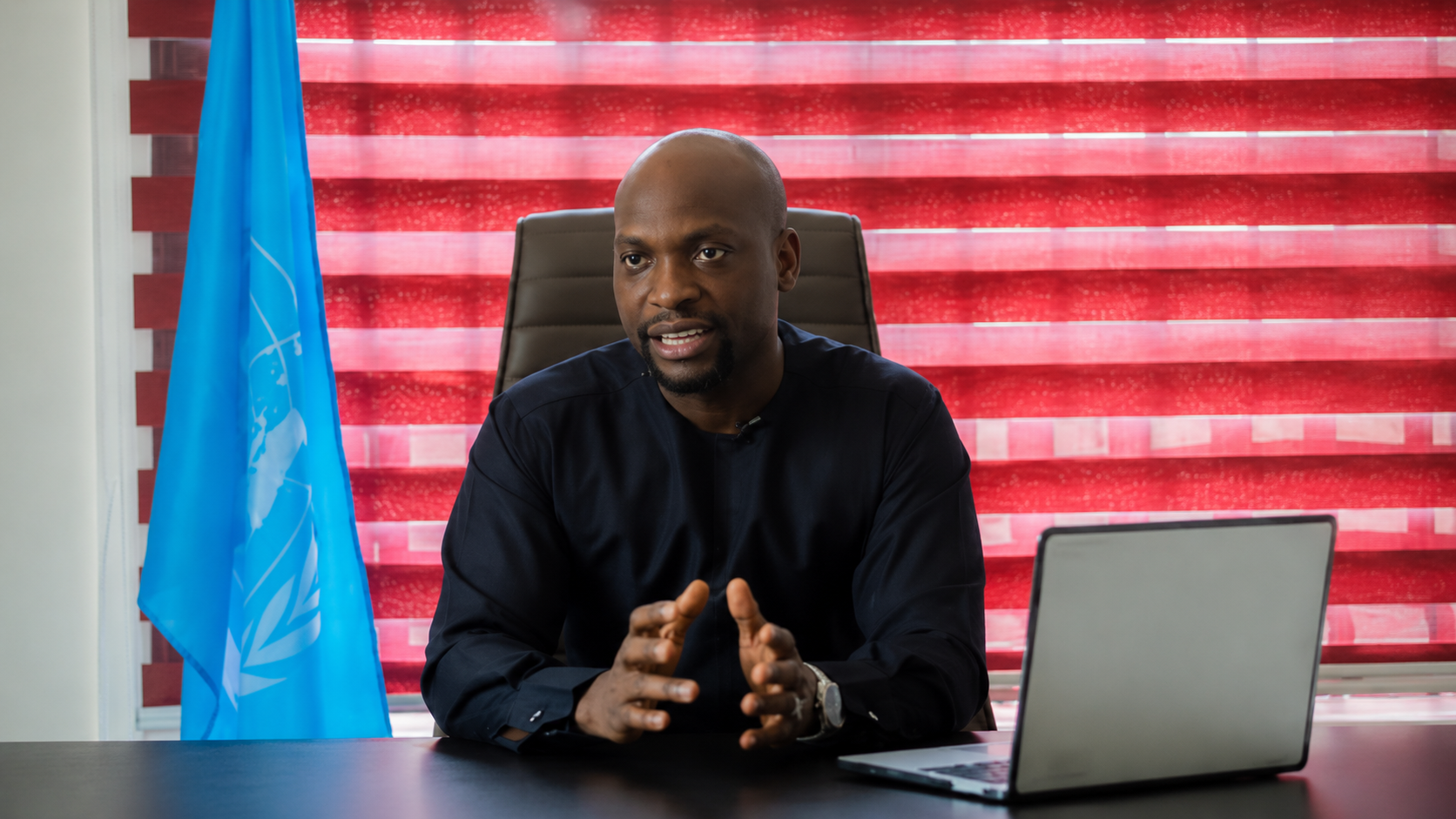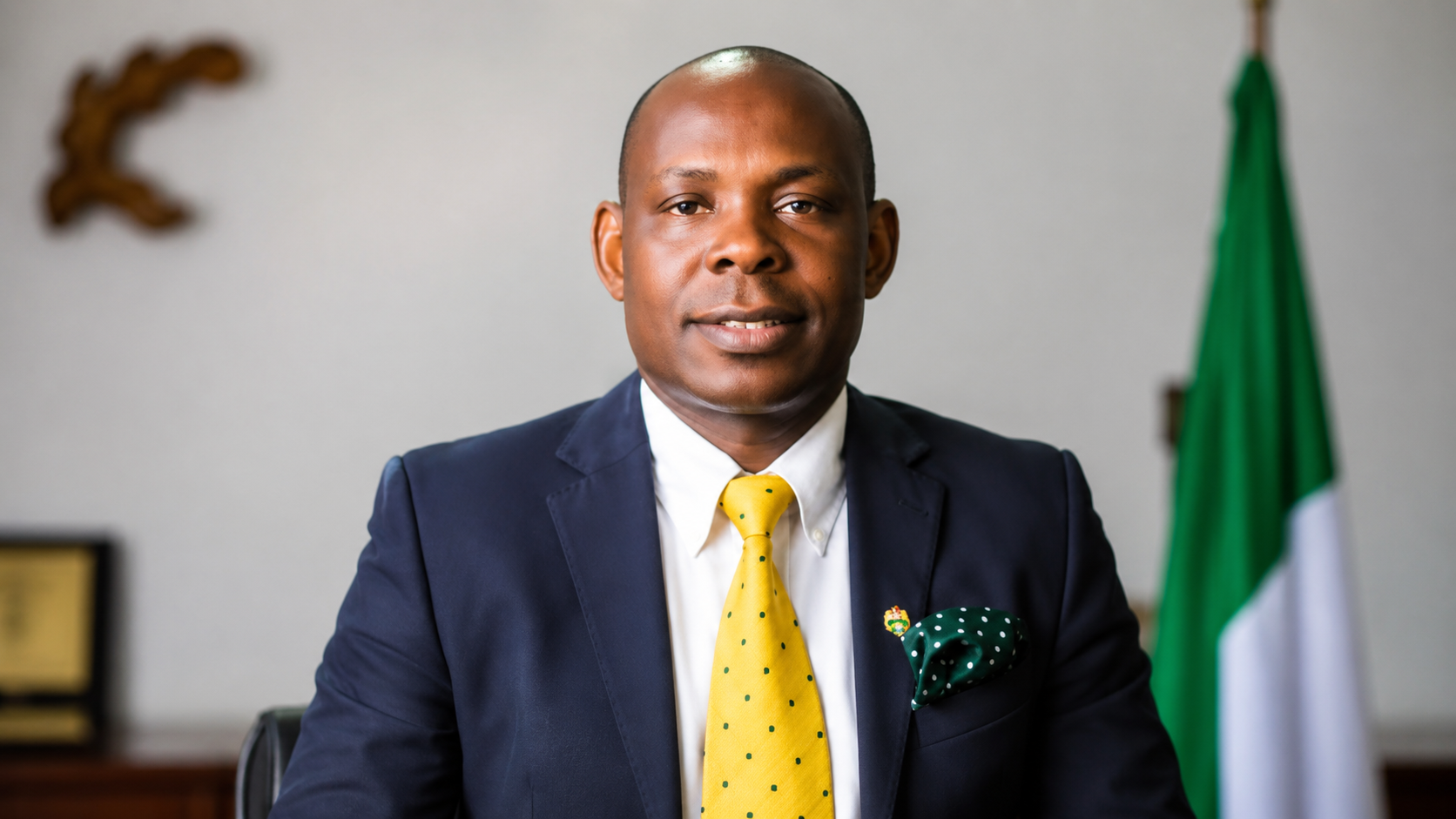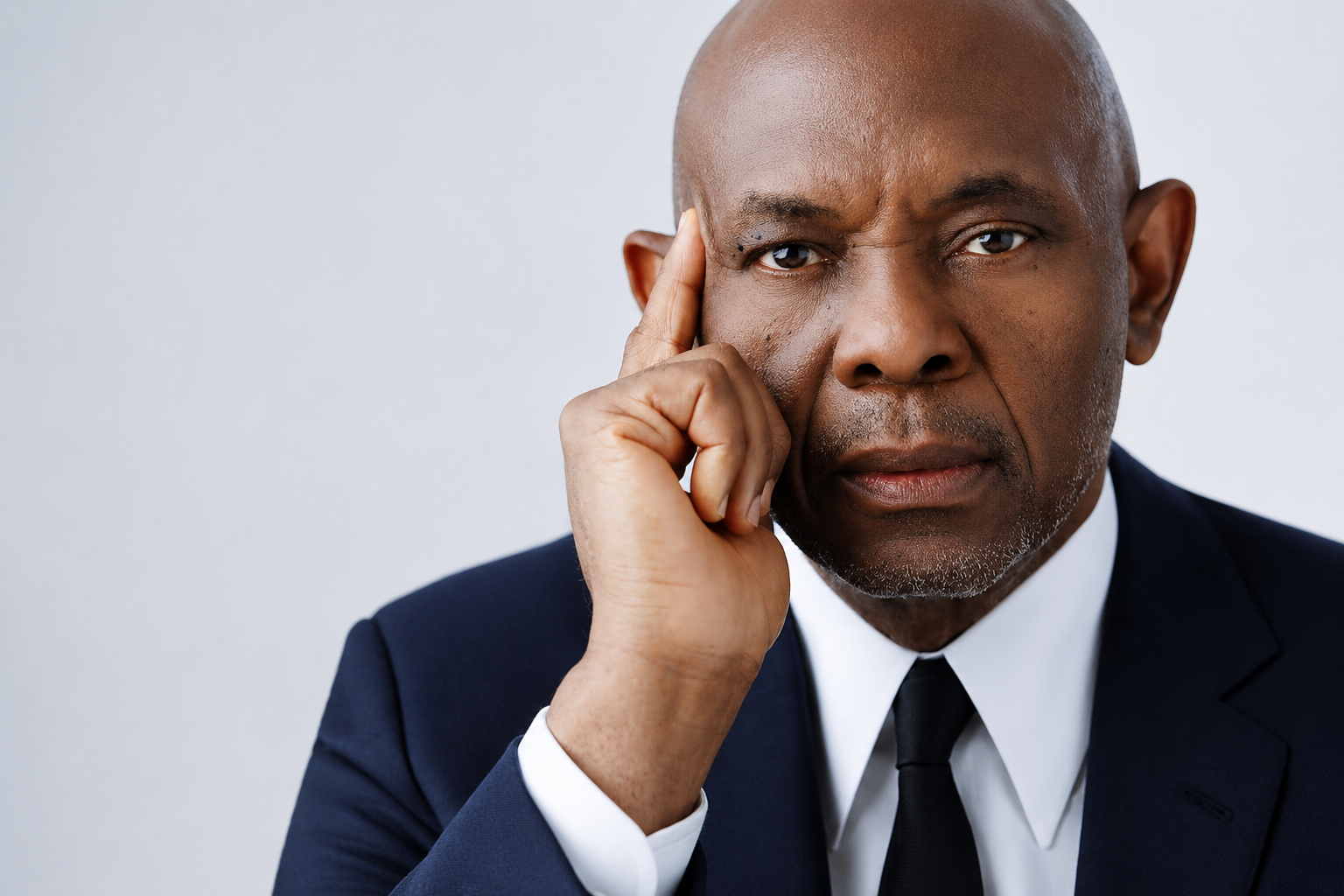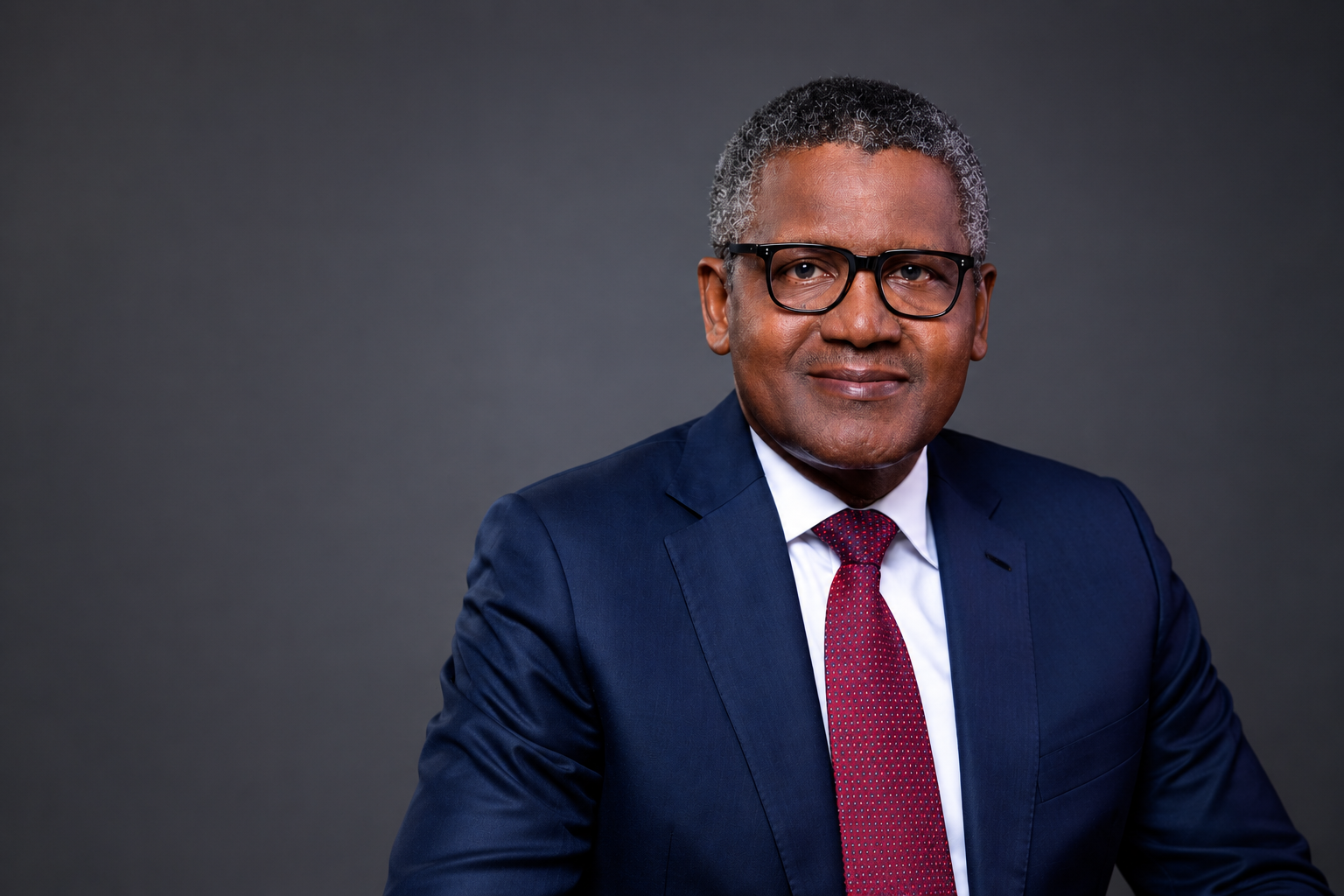
In a candid and forward-looking conversation at the International Finance Corporation (IFC), IFC Managing Director Makhtar Diop sat down with Africa’s foremost industrialist, Aliko Dangote, to unpack what it will truly take to transform Africa’s economic potential into measurable prosperity.
Far beyond a routine fireside chat, the conversation offered a rare window into Dangote’s long-term vision for the continent, one rooted not in rhetoric but in large-scale industrial execution. From energy and fertilizers to water systems, logistics, agriculture, and cross-border trade, Dangote made a compelling case for why Africa’s future must be built by Africans willing to commit capital, absorb risk, and invest with patience.
At the center of the discussion was Dangote’s belief that Africa has spent too long being described as a continent of “potential” without enough attention on the hard work required to convert that promise into economic reality.
YOU CAN ALSO READ: Inside the Journey of a Builder Who Turned Trust into a Business Model
According to Dangote, this frustration inspired the formation of the African Renaissance initiative, a platform bringing together influential African business and policy leaders committed to crafting practical solutions to the continent’s structural challenges.
He pointed to one of Africa’s most visible barriers, restricted movement. Dangote revealed that he currently requires 38 visas to travel across the continent, a reality he described as fundamentally incompatible with regional investment and trade.
Without free movement of people, goods, and services, he argued, prosperity will remain elusive.
He painted a vivid picture of the inefficiencies that continue to undermine intra-African trade, trucks stalled for days or weeks at borders, shipping costs between African cities exceeding freight costs from Europe, and airfares between neighboring countries priced beyond the reach of many Africans.
For Dangote, these are not isolated inconveniences but symptoms of fragmented markets that continue to hold Africa back.
Yet rather than merely diagnose the problem, Dangote highlighted what he believes is the real differentiator, execution.
A major part of that execution is the now-operational Dangote Refinery, a project valued at over 20 billion dollars and one of the largest single private industrial investments in Africa.
Dangote explained that the refinery was born out of a simple but urgent contradiction. Nigeria was exporting millions of barrels of crude oil daily while importing nearly all refined petroleum products.
He admitted that when he began the project, he had never worked directly in crude oil and had intentionally avoided the sector for years, viewing it as overly complex and politically sensitive. But seeing both Nigeria and the wider continent heavily dependent on imported fuel convinced him that Africa could no longer afford to outsource such a strategic industry.
Today, the refinery has stabilized production at 650,000 barrels per day, marking a major milestone not only for Nigeria’s energy independence but for Africa’s industrial credibility.
The achievement, Dangote said, has strengthened his conviction that African entrepreneurs must lead by example.
If I do not invest my own money in Africa, I cannot stand anywhere in the world and ask others to invest, he noted, reinforcing a central theme of the conversation, African-led capital is essential to unlocking global confidence.
Beyond oil, Dangote outlined an expansive industrial roadmap. His group is scaling fertilizer production with ambitions to become the world’s largest urea producer, targeting 12 million metric tons annually. Mining operations for potash and phosphate are being developed in Republic of the Congo and Brazil, while additional investments span power generation, liquefied natural gas, and deep-sea port infrastructure.
Among the most urgent priorities discussed was water.
Dangote emphasized that water infrastructure is foundational to industrialization, agriculture, and national resilience. He cited the role of treated water in operating large-scale manufacturing facilities, including his refinery and cement plants, and advocated for the rehabilitation of Nigeria’s hundreds of underutilized dams.
Reviving these water assets, he argued, could unlock irrigation, year-round farming, rural livelihoods, and conflict reduction across vulnerable regions, particularly in the Sahel.
Agriculture also featured prominently in the conversation, with Dangote describing it as one of Africa’s clearest pathways out of poverty. He stressed that agriculture is no longer simply a farmer’s occupation but a strategic business opportunity capable of generating employment at scale.
His group currently employs over 51,000 people directly and through contractors, a figure he expects to rise significantly with agricultural expansion.
The conversation also turned personal.
Dangote reflected on his entrepreneurial beginnings, recalling how he started after university by trading cement, selling four truckloads daily through family business connections. What began as a modest trading operation would eventually evolve into one of the world’s most diversified industrial conglomerates.
YOU CAN ALSO READ: Why Africa Cannot Afford to Export Raw Materials — Aliko Dangote
His story, he noted, mirrors the journey of many African entrepreneurs who begin with trade before scaling into manufacturing and industry.For Diop, Dangote’s journey represents precisely the kind of local industrial champion Africa needs more of.
Throughout the session, Diop reaffirmed IFC’s support for entrepreneurs willing to build long-term assets on the continent, emphasizing that institutions like IFC must not only provide financing but also advisory support, governance expertise, and environmental and social guidance.
Dangote was equally vocal about IFC’s role in his own growth journey, recalling the institution’s early financing support and continued partnership across multiple projects.
What emerged from the exchange was a shared conviction. Africa’s transformation will not happen through aspiration alone.
It will require functioning logistics, freer markets, deeper regional integration, better infrastructure, and most importantly, African investors willing to make bold bets on the continent’s future.
As the conversation closed, Dangote made his position clear. Africa’s next chapter must be written by those willing to build it. And for him, that work is only just beginning.