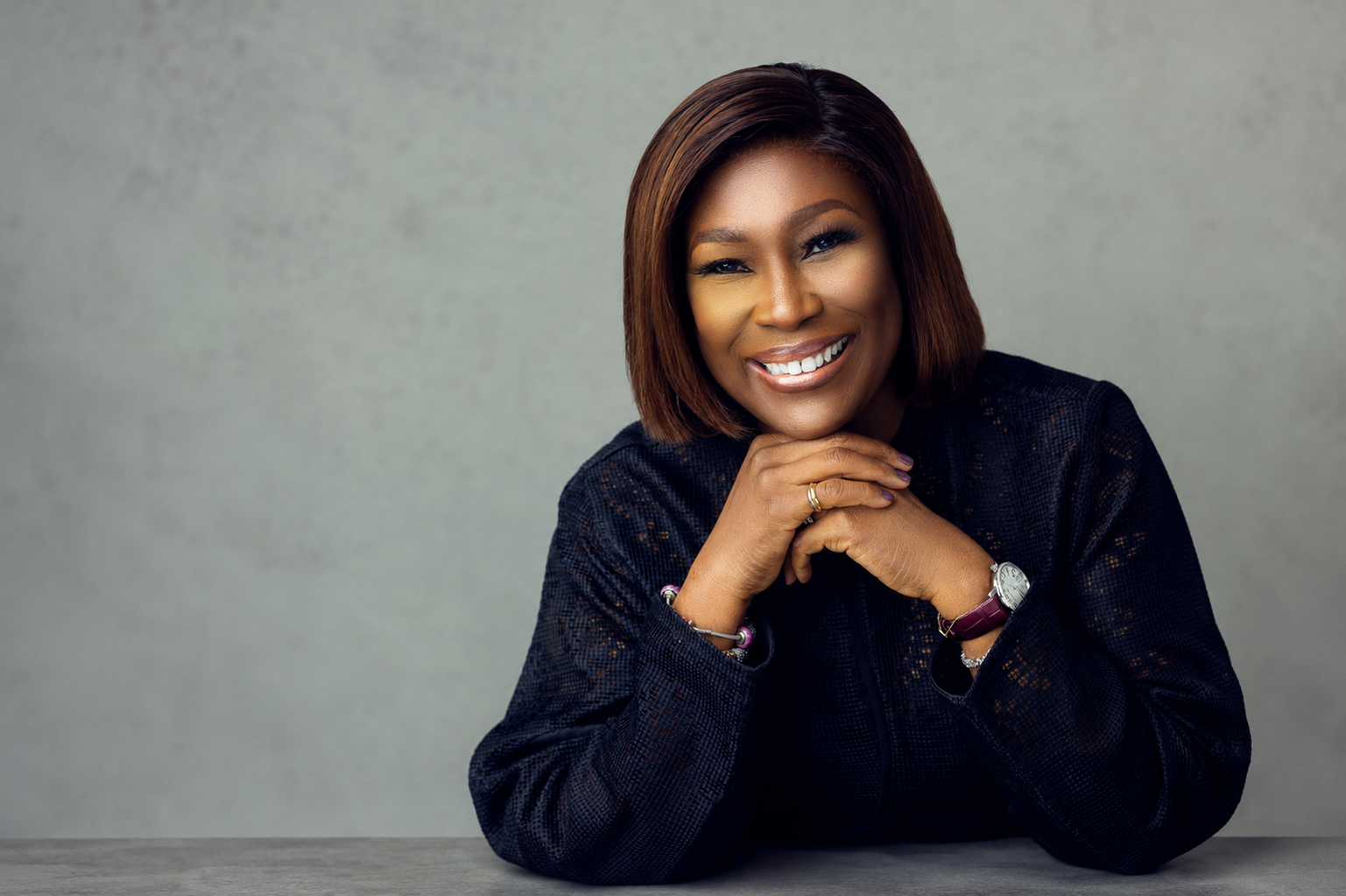
Across a continent where structural barriers have long shaped who accesses capital, networks, and influence, a new kind of ecosystem is quietly rewriting the rules of women’s economic power. One of the most compelling voices in that shift recently took centre stage on ARISE News Channel, as Olatowun Candide-Johnson, Founder and CEO of GAIA Africa, shared the origin story and expanding vision behind a platform designed to do more than connect women but to transform how they collaborate, build wealth, and lead.
The feature interview offered an intimate look into the thinking behind GAIA Africa and the urgent gap it seeks to close, which is the absence of intentional, structured spaces where Africa’s most influential women can engage each other not only socially but economically and strategically.
At the heart of GAIA Africa is a simple but disruptive premise: women thrive most when community, access, and trust converge. GAIA stands for Global Alliance for Inclusive Advancement, reflecting its mission to build a connected ecosystem where women are empowered to collaborate, grow, and scale their influence across industries and borders.
YOU CAN ALSO READ: Inside the Journey of a Builder Who Turned Trust into a Business Model
Candide-Johnson traced the origins of GAIA Africa to a lived frustration within traditional investment and corporate ecosystems. Despite years in corporate leadership, she observed a persistent absence of women in high-net-worth networks and investor pipelines. The disconnect was not just about access to capital but about visibility and intentionality. Women were networking socially but rarely with the same structure, depth, or purpose when it came to business collaboration. That gap, she believed, was leaving value and opportunity on the table.
What began in 2018 as a concept for a curated business dining club has since evolved into GAIA Africa, a private business and social membership platform designed for Africa’s top female decision-makers. The platform intentionally focuses on seniority and influence. Its flagship tier, Emerald membership, is reserved for women with at least 25 years of professional experience and a minimum of a decade in C-suite or equivalent leadership roles. A second tier, Ruby membership, accommodates women with at least 15 years of experience, many of whom also occupy senior executive positions. The segmentation is deliberate and reflects a philosophy that influence is most effectively activated when women engage peers at similar stages of leadership, while still creating structured cross-level collaboration.
One of the strongest themes to emerge from the ARISE feature was the challenge of capital access for women-led ventures. Candide-Johnson highlighted a recurring pattern where women are often offered smaller, less scalable funding amounts compared to their male counterparts, limiting ambition and structural growth from the outset. The implication is not only financial but psychological. Limited capital constrains vision and reinforces cautiousness where scale should be the objective. For GAIA Africa, the response is to build an environment where women are encouraged to think beyond comfort zones, collaborate on larger opportunities, and reimagine what scale looks like when capital is not the limiting factor.
GAIA Africa positions itself as more than a convening platform. It is an ecosystem with tangible outcomes. Members have reported transformative personal and professional shifts, from increased confidence and visibility to board appointments, investment introductions, and business partnerships formed within the community. Some members have gained access to funding opportunities through peer connections, while others credit the platform with expanding their leadership presence in ways previously out of reach. Even personal transformation is part of the story, with members describing how the environment helped them become more confident and open in both personal and professional contexts.
Despite its growing influence, building a platform of this nature has not been without operational strain. Candide-Johnson pointed to three persistent challenges: talent acquisition, capital constraints, and the complexity of delivering a high-touch membership experience that blends business programming with hospitality. Because GAIA Africa operates at the intersection of community, events, and executive engagement, it requires a level of service infrastructure that is both specialised and resource-intensive. Finding people who understand and can execute that vision remains an ongoing task.
YOU CAN ALSO READ: Africa’s Future Will Be Built by Africans, Dangote Tells IFC
Funding remains the most significant constraint. Traditional capital pathways are not always aligned with the structure or ambition of such a model, prompting the need for alternative expansion strategies.
Looking ahead, GAIA Africa’s vision is deliberately expansive. The platform aims to deepen its influence across Africa, scale into at least two additional major cities within the next eight years, and build a strong digital membership ecosystem that extends its reach beyond physical borders. The long-term goal is not simply growth in numbers but the creation of a continent-wide infrastructure for women’s leadership, collaboration, and economic power.
In a landscape where women’s access to capital and influence has often been fragmented, GAIA Africa is positioning itself as something different, a curated economy of trust, leadership, and intentional power building.