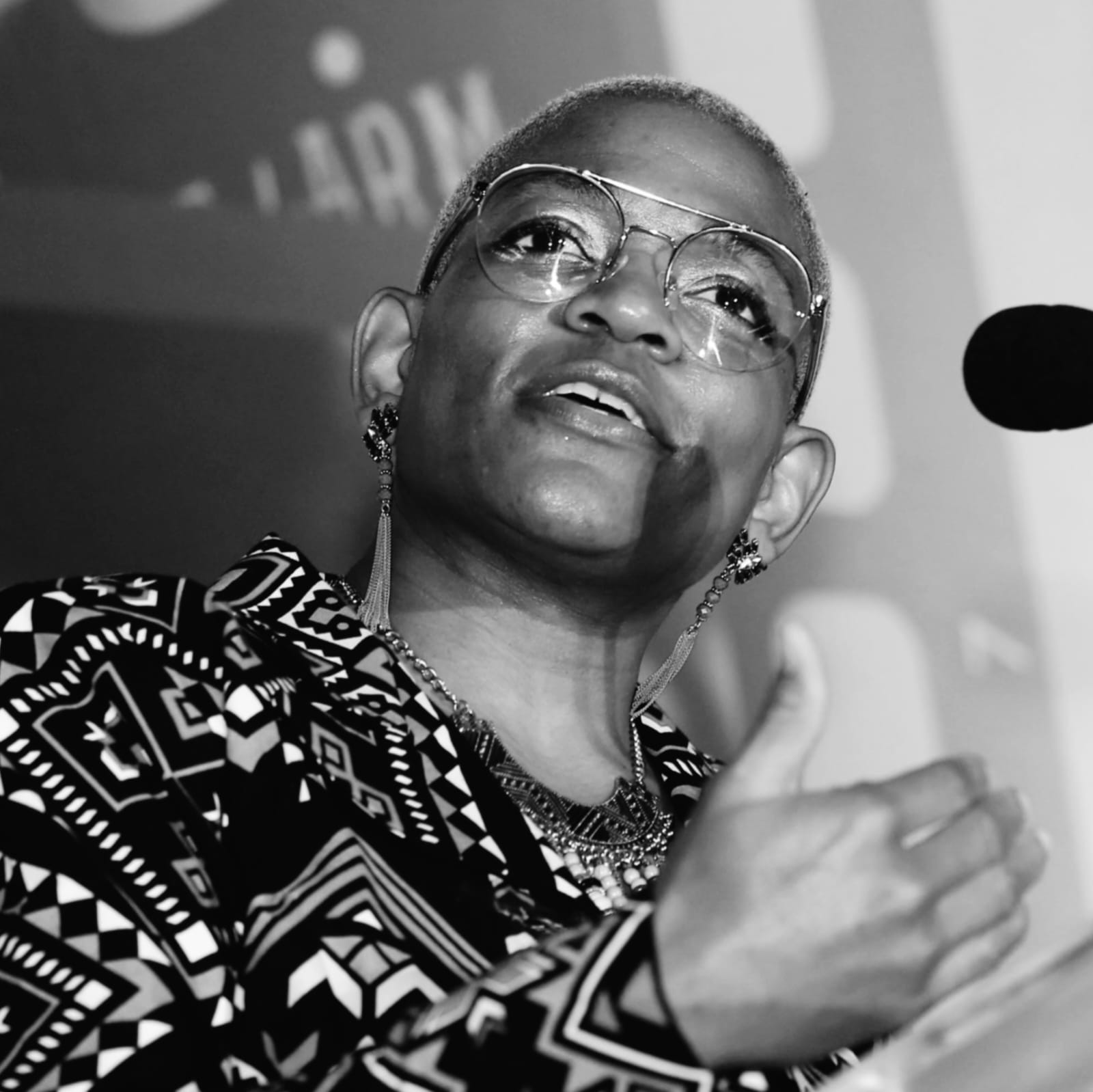
Gregory September
Africa sits at the heart of the world’s economic engine, its lands rich with minerals, energy sources and resources that drive global industry and innovation. Yet, for all its abundance, the continent continues to run on little more than hope.
As the world races towards clean energy and digital transformation, Africa remains the major global supply hub for critical minerals such as cobalt, lithium and rare earth elements, the very materials that power electric vehicles, smartphones and renewable energy systems. But despite this crucial role, the continent’s economies remain underdeveloped, its people exploited, and its infrastructure lagging far behind its potential.
Africa fuels global progress, yet gets almost nothing in return. The world runs on Africa’s minerals while Africa runs on hope. This is not a new reality; it is a persistent cycle of under-recognition, underinvestment and underdevelopment.
YOU CAN ALSO READ: Inequality in Africa Was Engineered, Not Accidental
As a motivational social entrepreneur, coach, consultant and change advocate, I have seen how Africa’s structural imbalances continue to deny it the chance to fully benefit from its natural wealth. Through my work and as co-founder of the Sustainability Awareness and Upliftment Projects NPC (SAUP), a nonprofit organization that promotes sustainability and community empowerment, I have come to understand that Africa’s underperformance is not a result of a lack of potential, but of systemic barriers that prevent fair participation in the global economy.
While Africa’s natural resources power industries across continents, the people who live above these riches see little of the value. The lack of investment, poor infrastructure and limited industrialization prevent the continent from capitalizing on its opportunities.

Most African governments still export raw materials instead of developing industries around them. This model perpetuates poverty, unemployment and dependency, a cycle that hinders youth empowerment and skills development. As a result, our growth remains stifled by poverty and inequality, high youth unemployment, low investment in infrastructure and skills, and dependence on imports and foreign aid.
These challenges are not accidental. They stem from international trade and bilateral agreements that favor external powers. The structure of these relationships often ensures that Africa’s economic advantage is diluted before it can translate into local prosperity. In many ways, this imbalance is worse than colonization because it keeps Africa economically dependent while maintaining the illusion of sovereignty.
By 2026, Africa’s GDP is projected to reach $3.32 trillion, a modest figure compared to its vast potential. In contrast, the United States will retain its lead at $31.8 trillion, nearly ten times Africa’s total. China, Germany and India follow at $20.7 trillion, $4.7 trillion and $4.2 trillion respectively. Despite steady growth, Africa’s economic size remains small, and advanced economies continue to grow by benefiting from Africa’s resource exports without equitable returns to the continent.
Africa’s reserves of oil, gas and renewable energy sources are among the most significant in the world. Southern Africa alone holds nearly one third of the world’s critical mineral reserves, making the continent indispensable to the global energy transition. Yet Africa remains one of the least industrialized regions on the planet, with true wealth leaving its shores long before transformation begins.
YOU CAN ALSO READ: From Ownership to Purpose: Ajay Wasserman’s Vision for Responsible Capital
There are five realities we must reflect on as Africans. First, we supply the world’s energy and minerals. Second, we remain the least industrialized region globally. Third, we hold one of the youngest populations in the world. Fourth, our economic growth emerges from a very low base. And fifth, true wealth leaves our continent before transformation even begins.

To correct this imbalance, Africa’s growth agenda must align with the Sustainable Development Goals (SDGs) that reflect its current reality. SDG 7 on Affordable and Clean Energy demands that Africa’s renewable potential not only power the world but transform local economies. SDG 8 on Decent Work and Economic Growth calls for stronger infrastructure and fair trade that retain real value. SDG 9 on Industry, Innovation and Infrastructure emphasizes the need for local production and value addition. SDG 10 on Reduced Inequalities promotes fair returns for Africa’s people. And SDG 17 on Partnerships for the Goals stresses collaboration built on accountability and shared prosperity.
Africa holds the keys to the world’s clean future. But for the continent to thrive, it must shift from being a resource supplier to a value creator, one that builds industries, invests in people and demands equitable partnerships.
Until then, Africa’s story will remain one of paradox, a land that fuels the world’s progress yet still waits for its own transformation.
Gregory September, Academic, Author, Researcher and Geopolitical Expert