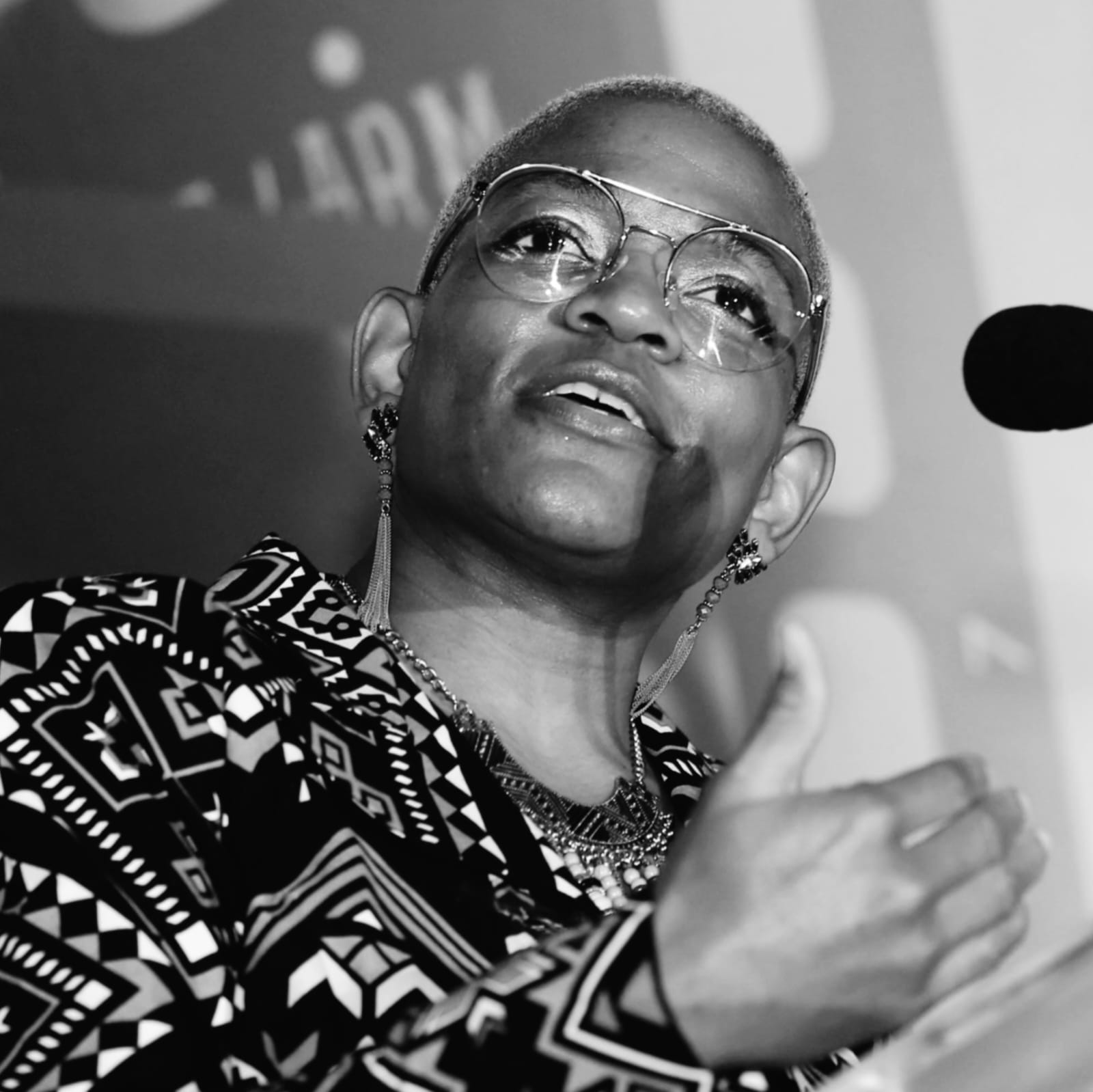
Nigeria’s food security crisis is deepening, and few voices capture the urgency of the moment as powerfully as award winning entrepreneur, investor and Africa advocate Ada Osakwe. As new UN backed data warns that more than 34 million Nigerians could go hungry in the coming lean season, Osakwe’s two decades of experience across private equity, agricultural finance, public policy and entrepreneurship place her at the center of the national conversation.
For Osakwe, the latest statistics are not a surprise. She has spent years financing agribusinesses, designing agricultural investment funds, mentoring founders and building her own company, Nuli, into one of Nigeria’s leading natural beverage brands and healthy food cafe chains. Her perspective blends hard data with lived experience. “This crisis did not emerge overnight,” she said. “We are paying for years of underinvestment, weak policy execution and insufficient support for the people who feed this nation.”
YOU CAN ALSO READ: ‘AI Adoption, Not Invention, Will Decide Global Winners’ – Rishi Sunak
Osakwe’s credibility extends far beyond her success as an entrepreneur. She has structured agricultural private equity funds across Africa, advised governments on food policy and backed 14 early stage startups in food manufacturing, agtech, retail and fintech across Africa and the United States. Her investments reflect a belief that Africa’s food system can be both resilient and profitable if scaled correctly. Yet she has watched too many high potential ideas struggle due to unstable regulations, logistics bottlenecks, poor infrastructure and slow adoption of innovation. “We do not have an innovation problem,” she noted. “We have an adoption problem. Nigeria has talent and ideas. What we lack is the infrastructure and consistency that help good innovations grow.”
Behind the statistics, Osakwe sees the human toll: families skipping meals, young people abandoning farming communities, small businesses folding under rising food costs. Although she speaks from a background in finance and development economics, her advocacy is deeply rooted in empathy. “This is not just an economic problem,” she emphasized. “This is a human problem. Millions of Nigerians are living the consequences of our collective inaction.”
Having helped design agricultural financing vehicles across the continent, Osakwe believes that meaningful progress requires bold investment from both government and the private sector. She describes the current moment as an opportunity for catalytic capital to shape the country’s future. “Government cannot do everything,” she said. “We need blended finance and investors who are willing to take smart risks. Food security is national security and the private sector must step up.”
Osakwe also champions the power of indigenous crops, a philosophy she has built into Nuli’s operations. She often highlights crops like sorghum, millet and fonio as climate resilient, culturally significant and economically promising. To her, these crops represent the blend of identity, nutrition and sustainability that Nigeria urgently needs. “We must build pride in our agricultural heritage. Our local crops can feed us and position us competitively on the global stage.”
YOU CAN ALSO READ: “Presence, Not Provision”: Bunmi Adeniran Urges Society to Redefine What Makes a Good Man
As Nigeria heads toward what could become its most challenging food season in years, Osakwe’s voice carries a message that is both urgent and hopeful. The nation, she insists, has enough talent, land and entrepreneurial drive to secure its food future, but only if action matches ambition. “We need leadership that listens. We need policies that outlive political cycles. We need investments that match the scale of the crisis.”
In a moment defined by grim numbers, Ada Osakwe offers something rare: a clear roadmap grounded in experience, innovation and unwavering belief in Africa’s potential. Her message is unmistakable. Nigeria can overcome its hunger crisis, but only with bold decisions, sustained investments and a renewed commitment to the people who grow, process and protect the nation’s food.