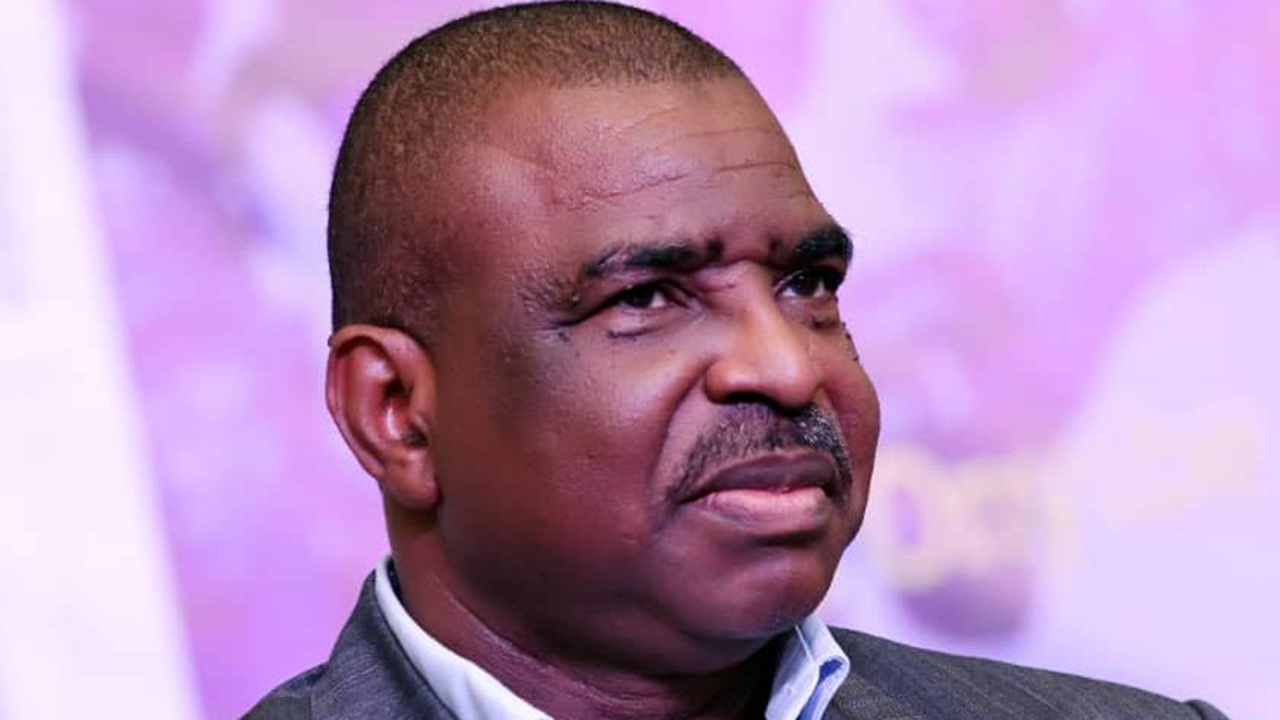
Africa has the potential to become the world’s artificial intelligence hub, according to the President and CEO of Inspire Group, Magnus Onyibe shared his insights on the final day of the ninth edition of the Future Investment Initiative in Riyad, emphasizing the continent’s demographic advantages and the urgent need to address fundamental infrastructure challenges to make this vision a reality.
Speaking with Arise News’ Horizon News, Onyibe highlighted Africa’s existing contribution to global human resources. “Right now, informally, Africa, and Nigeria in particular, is supplying the world with personnel in medical services. Our doctors, nurses, and technicians are all over the globe. That trend started in the Middle East long before Europe and the United States adopted it. About twenty years ago, countries like Saudi Arabia and Oman were coming to Nigeria to recruit nurses,” he said.
YOU CAN ALSO READ: ‘Bold Leadership, Smart Investment Can Solve Nigeria’s Hunger’ – Ada Osakwe
Onyibe drew a direct connection between Africa’s success in exporting medical talent and its potential in artificial intelligence. “Leaders around the world recognize that Africans have the innate ability and skill to work in AI. Artificial intelligence is a combination of technology and human knowledge, and it cannot function without a strong human resource base. About sixty-five to seventy percent of Africans are youth, who are naturally adept at using AI. The strategy is to harness Africa’s skills and energy for a more inclusive world, under the theme of prosperity.”
He acknowledged the challenges facing Africa, particularly youth unemployment and the digital divide. “For Africa to become truly productive, the basics have to be in place. Take Nigeria as an example. We have 220 million people but only distribute about 5,000 megawatts of electricity. Without sufficient power, we cannot industrialize, we cannot be productive, and we cannot implement AI effectively.”
Onyibe stressed that electricity is central to retaining talent and enabling economic growth. “Generation and distribution have been privatized, but transmission has not. This is the weak point. A proper handover and unified management of all three could solve the issue. Even if prices rise because of subsidy removal, people can adjust as long as there are proper social safety nets. Programs like scholarships or loans for education allow households to invest in essential services such as electricity.”
Education is another key component, Onyibe said, and Africa has the opportunity to leapfrog traditional barriers. “Africa can develop the skills needed for AI through structured learning that leverages technology. The private sector is ahead of public education, but alternative learning models, such as online education, can help democratize access to AI skills. Rural populations, once they have electricity, can access education and AI training, opening opportunities that were previously out of reach.”
YOU CAN ALSO READ: How Bitcoin Mining is Becoming the Backbone of the AI Era
Reflecting on Africa’s historical opportunities, Onyibe added, “We missed chances in past industrial revolutions, but we caught up in telecommunications. Now, we must sustain momentum in AI adoption to avoid being left behind. Even in countries with advanced AI adoption, poverty exists. Infrastructure and inclusion are critical to leveraging AI skills across all communities.”
Looking to the future, Onyibe remains optimistic. “Advancement is possible. Part of the conclusion of the conclave was to set up a WhatsApp group to meet every three months to discuss AI development. I am proposing that the next Future Investment Initiative be held in Nigeria to focus on Africa as the next frontier. The potential is here, the talent is here, and with the right infrastructure, Africa can lead in AI.”