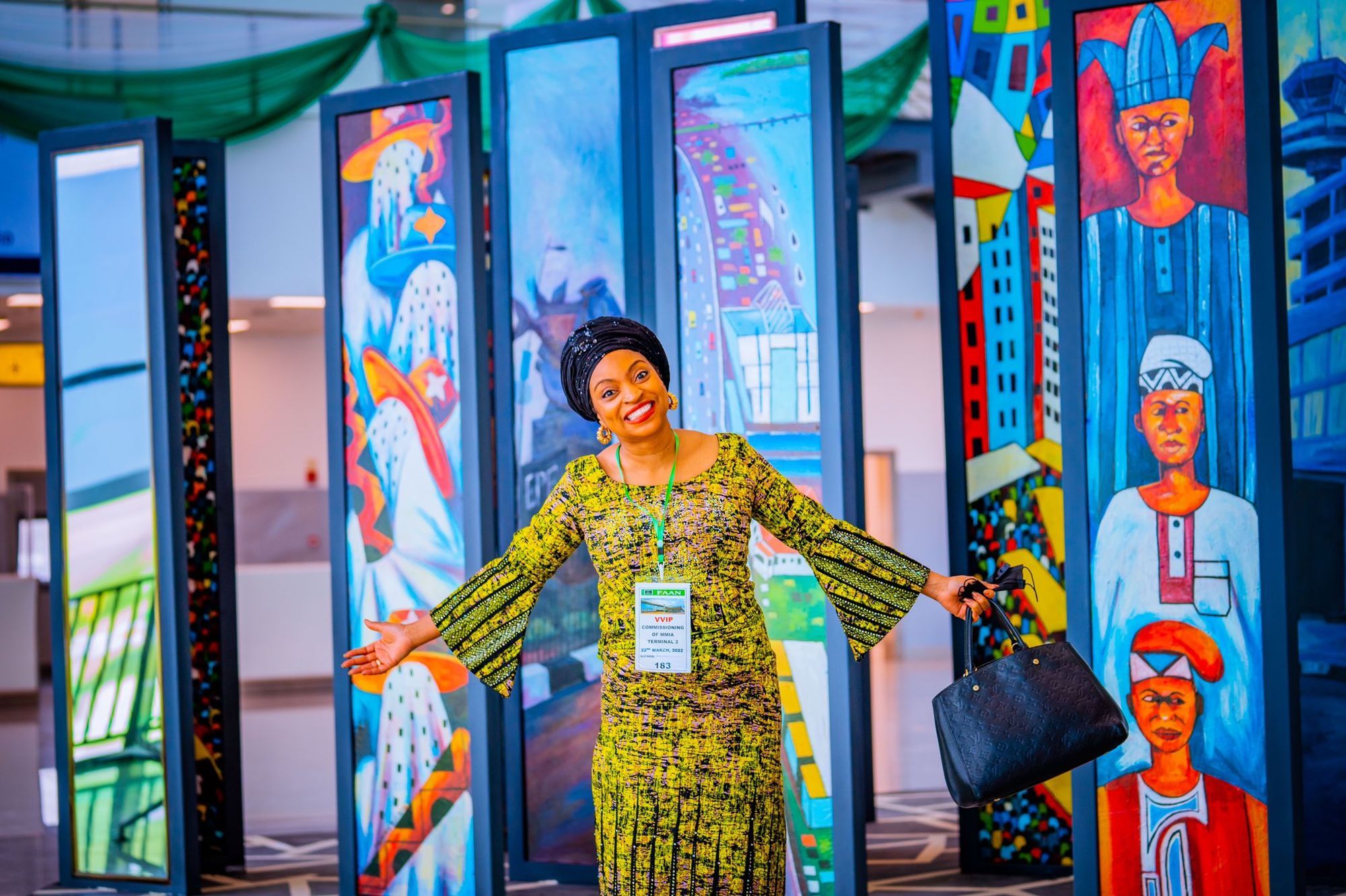
At the second edition of the Lagos International Theater Festival, the atmosphere felt like the heartbeat of a cultural renaissance. The week-long celebration, held from November 10 to 16, drew artists, diplomats, creatives and theater lovers from around the world, yet the unmistakable force at the center of it all was Bolanle Austen Peters.
Austen Peters, a lawyer turned filmmaker, director and one of Nigeria’s most influential cultural entrepreneurs, described the festival as a “melting pot of energy that Nigerian theater has not seen in years.” She recalled an opening night that attracted more than 800 diplomats, saying, “We had consular generals, heads of government, royalty, people from different worlds coming together to celebrate theater.”
YOU CAN ALSO READ: ‘Football Unites the World’ Inside Gianni Infantino’s Vision for the Global Game
From the British Consulate to local cultural houses, institutions across Lagos hosted six packed days of performances, workshops and artistic collaborations. Even Ki’s restaurant transformed into a hub for theater and food. One unforgettable moment was the Lagos State Governor dancing onstage. “He was gracious enough to show that showcasing talent is nothing to be ashamed of,” Austen Peters explained. The clip went viral and added to the excitement around this year’s edition. Nancy Isime, originally billed to host, insisted on joining the cast on stage. “She insisted and she delivered brilliantly,” Austen Peters said.
The MUSON Centre became the festival’s creative playground as Austen Peters and her team transformed the space into six distinct theaters including Shell, Ajib, Lascala and three outdoor spaces. “Many people could not visualize it at first,” she noted, “but the transformation was beautiful.” The Director of the South African State Theater praised the Lascala setup for its imaginative use of space and described it as the kind of environment where theater truly thrives.
For Austen Peters, the boldness of younger performers defined this year’s edition. She highlighted The Wait, a musical featuring three actors in their early twenties. “It was beautifully done. The younger generation really stood out,” she said. Another highlight was Seki, brought in from Port Harcourt, which left audiences amazed. “Non Nigerians who saw it said this must come back,” she recalled. Children’s shows sold out completely and her own play, My Boyfriend Calls Me Ma, exceeded 1,000 attendees. “We had to close the doors. People were standing outside agitating to come in. That is the new reality of Nigerian theater.”
Austen Peters believes the industry has crossed from struggle into revival. “We have passed that phase,” she said. “Twenty years ago a few of us started this journey. In the last seven or eight years things truly began to shift.” The festival has broadened the ecosystem and given room for other production houses to gain visibility and sell out their shows. “It is no longer about me,” she said. “We have created room for others and the energy is electric.”
She attributes the success of her model to consistency, refusal to compromise on quality, setting high standards and using music to connect with younger audiences. “Sponsors go where people are going. When they saw 10,000 people attending in a weekend they came on board,” she added.
YOU CAN ALSO READ: Nigeria’s Tax Reset: How Taiwo Oyedele Plans to Make Taxes Fair, Transparent, and Less Painful
On whether this model can be replicated beyond Lagos, she believes it is possible but only with deeply committed individuals. “The private sector must lead this. You need multiple Bolanles across Nigeria,” she said. The festival also demonstrated that infrastructure is not the biggest barrier. “We have deconstructed theater. You do not need a massive stage or heavy equipment. You need a compelling story that reflects society.”
As Lagos strengthens its role as a continental creative hub, Austen Peters noted the growing mix of audiences including young Nigerians, corporate supporters, expatriates, returnees and multicultural communities. “The type of crowd we see now is unprecedented,” she said. For her, the momentum building around Nigerian theater is no longer just a revival. It is becoming a cultural shift.