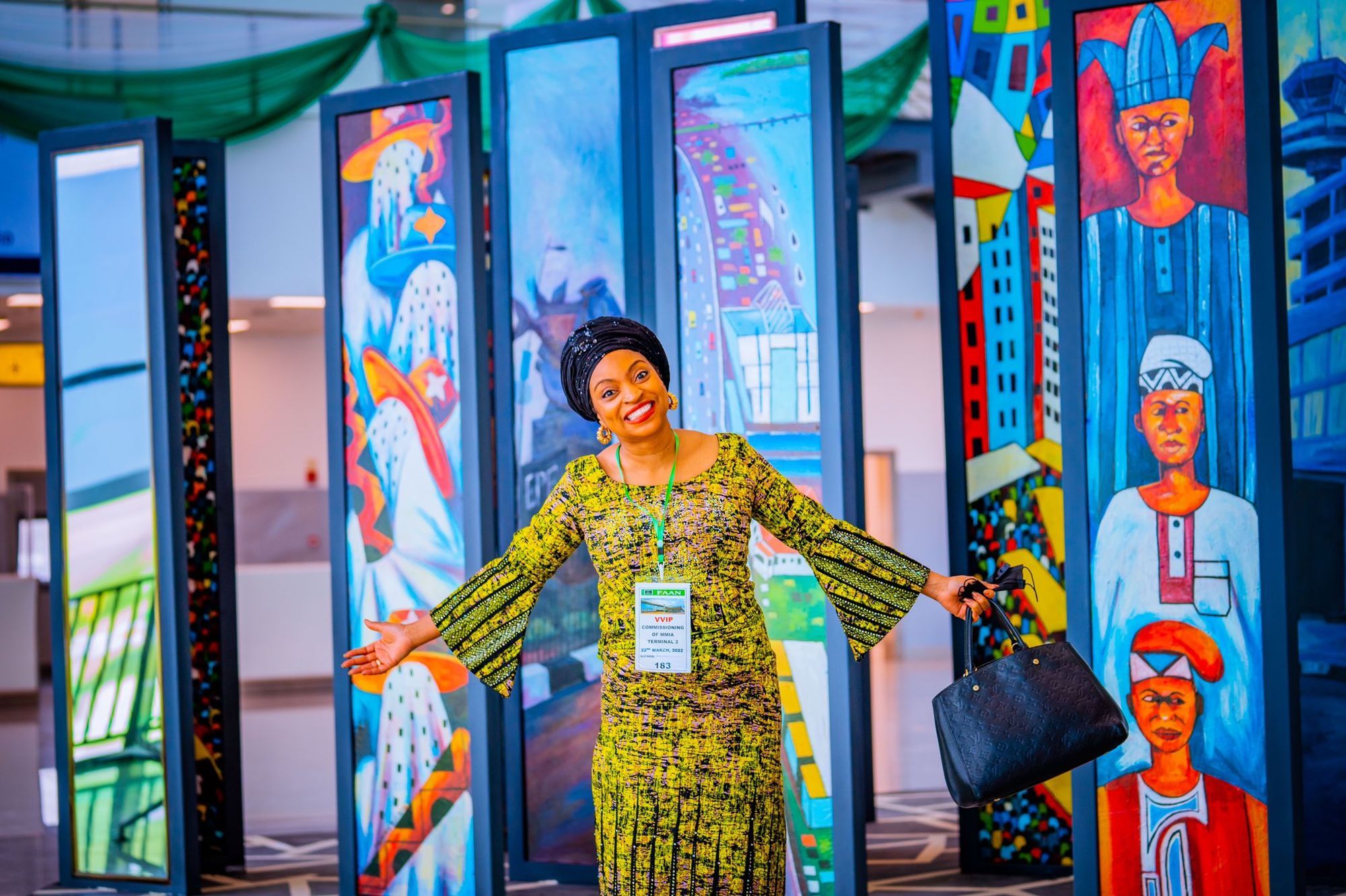
The conversation at the LIMBSimple Strategy Growth Convention had been intense long before her session began, but when Ini Abimbola, the Founder and CEO of ThistlePraxis Consulting, stepped forward, the room shifted. It was not because she spoke the loudest, but because she carried the kind of clarity and conviction that only deep experience produces. What followed was not just a keynote, but a wake-up call for every founder who still manages their business the same way they did in year one.
Abimbola’s message was clear: innovation is impossible without evolution. “You can’t innovate if you refuse to evolve,” she told the audience, reminding them that the biggest threat to business growth is often the founder who refuses to change. She challenged business owners to confront a difficult truth. Many remain stuck in the operator stage long after their companies should have matured. “If you are still managing day-to-day details every single day, then something is wrong,” she said. To her, any founder still signing off petty cash after ten years is not leading but micromanaging.
YOU CAN ALSO READ: Beyond the Hustle: Fate Foundation Charts Path for Policymakers to Unlock Nigeria’s $1 Trillion Economy
Her insights were backed by personal experience. She described the moment she realized she had reached her own leadership ceiling. When her company turned six in 2020, she stepped back, not because the business was struggling, but because it had reached its original vision. The next level required a different version of her. “To go further, I needed to re-engineer myself and bring in people who were already operating at that next level,” she explained. It was a bold shift that many founders are either afraid to attempt or unwilling to consider.
Abimbola pointed out that founders often build their companies on hustle, instinct, and proximity to operations. This approach works in the early years but becomes a trap if they fail to grow beyond it. “When the founder is the business and the business is the founder, growth will always hit a ceiling,” she said. Her explanation of strategic leadership drew a clear distinction between working in the business and leading the business. It is the point where the organisation can run smoothly even in the founder’s absence.
The room grew even more attentive as she addressed key-man risk with a deeply personal moment. She recalled the Dana Air crash, a flight she was originally scheduled to take. The incident forced her to confront an uncomfortable question: What would happen to everything she had built if she had not survived? The experience changed her leadership philosophy. “If you don’t decentralize, you become a key-man risk,” she said. “Investors avoid such businesses.” It was a powerful reminder that sustainability is not just about profit but about ensuring continuity.
She then shared the succession structure she rebuilt through a method she called funneling, a process of identifying leadership potential across all levels of the organisation, not just at the top. One of these hidden talents eventually became her General Manager, now responsible for daily operations while she focuses on board-level strategy.
Throughout her session, her advice remained practical and actionable. She emphasized the need for repeatable systems, leadership pipelines, and a clear approval structure that prevents founders from becoming bottlenecks. She described her own model: she does not sign anything below five million naira. Two signatories manage that level. Anything above goes to her. Anything above ten million goes to the board. In her words, that is what structure looks like.
YOU CAN ALSO READ: The Chew Brothers: From No Degrees to a $1.3 Million Enterprise
She encouraged founders to balance daily operations with long-term positioning, citing her Run, Grow, Expand model as a guide. Her global opportunities, including teaching sustainability in Austria and leading a green-bond project in Nigeria, only became possible after she stepped away from operational overload and embraced strategic clarity.
By the end of her session, the room had shifted from note-taking to introspection. Ini Abimbola had not simply delivered a speech. She had delivered a challenge. Her message left founders thinking differently about their roles, their structures, and the future of their businesses.