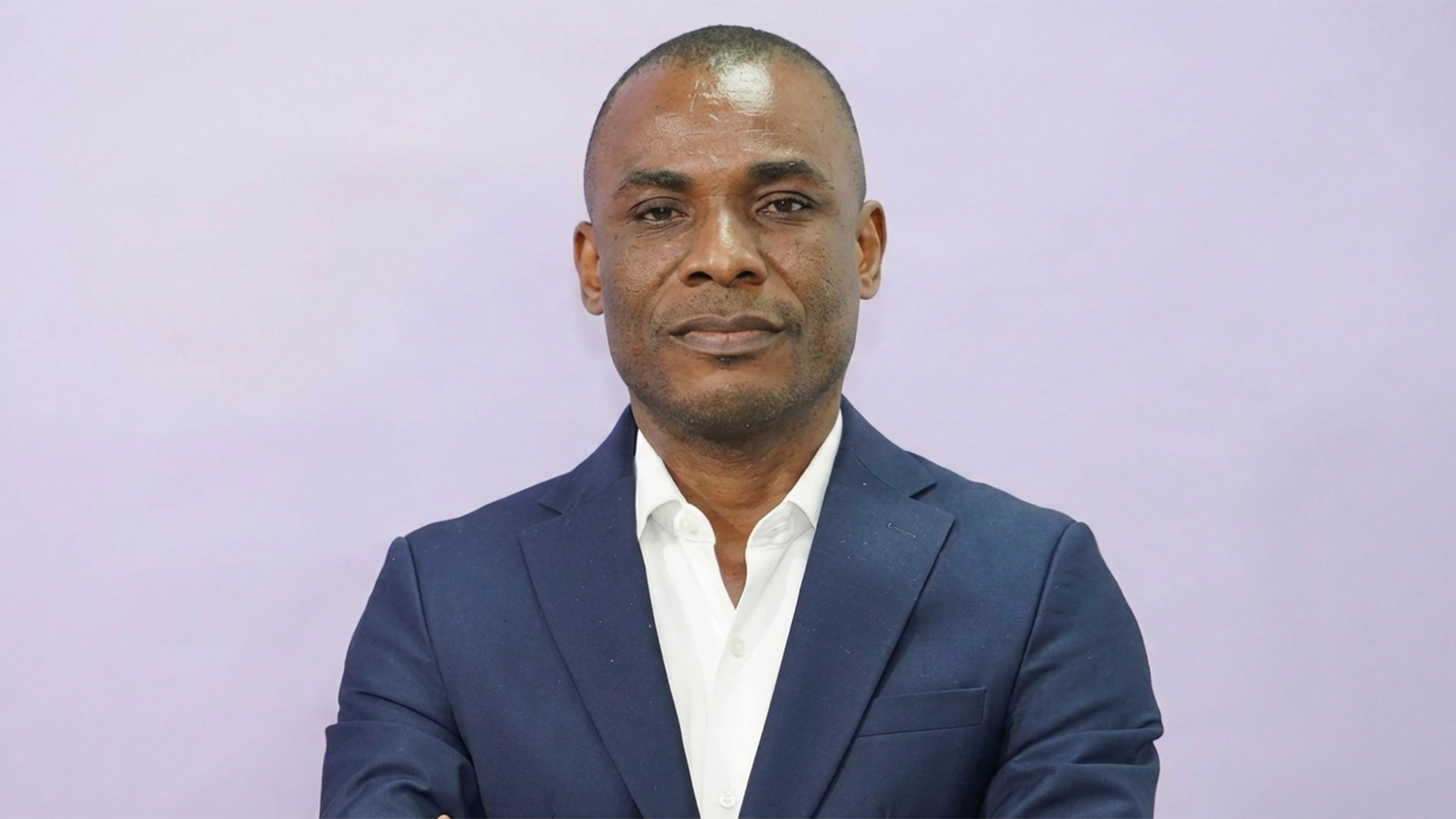
In a defining moment for Nigeria’s fiscal architecture the Executive Chairman of the Nigeria Revenue Service, Dr. Zaccheus Adedeji is leading one of the most ambitious overhauls of the country’s tax system in decades. The reform agenda, which officially took effect this January, is aimed at fostering fairness, boosting compliance, and modernizing revenue administration at a time when Nigeria faces mounting economic pressures and rising expectations for governance.
Since the Nigeria Tax Reform Acts were signed into law and the transition from the Federal Inland Revenue Service to the Nigeria Revenue Service commenced, Adedeji has been at the centre of intense national discourse. From public debates to media scrutiny, the reforms have attracted both anticipation and concern. For Adedeji, however, the task is clear: to build a tax system that supports development without overburdening citizens.
YOU CAN ALSO READ: What African CEOs Are Telling Their Teams in January – and Why It Will Define the Year
According to him, the reforms are not designed to extract more from Nigerians but to correct longstanding structural weaknesses. He has repeatedly emphasized that the goal is to tax more efficiently and equitably, not aggressively. The new framework, he explains, reflects a commitment by the current administration to strengthen fiscal sustainability through transparency, simplification, and improved compliance.
Adedeji has been particularly firm in addressing claims that the reforms were introduced without due process or that provisions were altered after legislative approval. He maintains that the only valid legal instrument guiding implementation is the gazetted law passed by the National Assembly. Any assertions of unauthorized changes, he argues, misunderstand how Nigeria’s legislative system functions and risk distracting from the substance of the reforms.
A major concern among Nigerians has been the potential impact of the new tax regime on low-income earners. Adedeji insists that the reforms deliberately protect the most vulnerable. He points out that the vast majority of low-income Nigerians remain exempt from personal income tax and that value-added tax has been removed from essential food items and transportation. These measures, he says, are meant to ease cost-of-living pressures while ensuring that revenue collection remains fair and progressive.
Beyond policy changes, the transformation of the tax authority itself is a central pillar of the reform. The Nigeria Revenue Service, according to Adedeji, represents a comprehensive institutional upgrade rather than a cosmetic rebranding. The focus is on centralization, digitalization, and data-driven administration, designed to replace a fragmented system that previously limited efficiency and transparency. While acknowledging public concerns about the reliability of digital systems, he maintains that the transition is built on existing infrastructure and strengthened safeguards.
The reforms have also drawn attention to Nigeria’s engagement with international tax authorities, particularly in areas such as digital taxation and transfer pricing. Adedeji has defended these collaborations as standard global practice, stressing that they do not compromise national sovereignty or taxpayer confidentiality. He likens tax data protection to medical confidentiality, noting that access is governed strictly by law.
Education and communication remain critical challenges. Adedeji has acknowledged that tax reforms of this scale can only succeed if Nigerians understand them. He has called for sustained public engagement, simplified explanations of the law, and collaboration with the media and civil society to counter misinformation and build trust.
YOU CAN ALSO READ: Femi Otedola Urges CBN to Raise Minimum Capital for International Banks to ₦1 Trillion
As implementation continues, Adedeji urges Nigerians to judge the reforms by their outcomes rather than the noise surrounding them. For him, the transformation of Nigeria’s tax system is a long-term investment in national stability and economic growth. It is an effort to modernize revenue administration, strengthen trust between the government and citizens, and create a framework capable of supporting Nigeria’s development ambitions.
For Dr. Zaccheus Adedeji, the responsibility extends beyond policy execution. It is about leadership, clarity, and confidence in a system that must work for both the state and its people. At a time of economic uncertainty, his task is to ensure that Nigeria’s revenue reforms deliver not just higher compliance, but greater credibility and shared prosperity.