As Nigeria steps into 2026, it does so burdened by deepening poverty, relentless insecurity, and an increasingly tense political climate. The optimism that often accompanies a new year is tempered by the realities of 2025, a year marked by economic strain, political realignments, and rising public disillusionment.
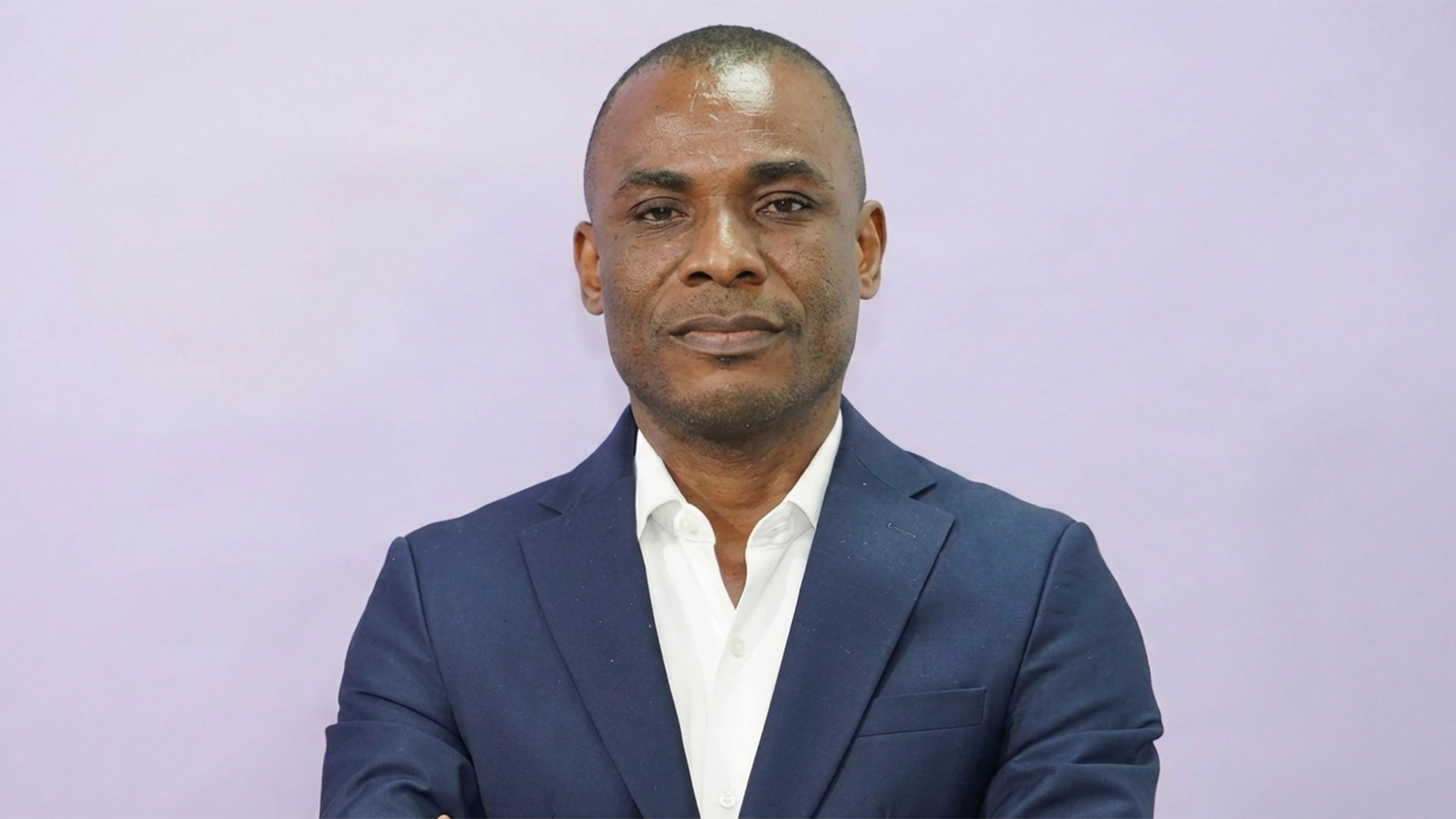
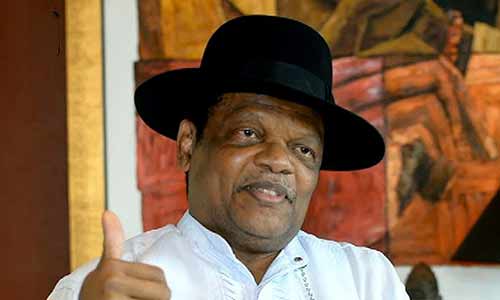
At the heart of Nigeria’s challenge, according to Atedo Peterside, President of the ANAP Foundation and Founder of Stanbic IBTC Bank, is poverty. Not as a statistic, but as a lived experience for millions. With an estimated 140 million Nigerians living in poverty, Peterside warns that the country is approaching a dangerous imbalance, one where extreme wealth coexists with extreme deprivation.
YOU CAN ALSO READ: Who Is Zaccheus Adedeji? Inside Nigeria’s Revenue Reform Agenda
Economic reforms introduced by the Tinubu administration, including fuel subsidy removal and exchange rate liberalization, were necessary steps. But Peterside argues that policy actions alone are insufficient. What matters now is whether these reforms translate into improved living standards. Rising government expenditure, weak revenue generation, and an overreliance on borrowing raise serious concerns about sustainability. Without a dramatic increase in revenue or meaningful cuts in spending, the current economic course may prove difficult to maintain.
The social consequences of this imbalance are already visible. While poverty does not automatically lead to insecurity, Peterside notes that widespread deprivation makes recruitment into banditry and terrorism easier, particularly in regions where the state offers little protection or opportunity. The presence of millions of out of school children further compounds the crisis, creating a generation at risk of permanent exclusion from the modern economy.
Politically, Nigeria is entering 2026 with growing fears of democratic contraction. The steady consolidation of power by the ruling party has weakened opposition structures, fuelling anxieties about a drift toward a de facto one party state. Peterside argues that opposition forces still have time to regroup, but only if they abandon personality driven politics and instead unite around shared messages of hardship, insecurity, and governance reform.
External pressure may also shape Nigeria’s trajectory in 2026. The renewed global influence of Donald Trump, Peterside observes, introduces diplomatic and narrative risks for Nigeria. While some claims, particularly around human rights abuses, are often poorly framed, dismissing them outright would be a mistake. Insecurity in parts of the Middle Belt and North East, where entire communities have been displaced or destroyed, reflects a crisis that cannot be explained away by semantics.
Looking ahead to the 2027 elections, Peterside stresses that democracy itself is at stake. Electoral reform, judicial independence, freedom of speech, and security are, in his view, non negotiable pillars of a credible democratic process. Without them, public faith in elections and in the courts will continue to erode.
YOU CAN ALSO READ: Grant Cardone’s 2026 Playbook for Scaling Companies and Achieving Founder Success
Nigeria’s outlook for 2026, then, is neither wholly bleak nor comfortably optimistic. The path forward depends on whether economic reform can be matched with social justice, whether political ambition can give way to national purpose, and whether governance can restore dignity to the lives of ordinary citizens.
As Peterside cautions, no nation with such vast inequality can remain stable indefinitely. The question for 2026 is not whether Nigeria faces challenges but whether it can summon the leadership, discipline, and courage to confront them.