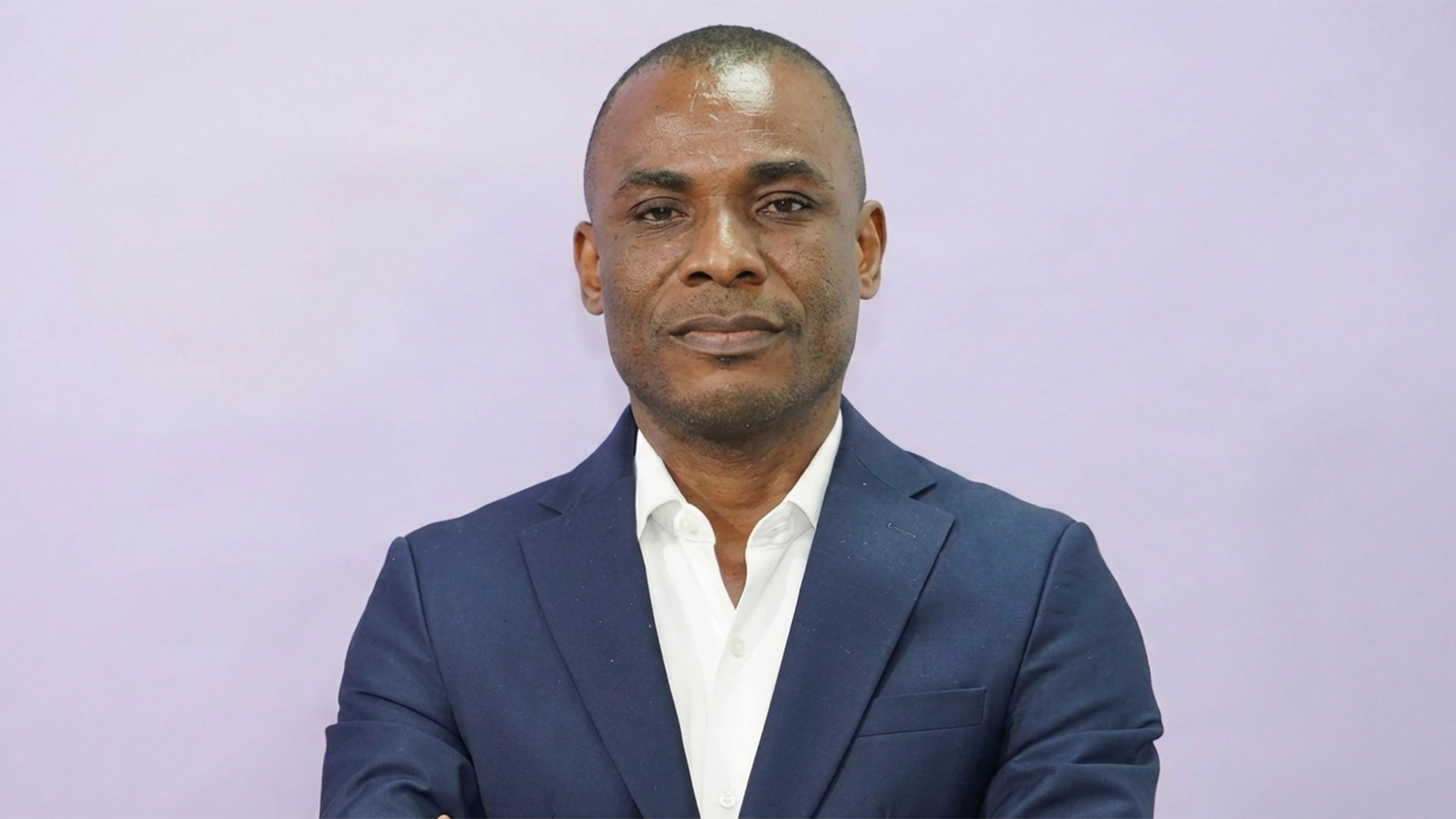
When CardinalStone released its latest macroeconomic report with the headline “Indicators Align for Sustained Macro Gains,” it stood out in a climate often dominated by caution and pessimism. Behind the analysis is Olabisi Boboye, Lead Economist and Fixed Income Strategist at CardinalStone, whose reading of Nigeria’s economic signals suggests a country gradually finding its footing after years of instability.
According to Boboye, Nigeria’s current macroeconomic environment bears a striking resemblance to two relatively stable periods in its recent history: 2019 and, before that, 2014. Using a composite economic heat map that scores multiple macro indicators, he argues that the economy is no longer in a state of free fall but has entered a phase of consolidation and cautious recovery. Stability, in his view, is the foundation on which sustainable growth is rebuilt.
A central theme of the CardinalStone report is the performance of Nigeria’s largest listed companies. By tracking the profitability of NGX-30 firms alongside broader economic trends, Boboye points to a recovery in corporate performance that mirrors improving macroeconomic conditions. After the FX-induced shocks and reform pressures of 2023, businesses struggled under rising costs and uncertainty. Recent data, however, shows a sharp improvement in profitability. Importantly, Boboye emphasizes that this rebound is not driven by price increases alone. He notes that volume growth is also evident, particularly in consumer goods, cement, and downstream oil sectors, signaling renewed confidence among businesses.
YOU CAN ALSO READ: 10 Things Every CEO Needs to Know About Nigeria’s New Tax Reform
This growing confidence is already influencing corporate decisions. Companies that once considered exiting the Nigerian market are reassessing their positions, while foreign investors are showing renewed interest. In Boboye’s experience, international investors are often more optimistic about Nigeria’s prospects than domestic observers, largely because of the structural reforms now taking root.
Central Bank business surveys cited in the report show that companies expanded capacity across most sectors in 2025, including agriculture, manufacturing, construction, and services. While energy costs remain a significant constraint, Boboye observes that many firms are adapting by investing in alternative power sources to reduce reliance on expensive grid electricity. Beyond energy, the more powerful driver of expansion is demand expectation. After a prolonged squeeze, consumer purchasing power is beginning to recover, prompting businesses to position themselves ahead of anticipated demand.
Despite the improving outlook, Boboye is clear that major challenges remain. Insecurity and insufficient power supply continue to rank as the top concerns for Nigerian businesses. Insecurity, in particular, poses a serious threat to economic stability, affecting food supply, investor confidence, and regional economic activity. Boboye argues that meaningful progress will require deeper security reforms, including serious consideration of state policing. While concerns about state-level financing are valid, he believes the long-term economic benefits of improved security far outweigh the short-term fiscal costs.
Taxation is another recurring concern addressed in the report. Although multiple taxes continue to burden businesses, Boboye is cautiously optimistic about the ongoing tax reform agenda. He explains that the structure of the reforms is designed to ease pressure on lower-income earners while ensuring better compliance among those who have historically avoided taxes. The critical test, he notes, will be consistent implementation and clear communication. If reforms are executed as designed, he expects taxation to become a less dominant concern within the next two years.
Food insecurity remains one of Nigeria’s most pressing social challenges. CardinalStone’s data shows that while over 30 million Nigerians faced food insecurity in 2024, the number has begun to decline modestly. Boboye attributes this to a combination of easing food inflation and gradual improvements in availability. Prices of key food items have fallen significantly from their peaks, and he expects further moderation if security conditions improve. In his assessment, food insecurity in Nigeria is both a supply and affordability issue, but the current trajectory points toward gradual improvement.
At the subnational level, Boboye highlights encouraging trends in state finances. States are reducing debt, increasing capital expenditure, and benefiting from stronger FAAC inflows driven by federal reforms. For the first time in years, many state governments are investing more actively in infrastructure rather than merely servicing liabilities. However, Boboye stresses that true fiscal resilience will depend on states significantly growing their internally generated revenue. While FAAC provides short-term relief, IGR offers long-term stability and predictability.
YOU CAN ALSO READ: Governing the Unequal State: Nigeria’s Most Dangerous Challenge in 2026
As Nigeria approaches another election cycle, concerns about political uncertainty and market volatility are resurfacing. Boboye’s analysis suggests these fears may be overstated. Historically, he notes, markets respond more to economic fundamentals than to election cycles, particularly in second-term elections. Engagements with both local and international investors indicate sustained confidence in Nigeria’s reform direction, even in a pre-election environment. While risks remain, he believes they are not as pronounced as commonly assumed.
Taken together, CardinalStone’s report reflects a measured but hopeful assessment of Nigeria’s economic trajectory. For Olabisi Boboye, the story is not one of instant transformation but of gradual normalization. Stability is returning, businesses are adapting, and investors are paying attention. While deep structural challenges persist, the direction of travel is clearer than it has been in years, suggesting that Nigeria’s macroeconomic narrative may finally be turning a corner.