Africa had always created the culture the world celebrated. From music and film to fashion and advertising, the continent’s creative output shaped global taste. Yet despite this influence, the continent still struggled with a familiar challenge: capturing the full economic value of what it produced.
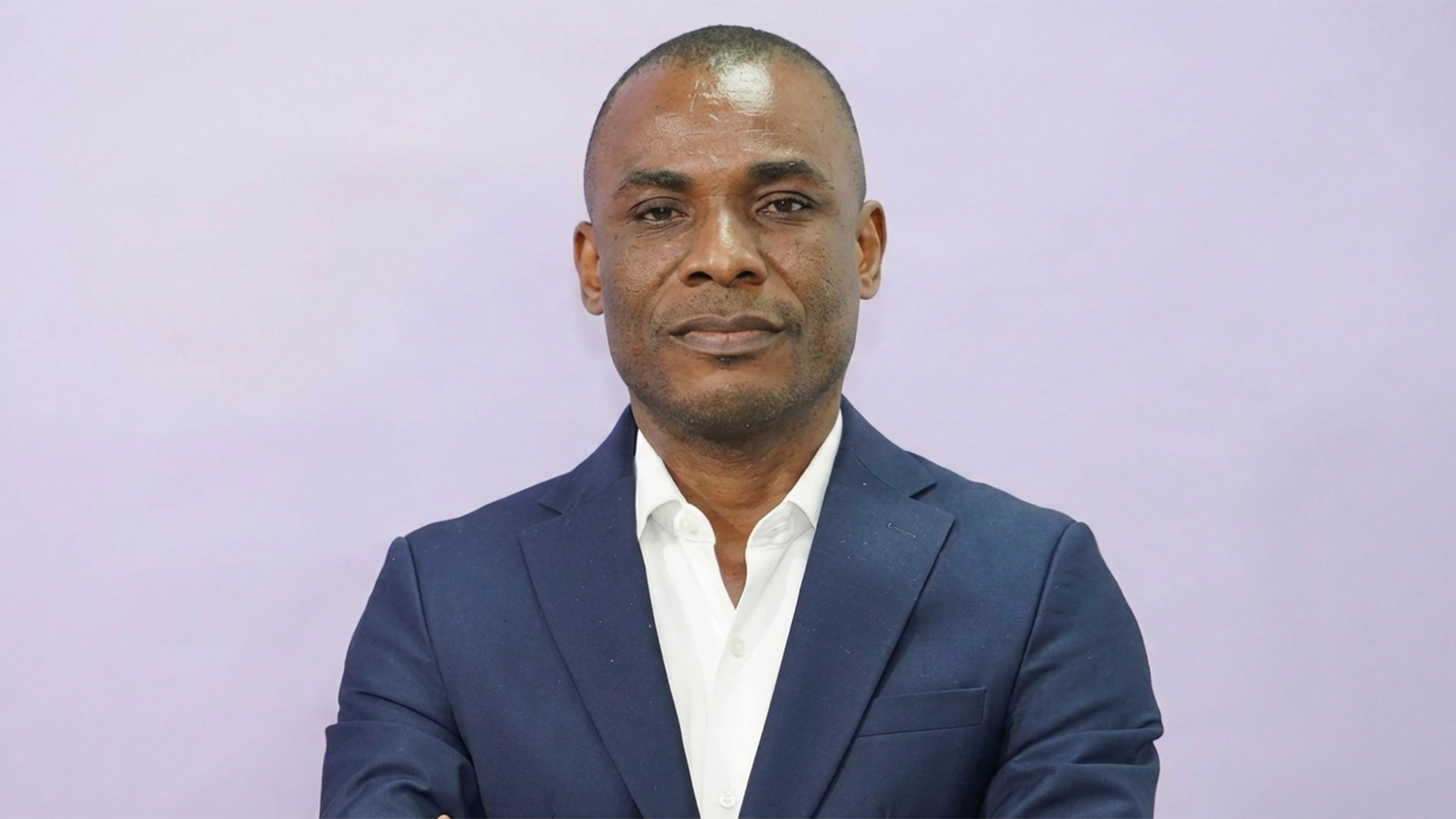
Few understood this paradox better than the Founder and Group CEO of X3M Ideas, Steve Babaeko, one of Africa’s most influential creative networks. Named by Adweek among the Top 100 Creatives in the World, Babaeko’s journey from the copywriting trenches of Kaduna to the global creative stage mirrored both Africa’s immense potential and the structural gaps that constrained its creative economy.
Born in Kaduna and originally from Kabba in Kogi State, Babaeko spent his early years in Northern Nigeria. He studied Theatre Arts at Ahmadu Bello University, Zaria, and completed his national service at the Nigerian Television Authority. Broadcasting had been his first ambition, but financial realities quickly redirected his path.
YOU CAN ALSO READ: Wale Tinubu Hails Otedola, Elumelu for Deals That Define 2026
As the first child in a large family who lost his father early, Babaeko made practical decisions. Television offered visibility but little financial security. Advertising became his pivot, first as a career, and later as a platform to express creativity and drive economic impact.
Babaeko recognized that the challenges facing African creatives were not about talent, but ownership and structure. He often cited Nigeria’s old Western Region. Cocoa revenues built Cocoa House and West Africa’s first television station, yet Nigeria never produced chocolate. The value was created elsewhere. For Babaeko, African creativity had become the new cocoa.
African music filled global arenas. African films dominated streaming platforms. African fashion shaped international runways. Yet ownership of distribution, platforms, and intellectual property often lay outside the continent. Visibility had grown, but value capture remained uneven.
When Nigerian artists sold out international venues, the celebration was deserved. But behind each concert was an entire ecosystem of hotels, transportation, food services, logistics, and security benefiting foreign economies. For Babaeko, the challenge was infrastructure and control, not performance.
This belief shaped the founding of X3M Ideas in 2012. While many agencies adopted foreign-sounding names to signal credibility, Babaeko chose a different path. He wanted to build a distinctly African institution.
“We didn’t want anyone’s surname,” he said. “We wanted to build our own name.”
From a single office in Lagos, X3M Ideas expanded into a network across nine countries, including the United Kingdom. International partners now sought association with X3M, reversing historical patterns of dependence.
A defining moment came when X3M Ideas won Nigeria’s first Cannes Lions, placing both the agency and Nigerian advertising firmly on the global map. It validated what Babaeko had long believed. African creativity, when paired with confidence and structure, could compete at the highest level.
Central to his philosophy was authenticity. Africa’s advantage, he believed, lay in telling its own stories, not imitation. The global success of African music, film, and culture came from unapologetic originality.
“The world wants what it cannot pronounce,” he said. “Authenticity is not a limitation. It is our strength.”
Beyond awards and business growth, Babaeko embedded social responsibility into X3M Ideas. The agency supported education, renovated schools, built science labs, and restored classrooms affected by conflict. Having grown up in public schools himself, he saw giving back as duty, not gesture.
YOU CAN ALSO READ: 10 Things Every CEO Needs to Know About Nigeria’s New Tax Reform
For Babaeko, legacy was more than profit or recognition. It was about building institutions that endured and creating pathways for others to rise.
He hoped his work in African advertising would be remembered for courage, the courage to build global institutions from Africa, with African names, on African terms. Awards and cross-border expansion mattered, but proving that African creatives could own platforms, narratives, and their economic future mattered more.
“We didn’t need to beg for seats at the table,” he said. “We could build our own tables.”
In a continent still negotiating its place in the global creative economy, Steve Babaeko’s story stood as more than personal success. It was a blueprint for how creativity, combined with ownership and long-term vision, could become a true engine of value creation.