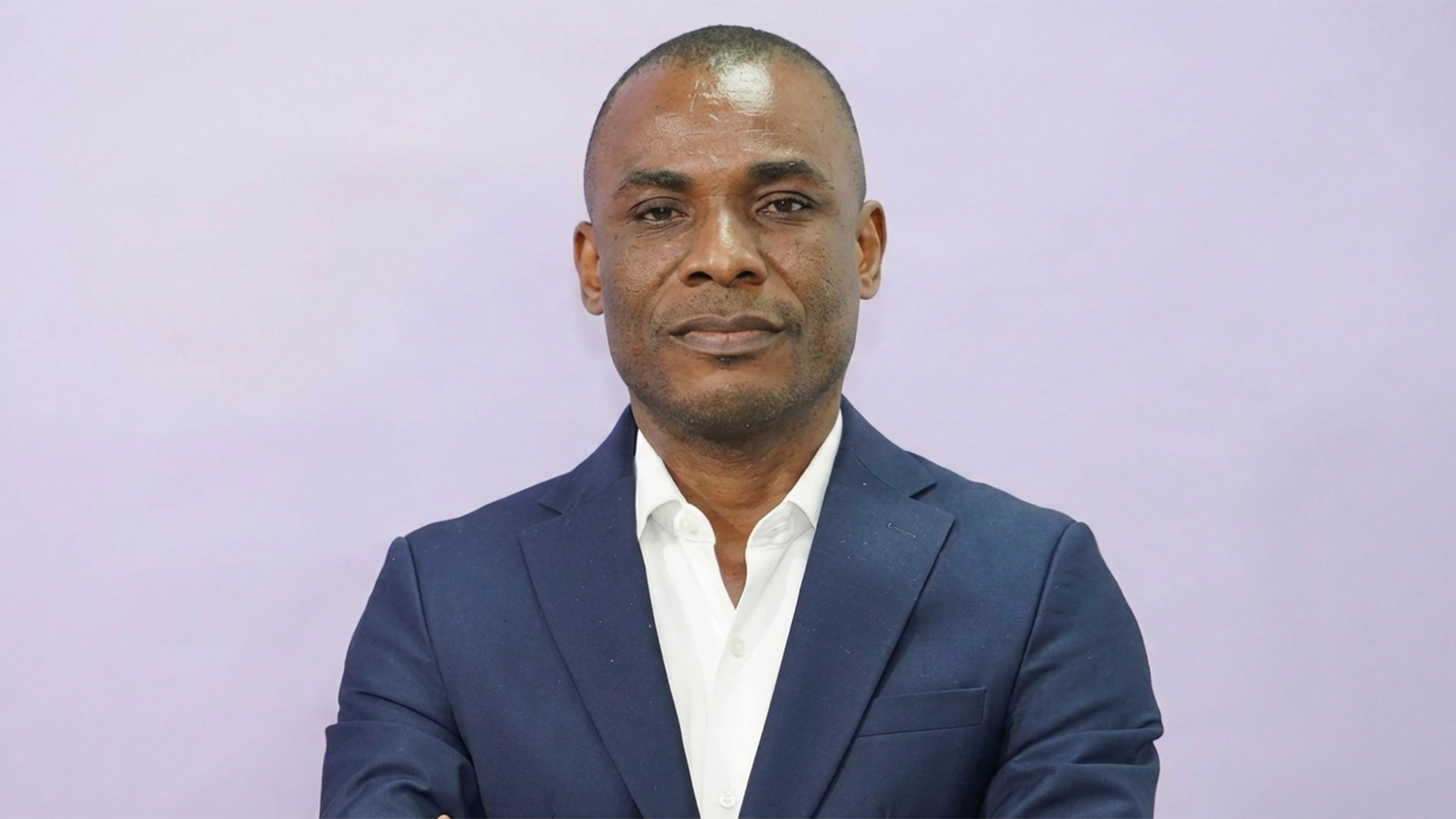
As conversations around Nigeria’s new tax laws continue to dominate boardrooms, newsrooms and everyday discussions, one voice has stood out for its clarity and depth: KPMG Nigeria’s Partner & Head, Tax, Regulatory & People Services, Adewale Ajayi
In a recent media engagement, Ajayi offered a calm and insightful perspective on the evolving tax landscape, addressing public anxiety, investor concerns and the broader implications of one of Nigeria’s most ambitious tax reforms in recent history.
According to Ajayi, much of the concern surrounding the new tax law stems from misinterpretation rather than the law itself. He explained that reactions to KPMG’s recent tax publication were intense, but in many cases the content was presented in ways that differed from its original intent. Large scale reforms, he noted, naturally come with issues that require clarification and adjustment, and the most important thing is to address them transparently and in a way people can understand.
YOU CAN ALSO READ: Wale Tinubu Hails Otedola, Elumelu for Deals That Define 2026
He welcomed the growing national conversation around taxation, describing it as a positive development. He pointed out that many provisions in the new tax law have existed for years but were largely ignored. The fact that Nigerians are now paying attention and asking questions, he said, creates room for better understanding, correction of misconceptions and improvement of the system.
A key theme in Ajayi’s analysis was the need to balance revenue generation with investment attraction. While acknowledging Nigeria’s significant revenue gap, he cautioned that tax policy must reflect the country’s development stage and competitive environment. He highlighted concerns around the taxation of indirect share transfers, explaining that although the practice exists in other countries, it must be carefully managed in Nigeria to avoid discouraging foreign investment.
He also spoke about the harmonisation of capital gains and corporate taxes, noting that while it helps reduce tax avoidance, it should ideally be accompanied by more competitive corporate tax rates. Without this balance, he warned, Nigeria risks capital flight in an increasingly competitive global investment market.
On dispute resolution, Ajayi stressed that the best approach is to prevent disputes altogether by making tax laws clearer and simpler. Ambiguity, he explained, leads to different interpretations between taxpayers and authorities, resulting in disputes that can take years to resolve and delay revenue collection. While acknowledging improvements in Nigeria’s tax appeal system, he maintained that clarity in legislation remains the most effective solution.
Addressing concerns about the impact of the reforms on ordinary Nigerians, Ajayi clarified that low income earners are largely protected under the new framework. He explained that it is inefficient to pursue taxes where the cost of collection outweighs the revenue, which is why many low income earners and essential goods are exempt from certain taxes. The principle, he said, is to place a greater tax burden on higher income earners so government can fund infrastructure and public services.
Looking ahead, Ajayi identified technology as a critical driver of improved tax compliance in Nigeria. He noted that countries like South Africa already use automated systems that allow tax authorities to assess income and prefill returns, reducing errors and non compliance. Nigeria, he said, is steadily moving in that direction.
YOU CAN ALSO READ: How Michael Bloomberg Built a Legacy Through Work, Risk, and Giving Back
At the heart of Ajayi’s message was a call for civic responsibility. He emphasized that paying tax is a legal and civic obligation for anyone who earns income, separate from debates about government service delivery. While enforcement in Nigeria still has room for improvement, he expressed confidence that ongoing reforms will strengthen compliance and trust in the system over time.
Ajayi described Nigeria’s tax reform journey as necessary and transformational. While acknowledging that large scale reforms inevitably come with challenges, he stressed that the focus should be on continuous improvement, timely clarification and building a tax system that inspires confidence, supports growth and reflects Nigeria’s long term economic aspirations.