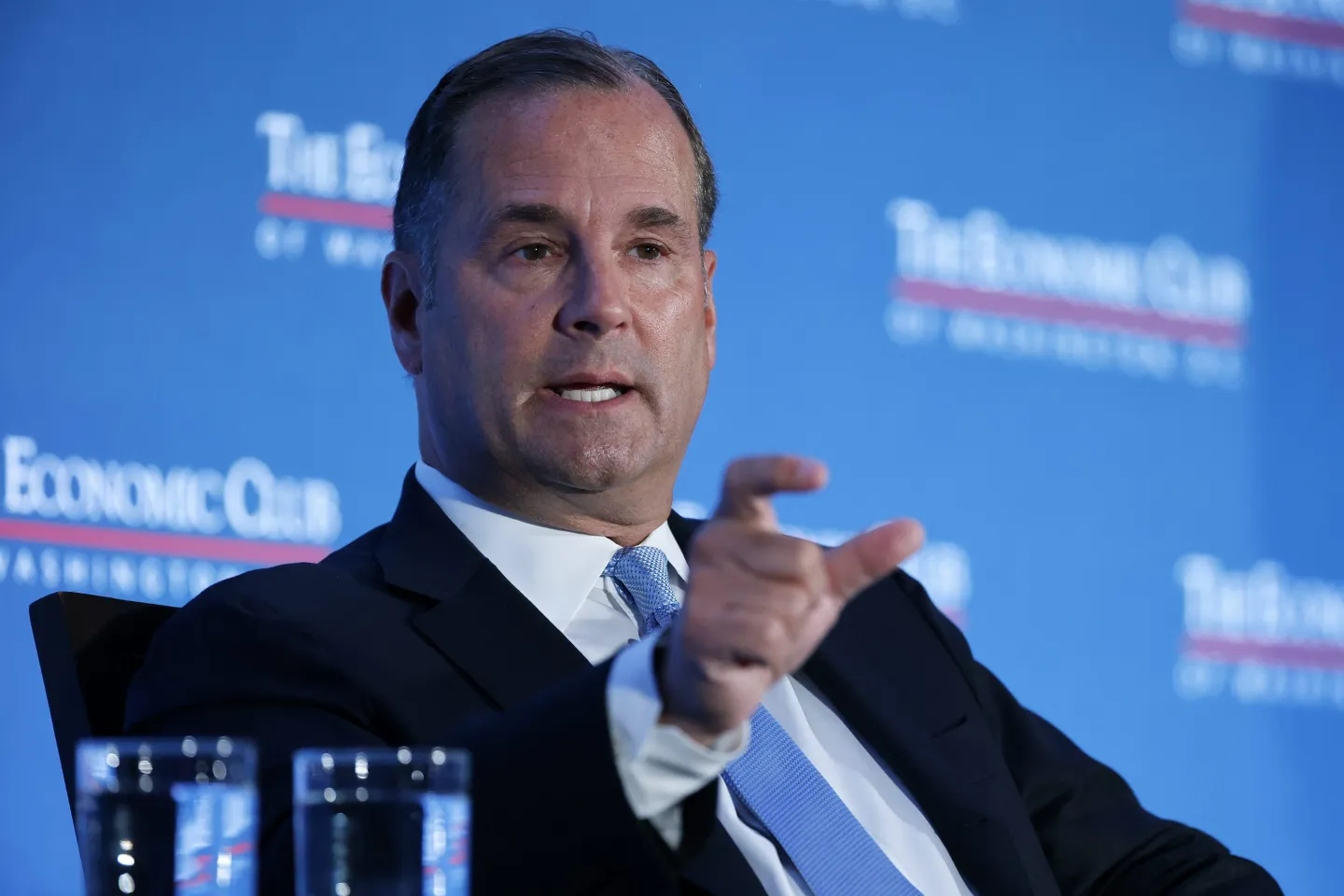
As Marriott International approaches its 100th anniversary in 2027, the world’s largest hospitality company is being steered by a chief executive whose leadership style is rooted less in corporate jargon and more in humility, listening, and relentless follow through.
President and CEO of Marriott International, Tony Capuano leads an empire that spans more than 30 brands, nearly 10,000 hotels worldwide, and a loyalty network of close to 260 million members. Yet in conversation, Capuano consistently brings the focus back to people, founders, frontline employees, and guests, and to a culture he believes is essential to sustaining success across generations.
Speaking on the How Leaders Lead podcast, Capuano reflected on Marriott’s remarkable journey from modest beginnings to global dominance. With the company nearing a century in operation, he described regular conversations with Bill Marriott, the company’s iconic chairman emeritus, as both grounding and instructive.
“By any measure, it’s a remarkable American success story, now a global one, built from very humble beginnings,” Capuano said, recalling how the Marriott family started with little capital but an outsized commitment to service. “Getting to spend time with Mr. Marriott almost every week is probably the best part of my job.”
YOU CAN ALSO READ: Meta Appoints Former Trump Aide Dina Powell McCormick as President and Vice Chair
That connection to legacy is not abstract. Capuano shared a defining moment from earlier in his career, when he joined Bill Marriott on a visit to Hawaii to review hotels and potential deals. One stop was the Maui Marriott, hotel number 100 in what is now a portfolio nearing 10,000 properties.
As the group toured the hotel, Bill Marriott displayed his trademark attention to detail, discussing financial performance while being warmly embraced by staff members who thanked him for the opportunities the company had given them. But it was what happened next that left a lasting impression on Capuano.
Unannounced, Marriott insisted on visiting the kitchen. There, he engaged with staff along the line and eventually stopped at the dishwashing station, where a young employee struggled with a faulty high pressure sprayer. After promising to fix the issue, Marriott said little more and continued with the day’s schedule.
The following morning, on the way to the airport, Marriott abruptly ordered the bus to turn around and return to the hotel. He walked directly back to the dishwashing station, tested the sprayer, now fully functional, and wished the employee a good day.
“That moment perfectly captured his humility and sincerity,” Capuano said. “He made a commitment, and he followed through.”
For Capuano, that lesson, leadership expressed through action rather than words, has become foundational to his own approach. It also shapes how Marriott’s culture shows up for guests.
He recounted one story among many that cross his desk each year. A family traveling to New York to celebrate their daughter’s recovery from cancer. The child, who had lost a leg during treatment, dreamed of seeing Broadway, eating New York pizza, and visiting the Statue of Liberty. The family booked a Marriott hotel and simply mentioned their story in advance, asking for nothing more than a possible view of Times Square.
What followed was a spontaneous, employee led response. A front desk manager organized transportation, rolled out a red carpet on arrival, and gathered hotel associates to welcome the family. Broadway tickets were arranged. Pizza was delivered. The stay was transformed into a celebration.
“I hesitated when asked to pick just one story,” Capuano said. “Not because there aren’t any, but because I hear hundreds of stories like this every day.”
That exposure to frontline dedication fuels what some critics describe as Capuano’s eternal optimism, a trait he readily acknowledges but also defends. In an industry exposed to economic cycles, geopolitical uncertainty, and shifting consumer confidence, optimism, he argues, must be grounded in realism.
Drawing on advice from Warren Buffett, Capuano emphasized the importance of candor with investors and stakeholders. Marriott’s earnings calls, he noted, openly address pressures ranging from interest rates and construction costs to labor challenges and global political risk.
“Optimism isn’t manufactured,” he said. “It’s earned.”
YOU CAN ALSO READ: Jay-Jay Okocha Champions Flair as Nike Names Him “Chief Flair Officer”
Nearly a century of navigating crises, from recessions to global disruptions, has reinforced his confidence in Marriott’s long term resilience, shaped by leaders like Bill Marriott and the late Arne Sorenson.
Capuano is under no illusion that hospitality is immune to downturns. “We chose an industry that is inherently cyclical,” he said, pointing to fluctuations in GDP, consumer confidence, and discretionary spending. Yet even amid recent lows in United States consumer sentiment, Marriott’s performance has surprised many observers.
As the company looks toward its centennial milestone, Capuano’s leadership reflects a balance of legacy and forward momentum. Respect for the past, transparency about the present, and faith in a culture built on service.
In an era when corporate leadership is often judged by quarterly results alone, Tony Capuano is making a quieter case. Sustained success, especially at global scale, still depends on listening closely, keeping promises, and never losing sight of the people behind the brand.