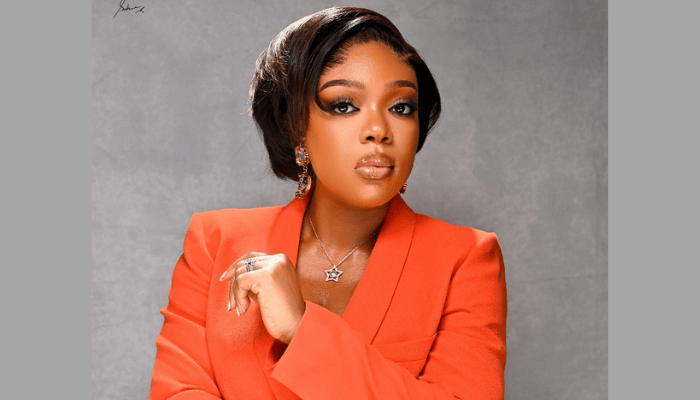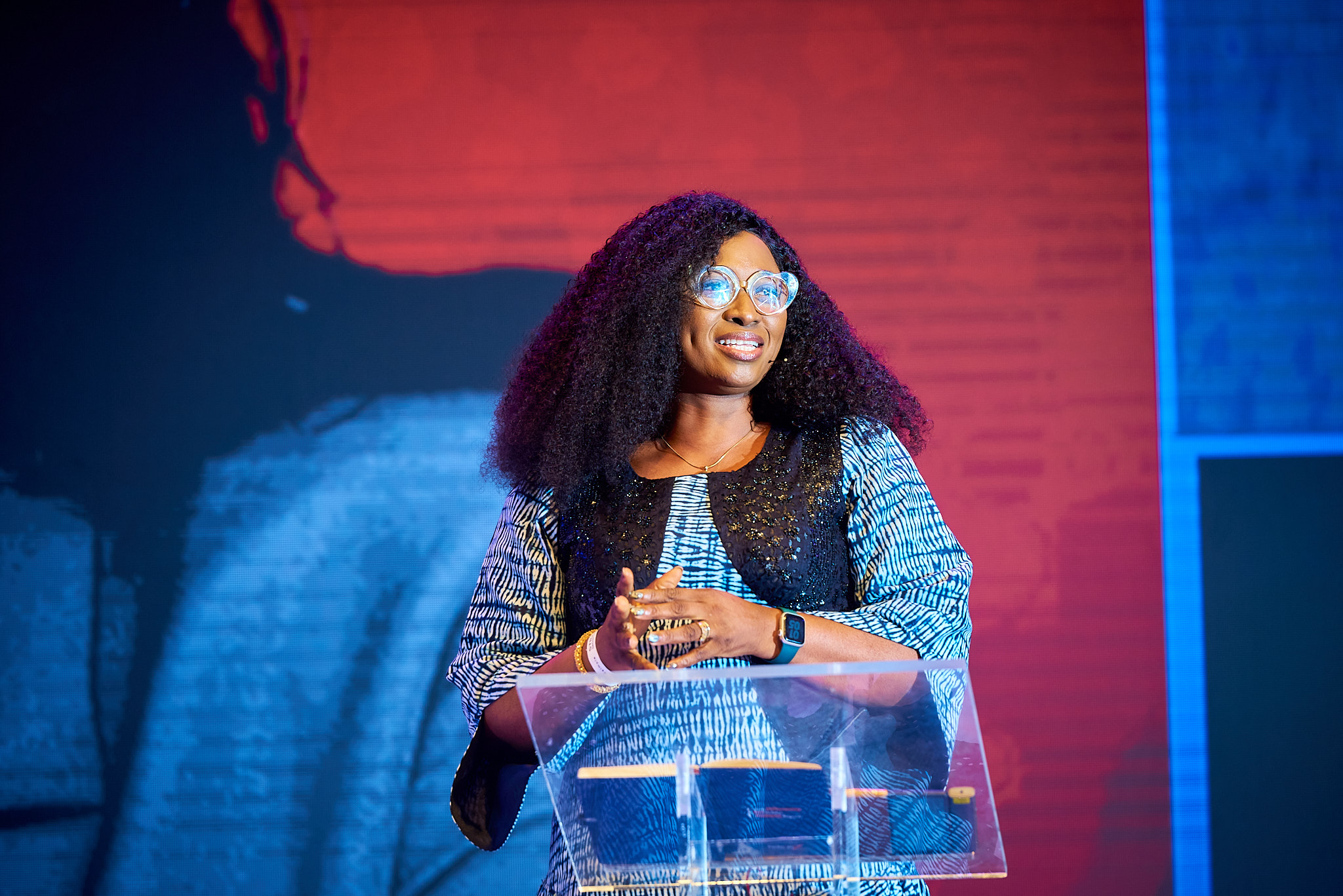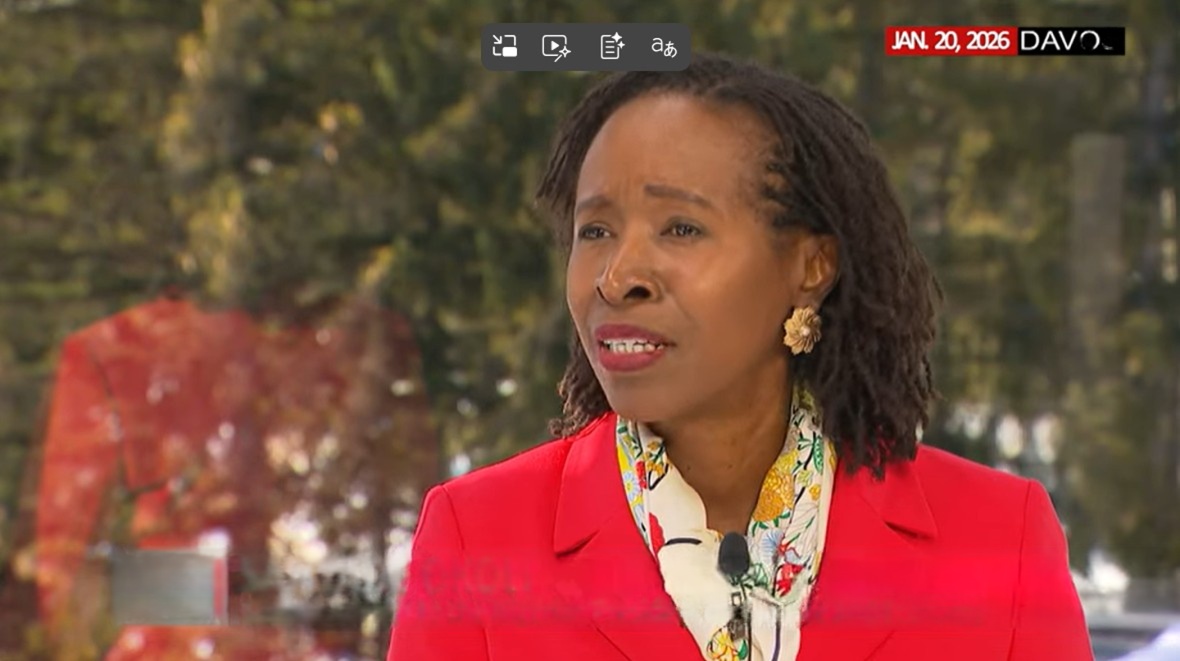
From the halls of Davos, Nigeria’s economic story is being reframed not as a plea for patience, but as a case for credibility. At the centre of that narrative is Special Adviser to President Bola Tinubu on Finance and Economic Matters, Sanyade Okoli, whose role at the World Economic Forum has been to explain Nigeria’s reform journey in human, institutional, and investment terms.
Rather than leading with statistics, Okoli’s message focuses on trust. In a global economy shaped by uncertainty and fragmentation, she argues that countries earn attention not through ambition alone, but through consistency and discipline. Nigeria’s recent reforms, she notes, are designed to rebuild that trust by correcting long-standing distortions and restoring macroeconomic stability, even when the political and social costs are high.
YOU CAN ALSO READ: 5 Things I Wish I Knew Before Starting a Business – Sooyah Bistro’s CEO
She does not downplay those costs. Okoli openly acknowledged that the reforms have been difficult for citizens, particularly as inflation and rising living expenses strain households. But she frames the moment as a necessary turning point rather than a temporary crisis. Years of postponing structural change, she explains, only compounded vulnerabilities. The current adjustment, while painful, is intended to reset the economy on firmer ground.
In Okoli’s view, reform only matters if it translates into opportunity. That is why she consistently links macroeconomic discipline to job creation. An economy that creates jobs, she argues, must first attract investment, and investment follows environments where policy signals are clear, institutions are credible, and reforms are sustained beyond headlines.
This logic underpins Nigeria’s priorities across sectors. Agriculture and food security are central, not just to curb inflation, but to absorb labour and strengthen local value chains. Energy reform is equally critical, as reliable electricity determines whether businesses can scale, compete, and employ. Infrastructure, housing, and transport are being positioned as enablers of productivity rather than standalone projects.
Nigeria House at Davos reflects this approach. According to Okoli, it is not about visibility for its own sake, but about control of narrative. The platform allows Nigeria to explain its reforms directly to investors, multilateral institutions, and global executives, creating room for nuanced dialogue rather than simplified judgments. It also enables targeted conversations across sectors, turning policy intent into investment discussions.
Throughout the week, Okoli has emphasized that Nigeria’s reform story is still being written. International validation from institutions such as the IMF and World Bank is welcome, but not the endpoint. The real test, she insists, lies in how quickly reforms improve productivity, reduce poverty, and expand opportunity at home.
YOU CAN ALSO READ: Sky Is Just the Beginning: Kenn Ricci’s Journey from Pilot to Billion-Dollar Aviation Mogul
In Davos, her perspective is clear-eyed and unsentimental. Nigeria is not promising instant relief, nor is it retreating from hard choices. Instead, it is asking to be judged on the seriousness of its reforms, the clarity of its direction, and its willingness to stay the course until growth becomes inclusive, sustainable, and job-rich.