At the 2026 World Economic Forum in Davos, Nigeria is no longer making defensive arguments about its economy. Instead, the country has arrived with a clear objective to explain, reinforce, and own the narrative of its economic reforms and to do so with confidence backed by early results.
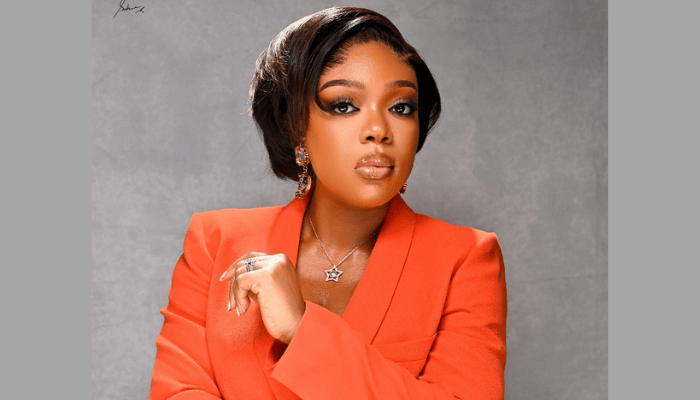
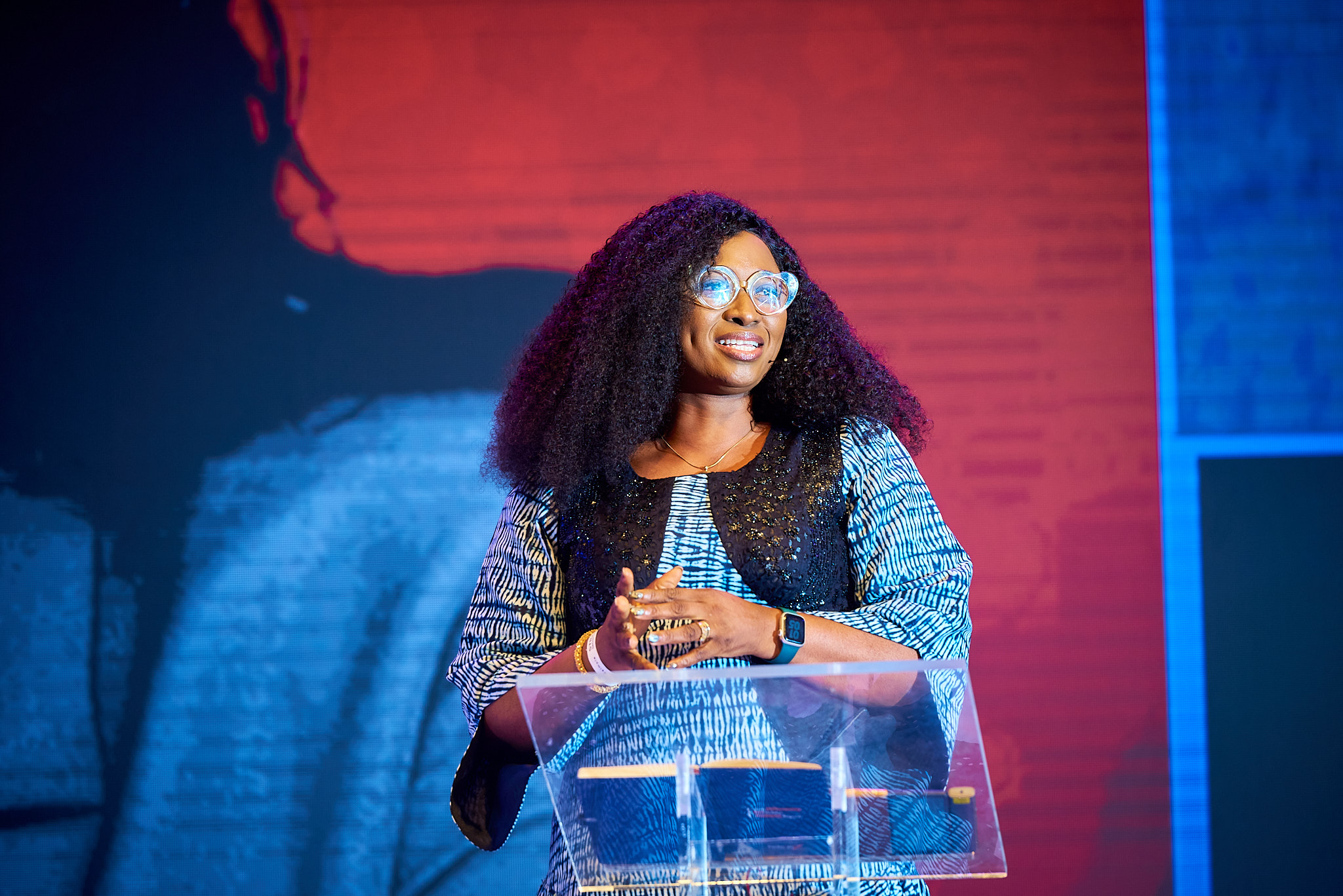
At the heart of that effort is Dr. Jumoke Oduwole, Nigeria’s Minister of Industry, Trade, and Investment, whose leadership has helped frame Nigeria’s presence at Davos not as a symbolic appearance, but as a strategic engagement with global capital, institutions, and policymakers.
Under President Bola Ahmed Tinubu’s administration, Nigeria has embarked on far-reaching reforms aimed at restoring macroeconomic stability and rebuilding investor confidence. According to officials at Davos, those reforms are beginning to show tangible outcomes. Currency stability has improved, foreign exchange reserves have climbed beyond $43 billion, and Nigerian treasury bills and sovereign bonds are attracting attention with yields ranging between 8 and 10 percent. These gains have been reinforced by tax reforms, strengthened corporate governance standards, and structural changes in the oil and gas sector following the implementation of the Petroleum Industry Act.
YOU CAN ALSO READ: Start the Week Like a CEO: 10 Practical Steps for Leaders
For Dr. Oduwole, Davos represents an opportunity to move beyond statistics and articulate a coherent investment story, one that links policy reform to real opportunities in manufacturing, trade, energy, and services.
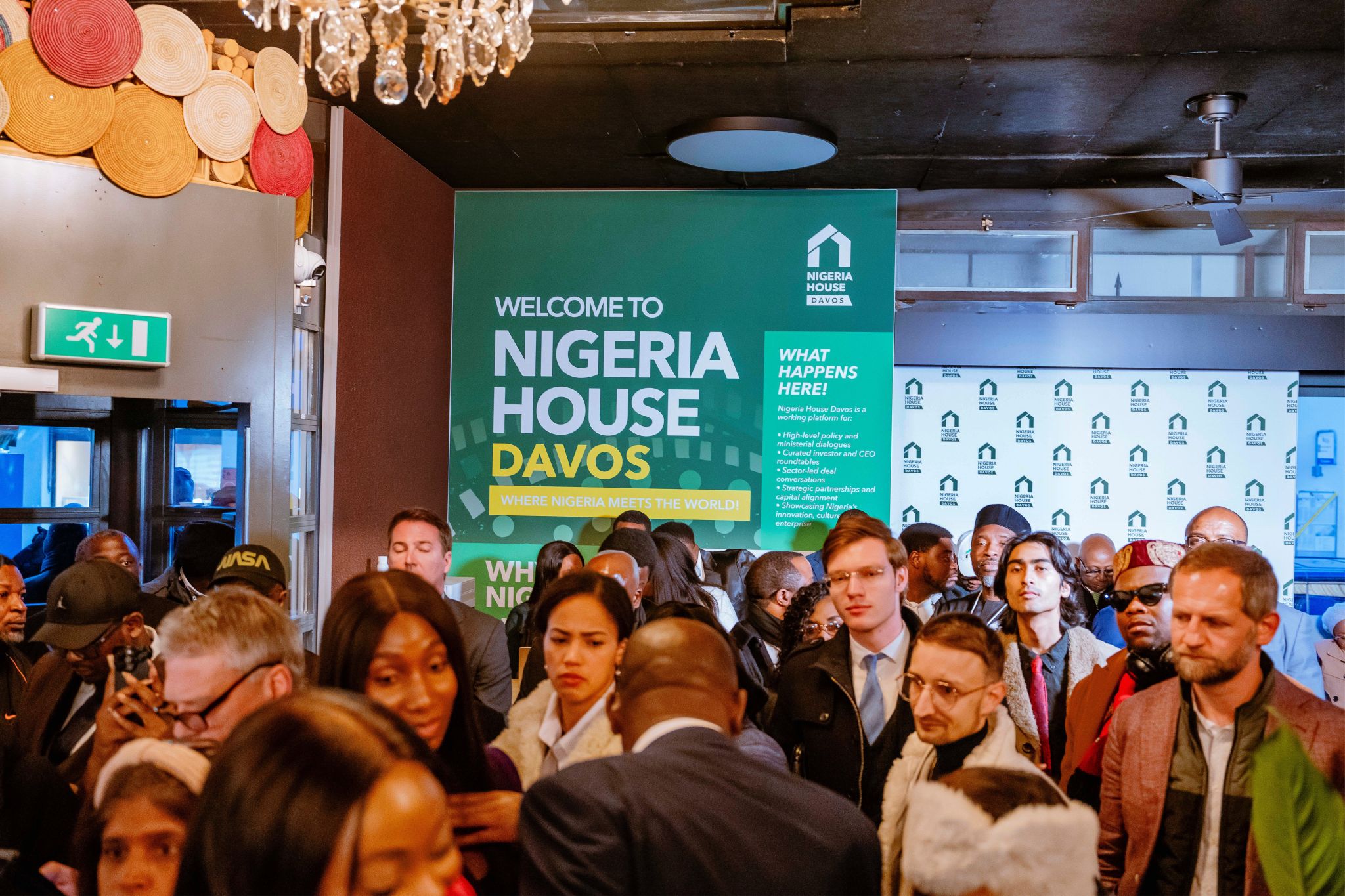
That story found a powerful platform in the launch of the first ever Nigeria House at Davos, an initiative that has quickly become a focal point for Nigeria’s engagement at the Forum. While the idea was initially pitched to the Vice President by a consortium of private sector leaders, it was the Ministry of Industry, Trade, and Investment that formally anchored the initiative within government.
As the minister responsible for investment, Dr. Oduwole’s office issued the official endorsement that brought together the Federal Government of Nigeria, private sector partners, and the World Economic Forum in a single, coordinated partnership. The result is a physical and diplomatic space designed to move conversations from curiosity to commitment.
Nigeria House, she emphasized, exists for one purpose to make it easier for credible partners to understand Nigeria’s market, engage its institutions, and translate interest into investment.
The project itself reflects a broader shift in how Nigeria is choosing to engage the world, less fragmented, more deliberate, and increasingly aligned across ministries and institutions. It also signals a renewed trust between the government and the private sector, visible in the depth of private sponsorship and collaboration behind the initiative.
That collaboration spans Nigerian and international firms, financial institutions, and development partners, underscoring what officials describe as a reinvigoration of belief in Nigeria’s economic direction and the President’s Renewed Hope Agenda.
Throughout the Davos week, Nigeria House is hosting a carefully curated programme of policy conversations, investment dialogues, and high level networking sessions. Participants range from Nigerian ministers and agency heads to global CEOs, international investors, and senior officials from multilateral institutions, including the World Trade Organization. The goal is not spectacle, but substance, using sustained engagement to reshape perceptions of Nigeria’s investment climate.
Beyond trade and investment, Nigeria’s presence at Davos also reflects a broader diplomatic and strategic agenda. The Ministry of Foreign Affairs is holding high level meetings with major global technology companies, positioning Nigeria early in conversations around artificial intelligence governance. An AI unit has already been established within the ministry, signaling Nigeria’s intent to be a rule shaper, not just a rule taker, in emerging global frameworks.
YOU CAN ALSO READ: JPMorgan CEO, Jamie Dimon Bets Big on AI to Shape Future of Banking
Issues such as migration, diaspora welfare, and regional security are also part of Nigeria’s engagement, reinforcing the idea that the World Economic Forum is not merely a business gathering, but a convergence point for governments, civil society, and global institutions.
For Dr. Jumoke Oduwole, the message is clear. Nigeria must tell its own story. If it does not define its reform journey and investment case, others will do so, and not always accurately or in Nigeria’s interest.
At Davos 2026, Nigeria is making a deliberate choice to speak for itself, with trade, investment, and reform at the centre of that voice.