The Gates Foundation has announced a new partnership with OpenAI aimed at transforming healthcare delivery across Africa, leveraging artificial intelligence to improve access, efficiency, and quality of care in underserved communities.
Under the initiative, OpenAI’s AI models will be deployed in 1,000 health clinics across the continent, beginning with Rwanda. The Gates Foundation will provide the necessary computing resources to support the pilot, marking one of the most ambitious uses of AI in frontline healthcare settings in low-income countries.
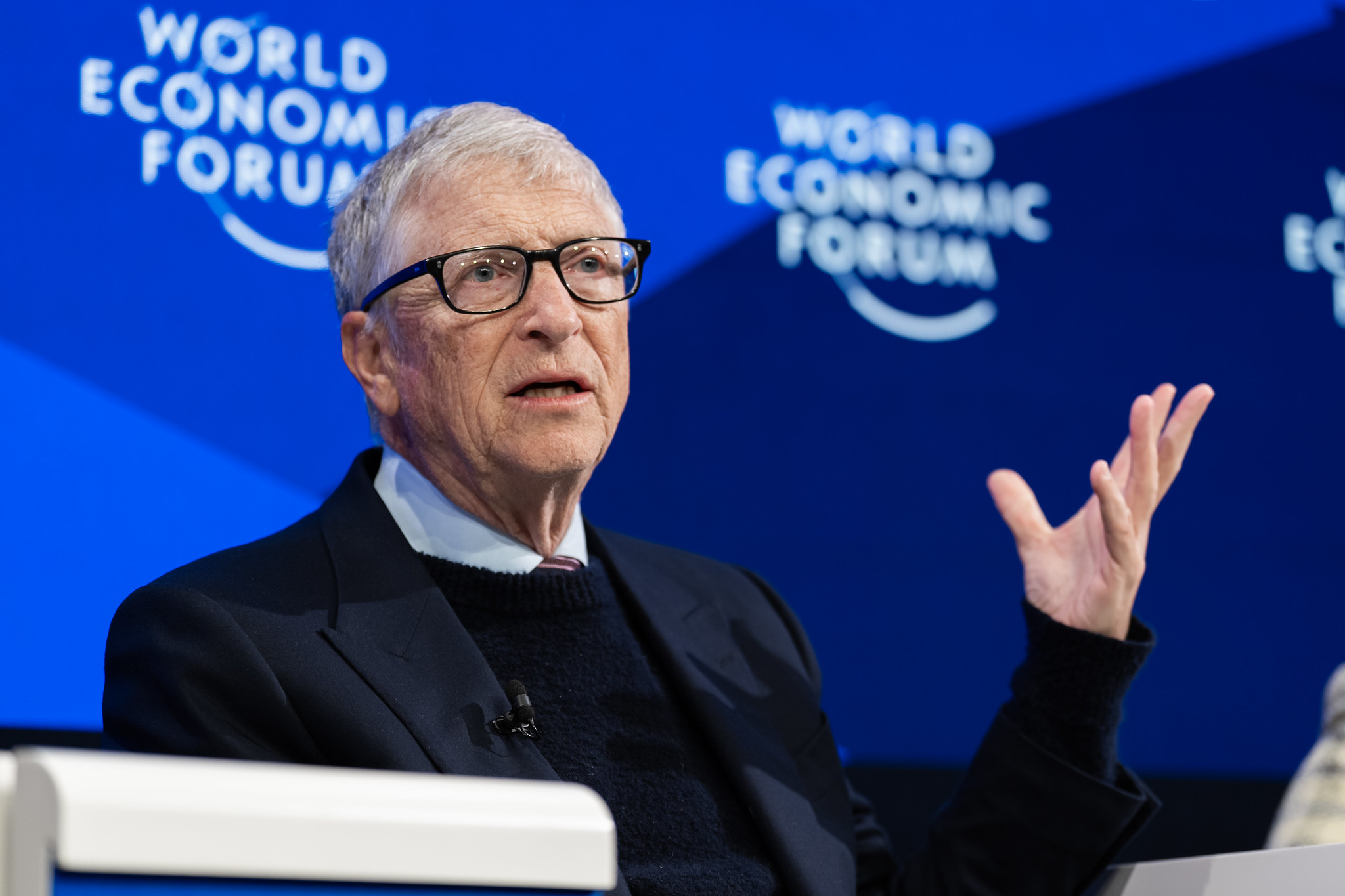
Speaking on the partnership, Microsoft co-founder and Gates Foundation chair, Bill Gates said the collaboration grew out of shared conversations with OpenAI leadership about using artificial intelligence to address global challenges in health and education.
YOU CAN ALSO READ: 2025 Trends and 2026 Outlook in Nigeria’s Agricultural and Food Systems Sector
“In many of these clinics, resources are extremely limited,” Gates explained. “AI allows us to dramatically improve the quality of care, reduce waiting times, and help clinicians focus on patients rather than paperwork.”
The technology is designed to allow patients to describe symptoms in their native languages through an AI interface. Appointments can be scheduled digitally, and clinicians receive structured summaries of patient information before consultations, streamlining care in environments where doctors are often scarce.
According to Gates, the goal is not to replace healthcare workers, but to enhance their effectiveness. “Often, it’s not a doctor delivering care. AI helps ensure that every patient encounter is higher quality, even when resources are constrained,” he said.
The partnership also reflects OpenAI’s growing role in global philanthropy. The organization’s unique ownership structure includes a foundation holding a significant stake in the company, an asset Gates noted could eventually rival the world’s largest philanthropic institutions.
“If more successful companies dedicated a quarter of their value to solving global problems, the world would look very different,” Gates said.
While OpenAI continues to face legal and governance scrutiny over its structure, Gates expressed confidence in the company’s long-term direction, citing strong investor support, a renewed board, and continued access to capital.
Beyond healthcare, Gates acknowledged that AI will increasingly reshape the global workforce. While job disruption has so far been limited, he expects significant impact in white-collar roles within the next few years, followed later by changes in manual labor as automation and robotics advance.
YOU CAN ALSO READ: High-Profile Debt Dispute: Parallex Bank Seeks Dismissal of Abuja Suit
At the Gates Foundation, AI is already being used to improve efficiency. Gates said the organization aims to keep operating costs around 12 percent, ensuring the maximum possible funding goes toward life-saving interventions.
The announcement comes amid heightened global uncertainty, as political and economic leaders gather in Davos. For Gates, however, the focus remains firmly on global health, particularly after child mortality rates rose last year for the first time in 25 years.
“In a world full of uncertainty,” he said, “the need to invest in health and save lives has never been clearer.”