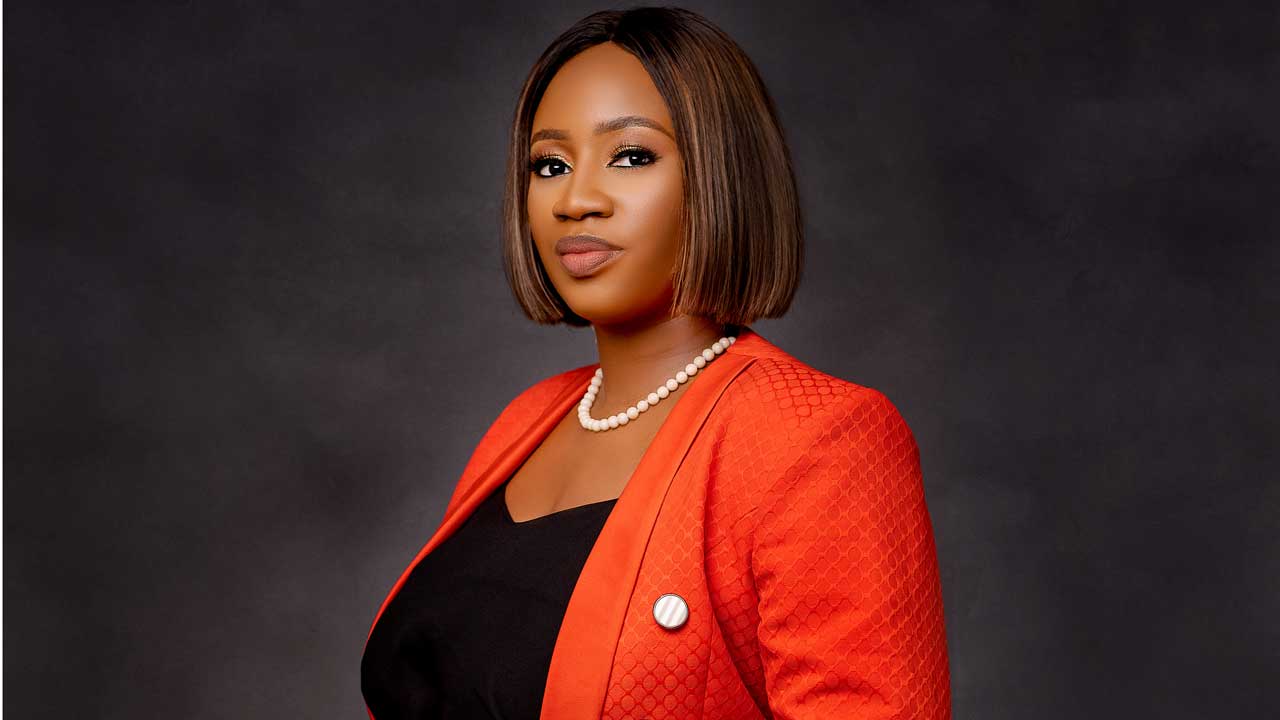
Long before Herconomy made headlines for raising $600,000 in just 24 hours, its founder, Ifedayo Durosinmi-Etti, had been doing the kind of work that rarely attracts attention, building patiently, intentionally, and without noise. Community came first. Trust followed. Credibility was earned over time.
In a global ecosystem where less than 4% of women have ever raised over $1 million in venture funding, her journey was already an uphill climb. Yet Ifedayo’s defining fundraising moment did not come from elite boardrooms or tightly curated investor networks. It came from one bold decision: showing up publicly and asking.
She shared the story on a recent episode of the Frankly Business Podcast, tracing the turning point back to a single Instagram post in 2021.
YOU CAN ALSO READ: Oracle Chairman Larry Ellison Signals Confidence in AI Demand With 50bn Funding Plan
“The minimum we’ll take is $20,000,” she wrote, words that nearly stopped her from pressing “post.” She admits the number felt unrealistic. She didn’t know anyone who could casually commit that amount to a woman-led startup. But she posted anyway.
What followed surprised even her.
Interested supporters began adding their names to a simple Excel sheet, pledging what they could invest. The figures climbed steadily. By the time the commitments were tallied, they had crossed $5 million. She needed only $600,000.
Within 24 hours, she had raised it.
“I didn’t just receive money,” Ifedayo reflects. “I received belief at scale.”
The conversation moves beyond fundraising success into the realities that shape women’s entrepreneurship, particularly in Africa. Ifedayo speaks candidly about why women receive less funding, why many never apply in the first place, and how structural bias continues to define access to capital.
She recalls stories that underscore these inequities, like a female founder who reportedly lost four investors the moment they learned she was pregnant, a scrutiny male founders rarely face. In Nigeria, the challenges extend beyond the boardroom. Cultural expectations often dictate that when women earn money, whether through salaries or businesses, it is handed over to their husbands as a sign of submission.
“Sometimes money is meant to empower women,” she explains, “but culturally, that’s not always how it works.”
Ifedayo’s commitment to women’s economic empowerment is deeply personal. Raised by a lawyer mother and an engineer-turned-politician father, she grew up in comfort. But when her parents separated years later, the illusion of security disappeared.
Her mother, who had stepped away from her legal career to raise children, suddenly had to rebuild her life with no savings. The family relocated to Abeokuta, adjusting to a new reality that felt unfamiliar and difficult.
“I watched my mum hustle,” Ifedayo says. “She let go of prestige and did whatever she had to do to survive.”
Another defining influence was her aunt, widowed before 40 and stripped of everything by her husband’s family. Starting from a kiosk, she built her way up step by step, eventually owning a block factory, land, and a home, and educating her children, all without a university degree.
“That experience taught me that every woman must have the spirit of hustle,” Ifedayo says.
Her entrepreneurial journey includes both wins and hard lessons. One such chapter was Bambi, a children’s furniture business inspired by her frustration at the lack of safe, locally made furniture in Nigeria after the birth of her daughter.
Demand grew quickly, but so did operational challenges, including logistics delays, rising costs, factory disruptions, and unclear co-founder roles. Eventually, the business became unsustainable.
“We shut it down without losing the friendship,” she explains. “But I learned the importance of defining roles early and putting agreements in place.”
For Ifedayo, funding is a tool, not the goal. She advises founders seeking grants to focus on solving real problems and aligning with global priorities such as education, gender equality, climate action, and poverty alleviation. Visibility, storytelling, and persistence matter. Rejection is part of the process.
“I only get into about 3% of what I apply for,” she says. “That’s normal.”
But she is firm on one point: the strongest businesses are built on customers, not investors.
“Don’t build to impress funders. Build for the people who pay you.”
Herconomy itself started modestly, from her dining table, with team members working from her home before moving into shared spaces. Growth, she insists, does not require perfection, only progress.
At the heart of Ifedayo Durosinmi-Etti’s work is a simple but powerful belief: financial independence is dignity.
YOU CAN ALSO READ: First Bank Holdings Clears ₦748 Billion in Legacy Loans, Eyes Strong 2026 Growth
She encourages women, whether professionals, entrepreneurs, or stay-at-home mothers, to earn, save, and invest in their own names. Life is unpredictable. Wealth can disappear. Security must be personal.
Her final message is direct and deeply earned:
“Keep going. Ask for help. Build your support system. And don’t stand in the way of your own success.”
In a world quick to celebrate overnight wins, Ifedayo’s story is a reminder that what looks sudden is often the result of years of quiet conviction and the courage to believe before the world does.