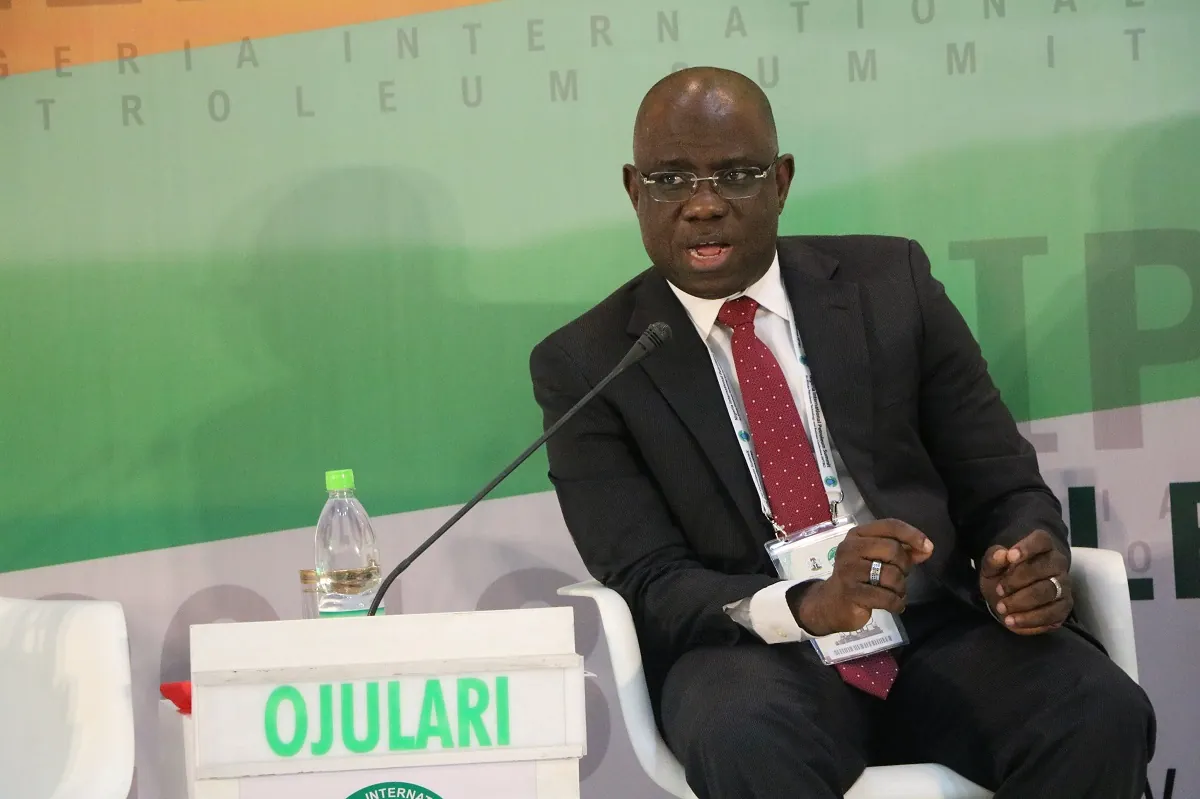
Nine months into his tenure as Group Chief Executive Officer of the Nigerian National Petroleum Company Limited (NNPC Ltd.), Bayo Ojulari faces the weight of expectations in an industry under intense public scrutiny. Appointed by President Bola Tinubu, Ojulari stepped in at a time when confidence in NNPC was low, output targets seemed ambitious, and the future of Nigeria’s state-owned refineries remained uncertain.
At the 9th Nigerian International Energy Summit, Ojulari gave his first in-depth interview since assuming office, speaking candidly with Dumbai Muayang about the company’s direction, challenges, and plans for the nation’s oil industry.
YOU CAN ALSO READ: Navigating Markets, Technology, and Change: Bill Winters on Steering Standard Chartered
“We came in at a time when public distrust was at an all-time high,” Ojulari said. “There was a culture where most statements were met with skepticism. Our job was to restore credibility while focusing on practical results.”
Ojulari explained that Nigeria’s oil production targets have often been aspirational rather than empirical. “It’s important to separate political numbers, aspirations, and realistic plans. When we set targets, we base them on what can be achieved, backed by data, partnerships, and monthly monitoring.”
He highlighted the progress made in aligning production plans with the government’s three-year strategic framework, noting that NNPC’s revised 2025 plan delivered an average of 1.67 million barrels per day, close to its projected 1.703 million barrels. For 2026, the budget is based on 1.8 million barrels per day, with a target of 2 million barrels, balancing ambition with realism. Ojulari stressed the importance of transparency and accountability, ensuring that projections are credible and aligned with partners across the sector.
A major focus of Ojulari’s tenure has been revitalizing Nigeria’s refineries. He described the state of the refineries upon his arrival as a “monumental loss,” with underutilized capacity and operational inefficiencies draining value. “Our first step was to stop the rot,” he explained. “We needed to understand the losses, evaluate operations, and rethink our strategy.”
Ojulari’s approach emphasizes collaboration and sustainability. By leveraging partnerships with existing operational refineries, including Dangote Refinery, NNPC seeks to optimize output and build capacity. He outlined a three-pronged strategy for sustainable refinery operations: secure financing, engage competent EPC contractors, and develop strong operational capacity. For the first time, NNPC is bringing in partners with operational expertise and equity participation to ensure long-term viability.
“Refineries must operate like businesses,” Ojulari said. “Margins are slim, so without operational excellence and sustainable investment, the system cannot survive. Our focus now is on long-term value creation, training, and self-financing operations.”
YOU CAN ALSO READ: Ifedayo Durosinmi-Etti: Woman Who Turned One Instagram Post into $600,000 Company
Looking ahead, Ojulari remains cautiously optimistic. “We are confident in our plan for this year and are engaging investors to ensure sustainable operations. We’re committed to transparency, accountability, and positioning Nigeria as a credible player in global energy markets.”
Ojulari’s leadership signals a new era for NNPC where strategic planning, operational rigor, and public accountability define the company’s path forward, aiming not just to meet targets, but to build sustainable value for Nigeria’s energy sector and its citizens.