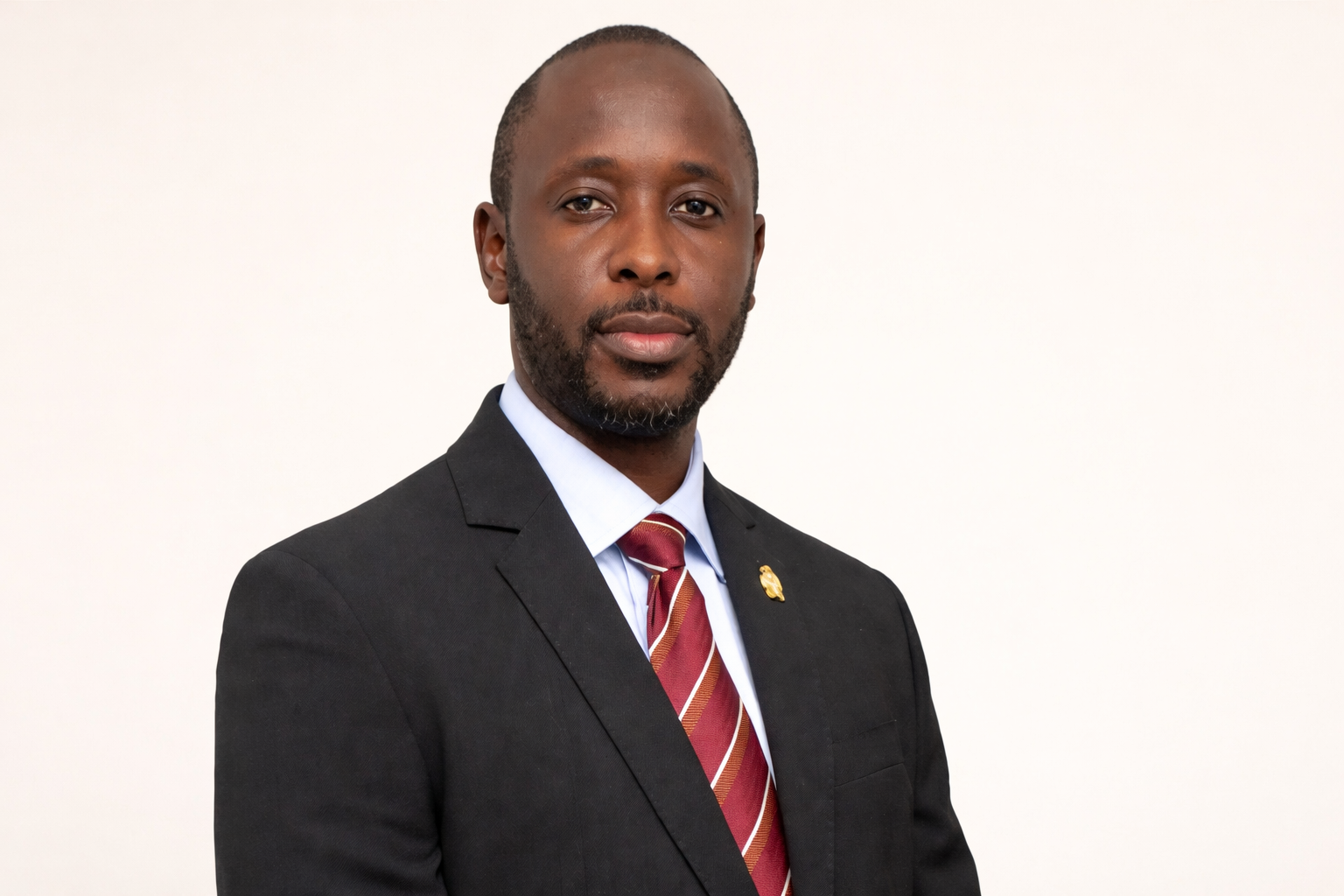
At a time when economic uncertainty, policy shifts, and global market disruptions dominate business conversations, Iyin Aboyeji delivered a steady, deeply reflective message to entrepreneurs during his recent appearance at EnterpriseCEO Xchange. The session was not merely a conversation about startups or valuations. It was a masterclass in mindset, ecosystem thinking, and the long-term architecture of impact.
From the opening moments, Aboyeji set a tone of thoughtful introspection. He did not position himself as a celebrity founder recounting success stories. Instead, he shared insights as a strategist, an ecosystem builder, and a mentor, inviting participants to explore entrepreneurship as a discipline of both intellect and character. His discussion moved seamlessly between his personal journey and the structural realities shaping African markets, making it clear that sustainable growth is a product of both vision and systemic understanding.
YOU CAN ALSO READ: Championship Mindset: The Business Evolution of Magic Johnson
Best known as the co-founder of Andela and Flutterwave, and now the Founder of Future Africa, Aboyeji has spent over a decade shaping Africa’s innovation ecosystem. Yet during the session, he deliberately reframed the conversation away from unicorn valuations. Building billion-dollar companies, he emphasized, was never the primary goal. Instead, each venture was a deliberate instrument to strengthen ecosystems, solve real problems, and create lasting impact.
He recounted his formative years in Canada, where exposure to structured innovation hubs revealed a vital truth: thriving startup ecosystems are never accidental. They require strong universities, aligned capital, mentorship-rich networks, regulatory clarity, and collaborative frameworks. Recognizing the absence of these conditions in many African markets, Aboyeji was compelled to return home, seeking not just to build companies, but to replicate systemic support structures he had seen abroad.
This perspective informed the creation of Andela, a company that positioned African software talent as globally competitive, and Flutterwave, a fintech solution addressing continent-wide payment infrastructure gaps. Each initiative was designed with an eye toward long-term ecosystem impact, rather than short-term personal accolades. Aboyeji’s philosophy is clear: entrepreneurship is most powerful when it simultaneously solves problems and nurtures the broader community in which it operates.
A recurring theme in his conversation was the critical importance of separating personal identity from entrepreneurial outcomes. Aboyeji spoke candidly about early business failures, particularly in the education sector, where initial ventures did not achieve traction. Rather than internalize these setbacks, he treated them as data points in a learning journey. Failure, he asserted, is a feature of experimentation, not a judgment on one’s capability.
This mindset, he explained, enables founders to pivot, iterate, and adapt without the weight of personal ego. Entrepreneurs who overly attach themselves to their initial ideas risk stagnation. In contrast, those who treat ventures as experiments maintain the flexibility necessary to identify new opportunities and align resources effectively.
Aboyeji also challenged the common obsession with capital. While financial resources are essential for scaling, he emphasized that money alone cannot resolve structural challenges. Entrepreneurs must first develop a nuanced understanding of the problems they seek to solve, the people affected, and the potential solutions. Without this insight, injections of capital may exacerbate inefficiencies rather than resolve them, creating fragile ventures that fail under the weight of their own assumptions.
Mentorship and strategic partnerships were highlighted as pivotal in bridging knowledge gaps. Aboyeji openly shared that he never had all the information necessary when starting his ventures. What accelerated his growth was access to experienced operators, advisors, technical experts, and seasoned founders—whose tacit knowledge could not be gleaned from textbooks. He described entrepreneurship as the interplay between formal research and experiential wisdom, with the latter often proving decisive.
Through Future Africa, Aboyeji now channels these insights into empowering a new generation of founders. The firm goes beyond funding, providing guidance on strategy, ecosystem integration, and long-term thinking. Its vision is to cultivate African entrepreneurship as a networked system, where impact is amplified not by isolated successes, but through coordinated, mission-driven communities of innovators.
Throughout the session, Aboyeji’s reflections reinforced the idea that building enduring businesses requires intellectual humility, emotional resilience, and the courage to experiment. His narrative was a call to founders to embrace systemic thinking, to measure success beyond profit, and to prioritize creating meaningful change over chasing visibility or acclaim.
YOU CAN ALSO READ: Policy, Capital, Infrastructure Key to Africa’s Shared Prosperity, BUA’s CEO Insists
The EnterpriseCEO Xchange audience walked away with more than inspiration, they gained actionable frameworks for leadership and business growth under complex conditions. Aboyeji’s session underscored that in today’s dynamic African markets, success is defined by clarity of vision, adaptability, strategic partnerships, and a relentless focus on long-term impact.
In a landscape obsessed with immediate results, Iyin Aboyeji’s message was both grounding and aspirational. Africa’s future, he argued, belongs to founders who see beyond valuations, who cultivate ecosystems alongside ventures, and who understand that sustainable transformation starts with disciplined thinking, mindset mastery, and the courage to iterate relentlessly.
This session reminded all present that entrepreneurship is not a sprint but a continuum, a commitment to solving problems thoughtfully, empowering others, and creating legacies that outlast individual companies. Aboyeji’s insights positioned him not just as a founder of unicorns, but as a thought leader shaping the very architecture of African enterprise.