Building something meaningful, Adedoyin Balogun had learned, required more than talent or capital. There had been highs and lows. Some seasons, revenue had been scarce; other times, even his passion had felt depleted. What had sustained him was certainty, a deep conviction that the path he walked was the one he was meant to take.
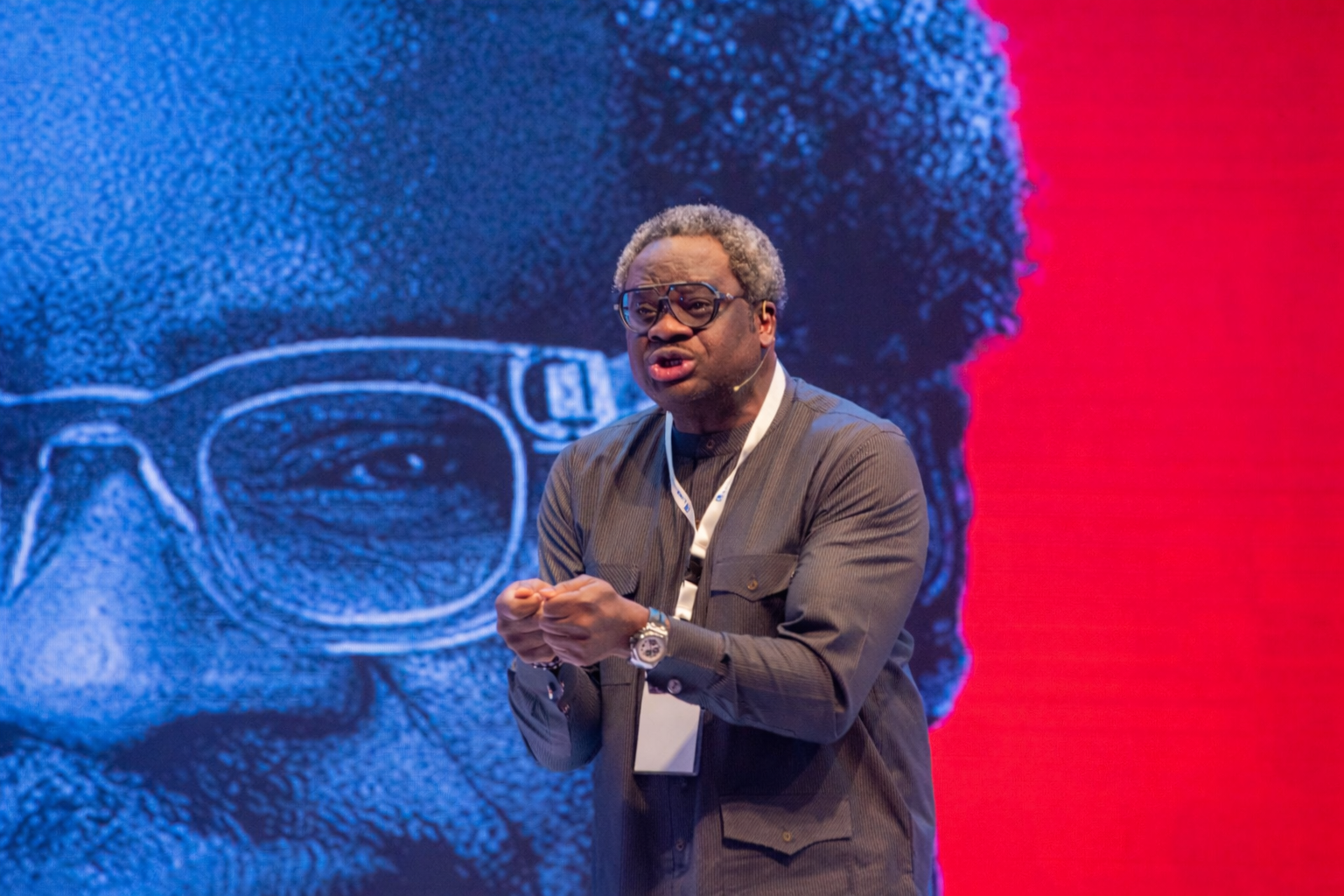
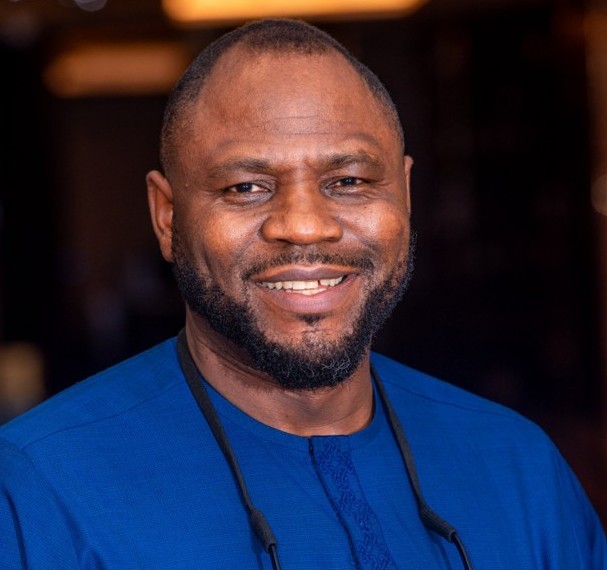
Balogun was more than a tailor. As the founder and creative director of Baldon Clothiers, he had become a fashion entrepreneur who reshaped Africa’s luxury landscape. His brand had earned a reputation for precision tailoring, executive accessories, and timeless style for Nigeria’s elite. Every detail had mattered. Every client experience counted. His work reflected a rare combination of African craftsmanship, strategic thinking, and operational discipline.
From the beginning, Balogun had challenged common misconceptions about success in fashion. He reframed the conversation with data, not drama. By serving a focused, premium clientele at scale, he demonstrated that luxury fashion in Africa could be commercially viable without spectacle or shortcuts.
YOU CAN ALSO READ: Khaby Lame Seals $900 Million Deal, Expands Global Commercial Business
His journey had begun far from glamour. While studying Pure and Applied Chemistry at the University of Jos during prolonged strikes, he had stumbled into entrepreneurship by selling T-shirts. Demand grew. Shirts evolved into collections. Then structure, then systems. With limited capital but relentless execution, he had built a business that sustained him even before graduation.
Choosing fashion as a full-time career had not been celebrated. Family opposition and social skepticism had challenged him, but the choice had been simple, though brutal. It had to work. Through years of night bus travel between Abuja and Lagos, self-funded operations, and uncompromising standards, Balogun had learned lessons that later defined his philosophy. Diligence mattered more than titles, consistency outperformed hype, and working smart required working hard first.
He once attempted a pop-up shop in London. The venture had not recouped its investment, and he later reflected, “I would have spent all that money expanding to other African countries rather than trying to do something in the UK.” His philosophy had always been Africa first. West African markets were safer, cheaper, and logistically more sensible. They understood the culture and craftsmanship in ways foreign markets often did not.
Over more than twenty years in the industry, Balogun had come to understand that fashion entrepreneurship was about management, scale, and systems, not tailoring alone. During a Milan Fashion Week visit, he had observed the structured ecosystem of designers, pattern makers, tech specialists, and buyers. A runway collection had required coordinated teams, large-scale production, and buyers ready to stock hundreds of pieces, a level of scale Africa had yet to replicate. Factory rejects were repurposed abroad in a billion-dollar industry, highlighting the gap between potential and reality at home.
Nigeria’s fashion economy, he noted, remained largely informal and import-dependent. Annual consumer spending was estimated at 2.5 to 6 billion dollars, but the sector contributed only 129 million dollars to GDP. Most of the value was lost to imports and informal retail. While these figures revealed untapped potential, achieving scale required knowledge, manpower, accessible finance, and reliable logistics.
For aspiring designers, Balogun’s advice had been clear. Be certain you wanted a long-term career in fashion. Choose a specific segment, men, women, kids, or corporate wear, and specialize. Gain business education. Fashion was, first and foremost, a business. Prepare for hard work beyond glamour. Seek mentorship to avoid costly mistakes. Understand artisans. Their motivation was monetary, not brand loyalty. Pay them fairly and respect their craft. Manage yourself. Your temperament and mental space were crucial. Always improve and maintain a unique selling point because clients would compare and switch otherwise.
Balogun had envisioned retail stores where customers could pick up ready-made fashion pieces without bespoke fittings, a model akin to global brands like Zara. Expansion across Africa was on the horizon, but logistics and infrastructure had remained critical challenges.
YOU CAN ALSO READ: How Khaldoon Khalifa Al Mubarak Is Shaping the Future of Global Capital
There had been real money in the business, he explained. Serving just 500 clients monthly, each spending an average of 500,000 Naira, could generate 250 million Naira per month or 3 billion Naira annually. After costs, profit remained substantial, but scale, consistent production, and market access were essential. Above all, clothing was a fundamental human need, ensuring the market existed.
Balogun’s story was never about overnight success. It was about conviction, patience, and mastery of craft. A reminder that the most powerful businesses were built quietly, deliberately, and from the ground up. By the time he had established Baldon Clothiers as a benchmark of African luxury, it was clear that he had not just tailored garments, he had tailored a legacy.