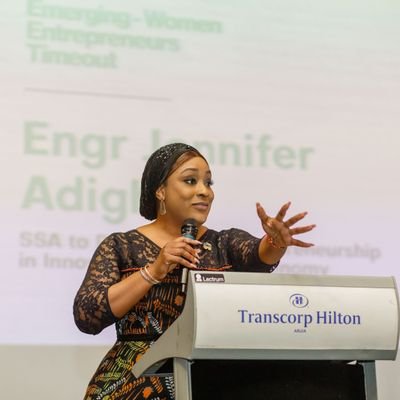
Managing Director and CEO of Niger Delta Power Holding Company Jennifer Adighije presented a very different and positive narrative one focused on unlocking dormant capacity and rebuilding the electricity system in Nigeria from the ground up.
The company was created in 2005 under the National Integrated Power Project initiated by former President Olusegun Obasanjo. Its mission was to accelerate power generation and close critical infrastructure gaps. Nearly two decades later, the results are significant: ten power plants built across ten states, eight completed, six fully operational, and about 4,000 megawatts of installed capacity. That figure represents nearly a third of Nigeria’s total power generation potential.
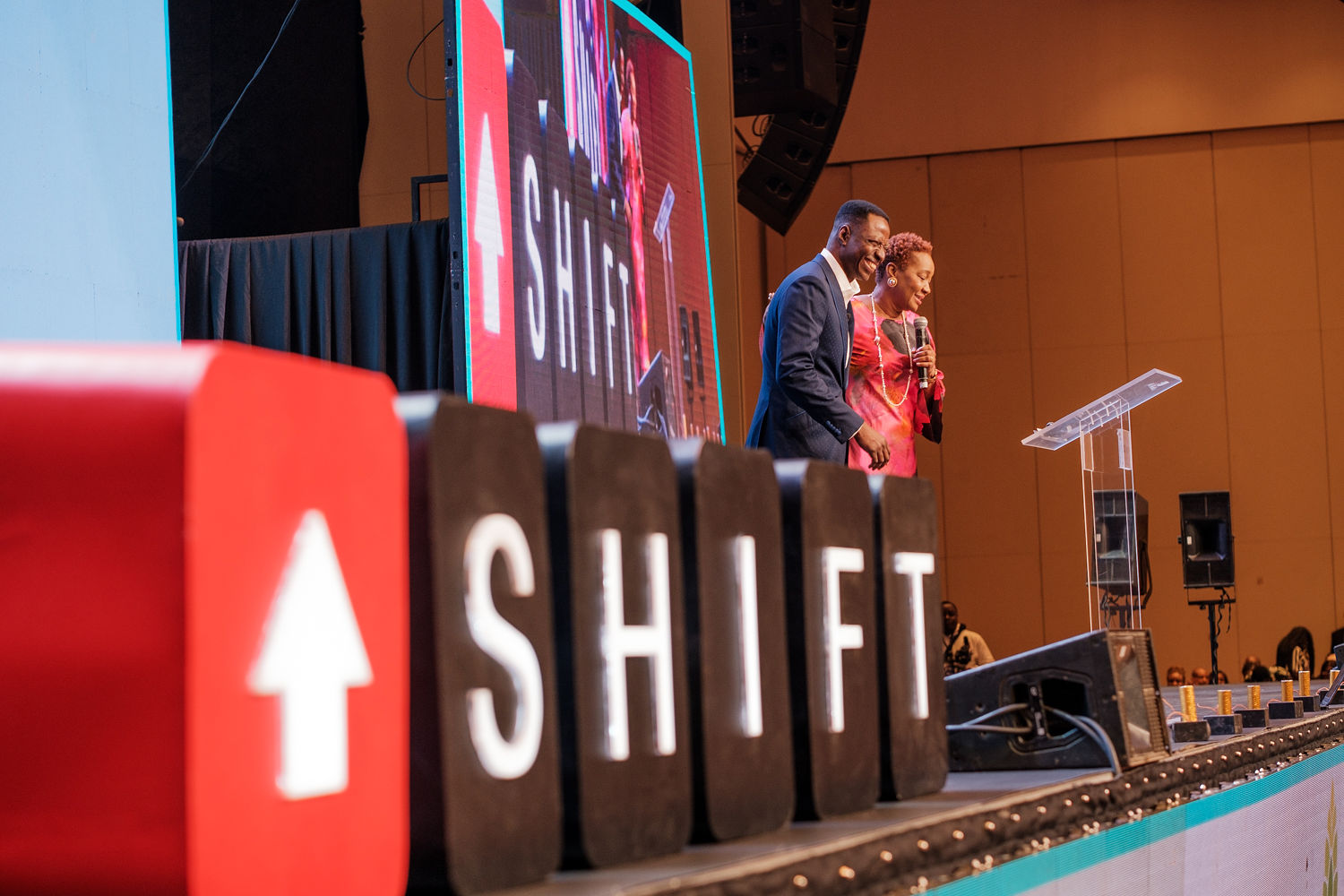
YOU CAN ALSO READ: Lead the Shift. Own the Future.
Yet the real revolution, Adighije explained, lies in changing how the country thinks about electricity. Nigeria’s biggest challenge is no longer generation alone. The country can produce more electricity than it currently delivers. The real bottleneck is transmission. Without a stronger grid, power cannot move from plants to homes and businesses. Her message was clear: the future of electricity in Nigeria depends on building a system that can carry the power already available.
To tackle this, the company has aggressively invested in transmission support. It has delivered about 9,000 MVA of transformer capacity and thousands of kilometers of transmission lines to strengthen the national grid. These investments are designed to create the backbone needed for a modern and reliable electricity system.
Since taking office in August 2024, Adighije has focused on recovering stranded capacity. Through repairs, upgrades and partnerships with equipment manufacturers, about 900 megawatts of idle power have already been restored. Around 2,000 megawatts are now ready to be dispatched as soon as grid capacity improves. This shift signals a move from simply building power plants to fully activating the assets already in place.
YOU CAN ALSO READ: Flutterwave CEO, Olugbenga Agboola Invests $22million in Nigerian Drone Company
She also addressed the financial reset required to sustain the sector. Power generation relies heavily on gas, which makes up roughly 60 percent of operating costs. For years, poor payment rates slowed progress. But improved tariff reforms have increased settlements and begun restoring confidence in the market.
Adighije’s broader vision is a power sector built on stronger transmission, smarter metering, and cost-reflective tariffs supported by targeted subsidies. If executed successfully, she believes Nigeria can unlock its stranded electricity, attract new investment and move toward reliable power supply. The transformation, she argues, is not a distant dream but a system already beginning to take shape.