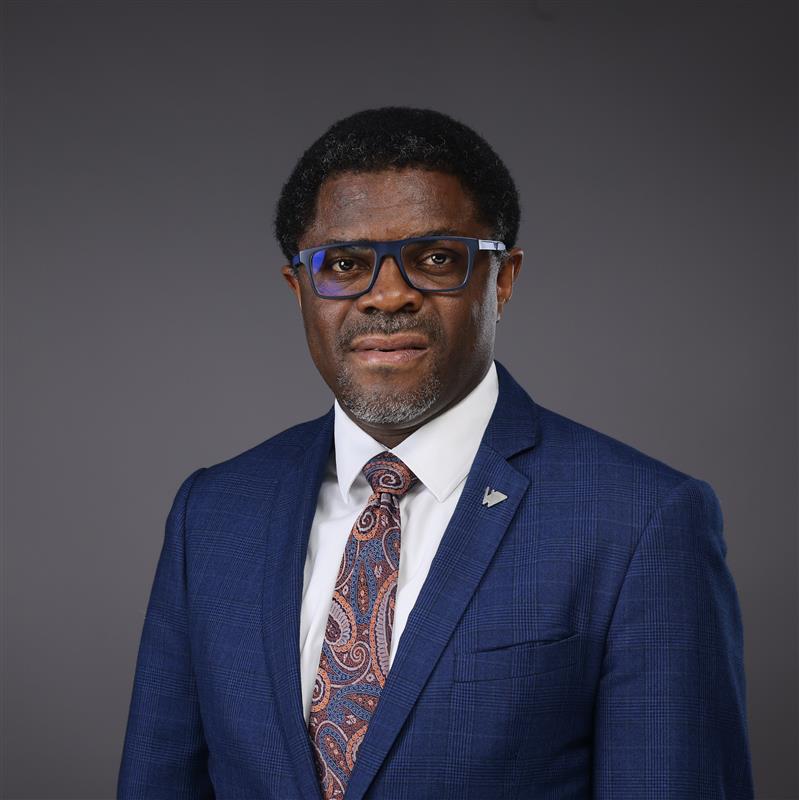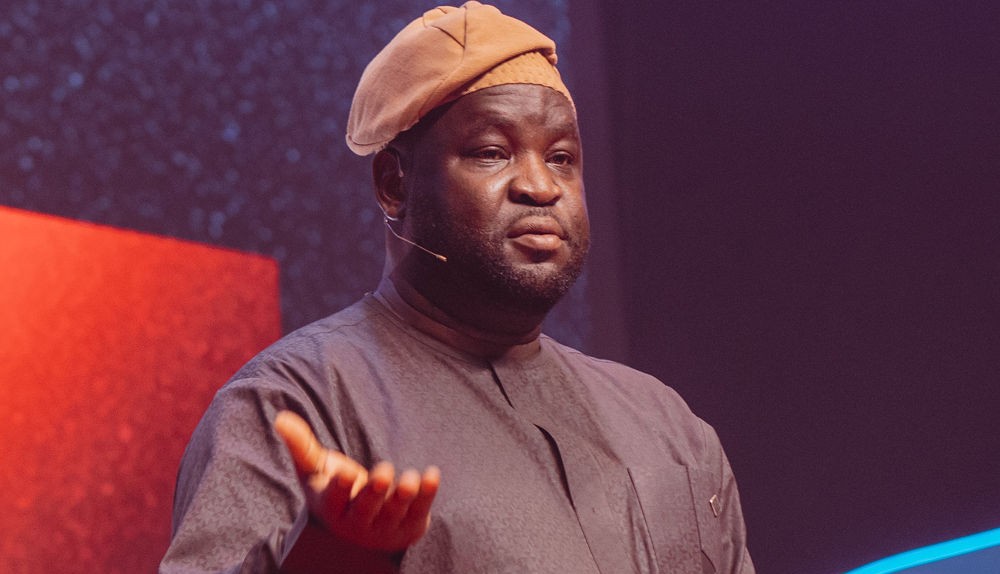
Taopheek A. Babayeju
Enterprise transformation rarely collapses in dramatic fashion. It does not usually explode in public failure or announce its demise with a formal memo. More often, it erodes quietly. Momentum slows. Priorities blur. Energy thins out. What began as a bold reinvention gradually becomes another initiative competing for oxygen in an already crowded system.
In my experience, the issue is rarely a lack of effort. Organizations invest heavily. Leaders convene strategy sessions. Consultants deploy frameworks. Teams stretch themselves to deliver. Yet despite all this activity, outcomes fall short of ambition. The problem is not effort. It is imbalance.
Transformation at enterprise scale is not a single program or a rebranding exercise. It is an orchestration across four interdependent forces: portfolio, projects, people, and product. These are not optional components. They are structural pillars.
YOU CAN ALSO READ: Brilliant but Stuck: The Gap That Stops Technical People from Becoming CEOs
At the portfolio level, transformation must be anchored in strategic clarity. A portfolio is more than a list of initiatives; it is a declaration of intent. It answers the difficult questions: What truly matters? What will we fund decisively? What will we stop doing? Without that discipline, organizations attempt to transform while still protecting every legacy priority. The result is diluted focus. Capital is spread thin. Signals from leadership become inconsistent. In such an environment, transformation does not fail outright; it simply stalls under the weight of contradiction.
Execution lives in the project layer. This is where vision meets reality. However, many enterprises overload themselves at this stage. They launch too many initiatives simultaneously, underestimate complexity, and ignore interdependencies. Activity increases, but coherence decreases. Teams become busy yet unproductive. Deadlines slip quietly. Fatigue accumulates. Transformation requires sequencing and disciplined pacing. Not everything must move at once. Strategic restraint is often a stronger indicator of maturity than aggressive expansion.
Yet even the most well-structured portfolio and meticulously managed projects cannot survive disengaged people. Transformation is emotionally demanding. It disrupts routines, challenges identity, and introduces uncertainty. Leaders frequently communicate the mechanics of change but neglect its human implications. People need context before commitment. They need capability before accountability. They need psychological safety before performance. Culture does not resist change for the sake of resistance; it resists perceived threats to meaning and stability. When transformation honors institutional strengths while inviting evolution, it gains advocates rather than skeptics.
Ultimately, transformation must manifest in the product. Strategy decks and internal dashboards do not determine success; customers do. Whether the enterprise delivers services, platforms, or physical goods, the market becomes the final evaluator. If customers do not experience improved value, speed, relevance, or quality, then transformation remains internal theater. Product is proof. It is the tangible expression of alignment across strategy, execution, and culture.
The quiet erosion of transformation begins when one pillar outpaces the others. A sophisticated portfolio without disciplined execution produces elegant stagnation. High-performing project teams without strategic clarity generate motion without direction. Engaged employees without product relevance create enthusiasm without impact. Bold product ambition without governance leads to fragmentation. Balance is not a soft ideal; it is structural necessity.
Over the years, as an entrepreneur, transformation leader, and institution builder, I have come to understand that sustainable change is less about dramatic reinvention and more about disciplined orchestration. Institutions outlast individuals when they develop systems that reinforce alignment rather than rely on charismatic momentum. Recognition and milestones are meaningful, but they are secondary to the deeper work of building structures that endure beyond personalities.
YOU CAN ALSO READ: From Classroom to Boardroom: Taopheek Babayeju Returns to LASU, Launches Project1500, ₦15M Endowment
Transformation should not be treated as an event with a launch date and a closing ceremony. It must become a capability embedded within the enterprise. Organizations that endure are not those that execute one massive turnaround. They are those that continuously recalibrate without losing coherence. They refine their portfolios with courage, execute projects with discipline, invest in their people with intention, and measure success through product relevance.
Most transformation efforts do not fail dramatically. They erode quietly when imbalance sets in. But when portfolio, projects, people, and product move in harmony, transformation does more than succeed. It compounds. And compounding institutions do not merely adapt to change; they shape the environments in which others must operate.
That is the difference between change that fades and transformation that endures.
Taopheek A. Babayeju is an entrepreneur, transformation leader, and institution builder; 2024 PMI Eric Jenett Person of the Year, author, and keynote speaker, serving as CEO of iCentra; Group CEO, CellBourn Holdings, and Founder, TAB Foundation.