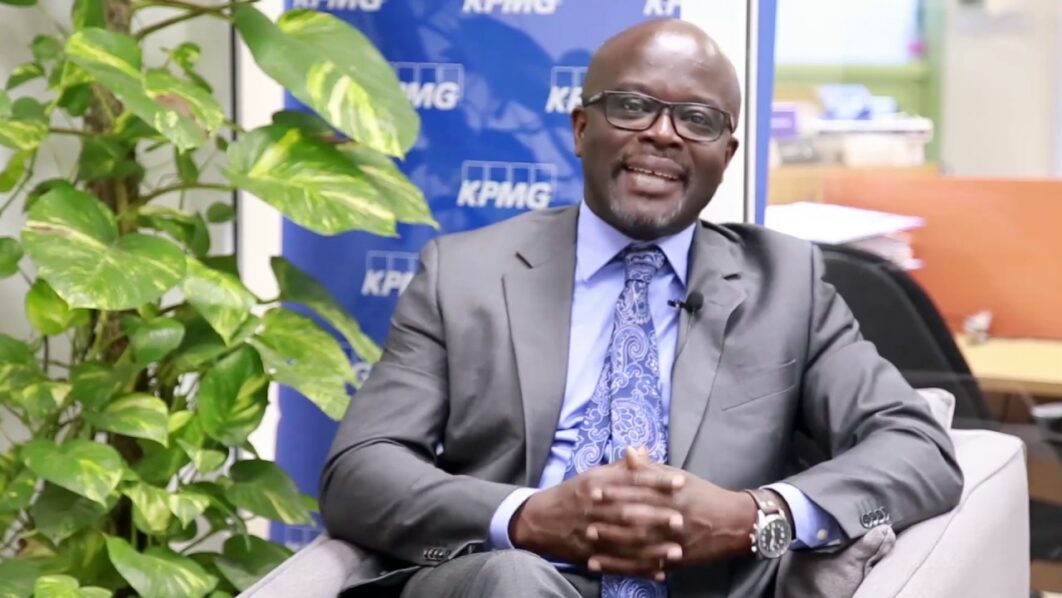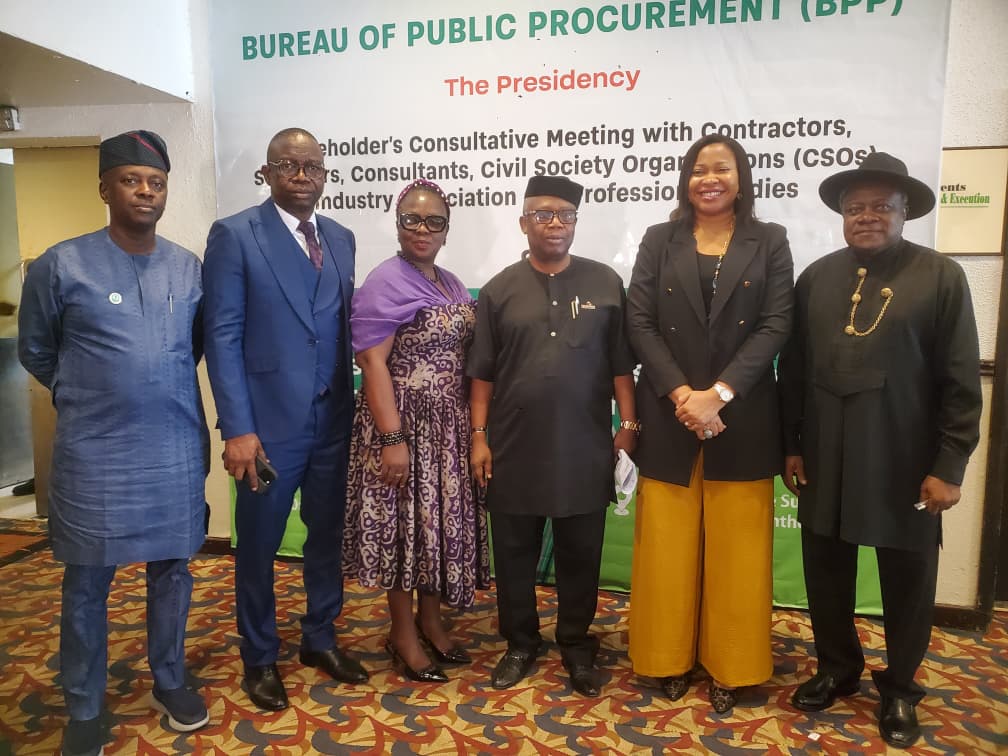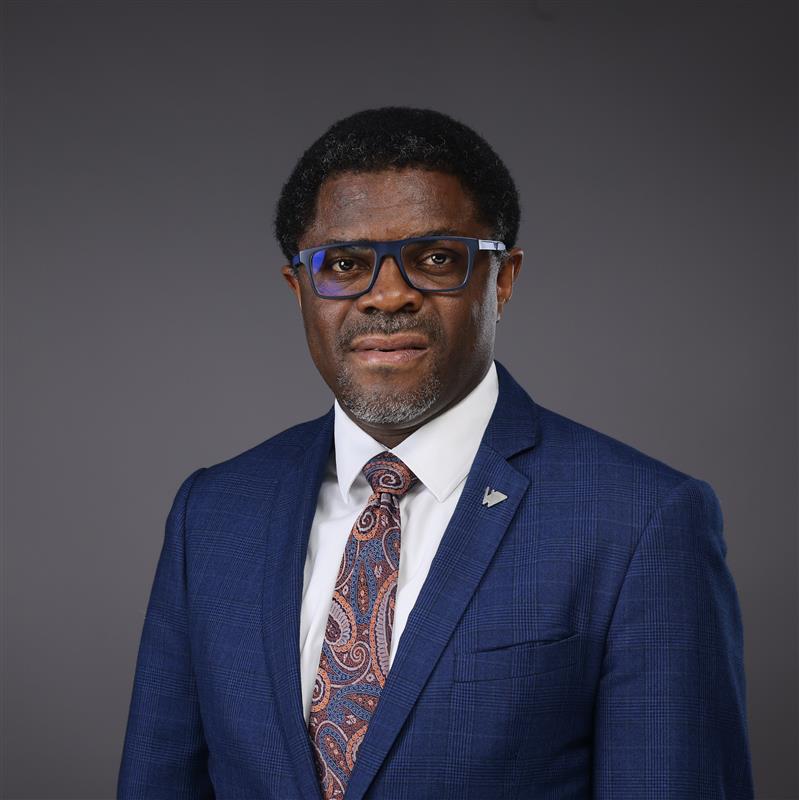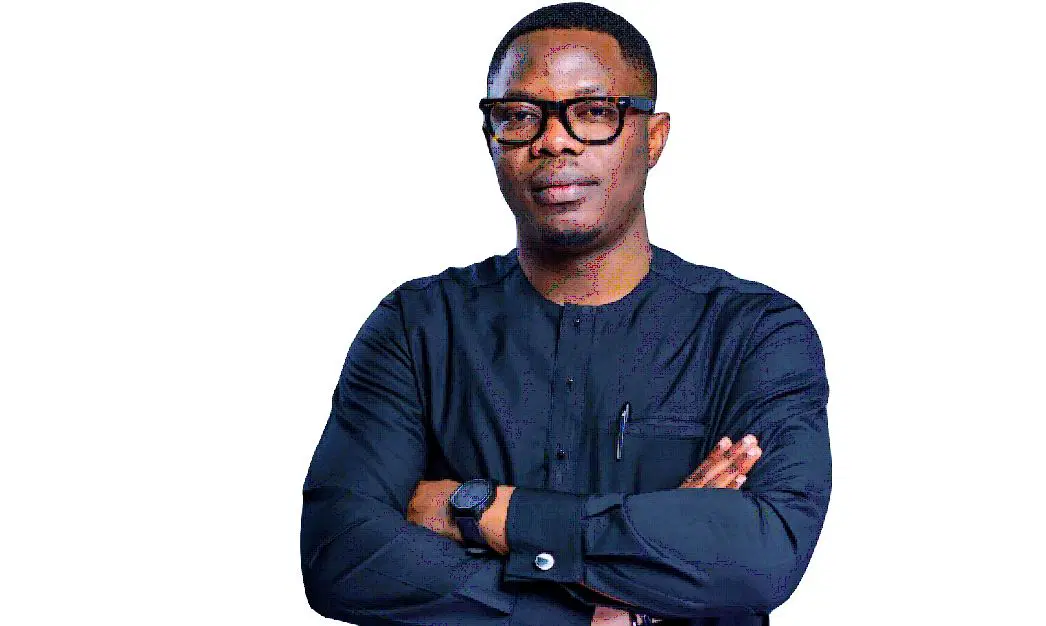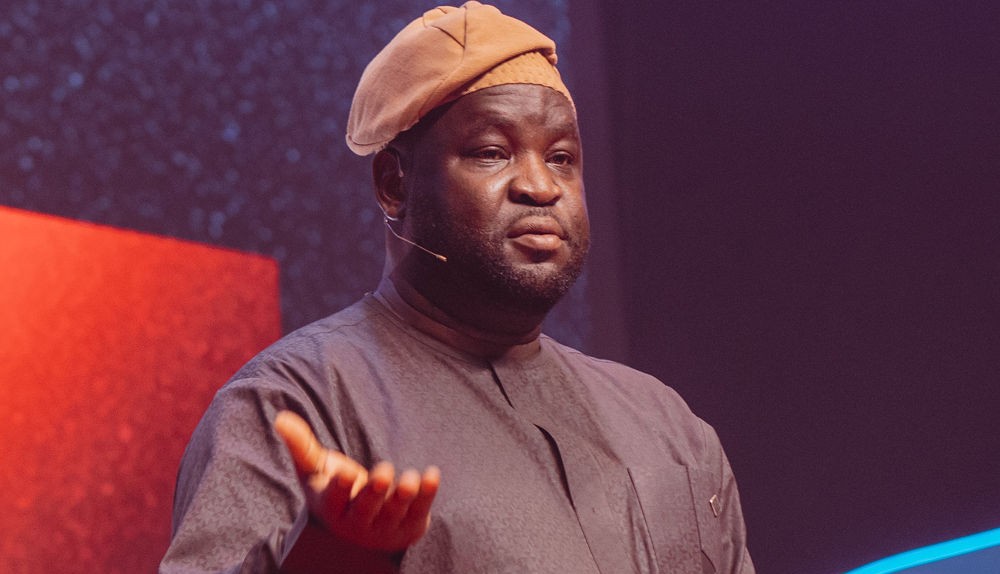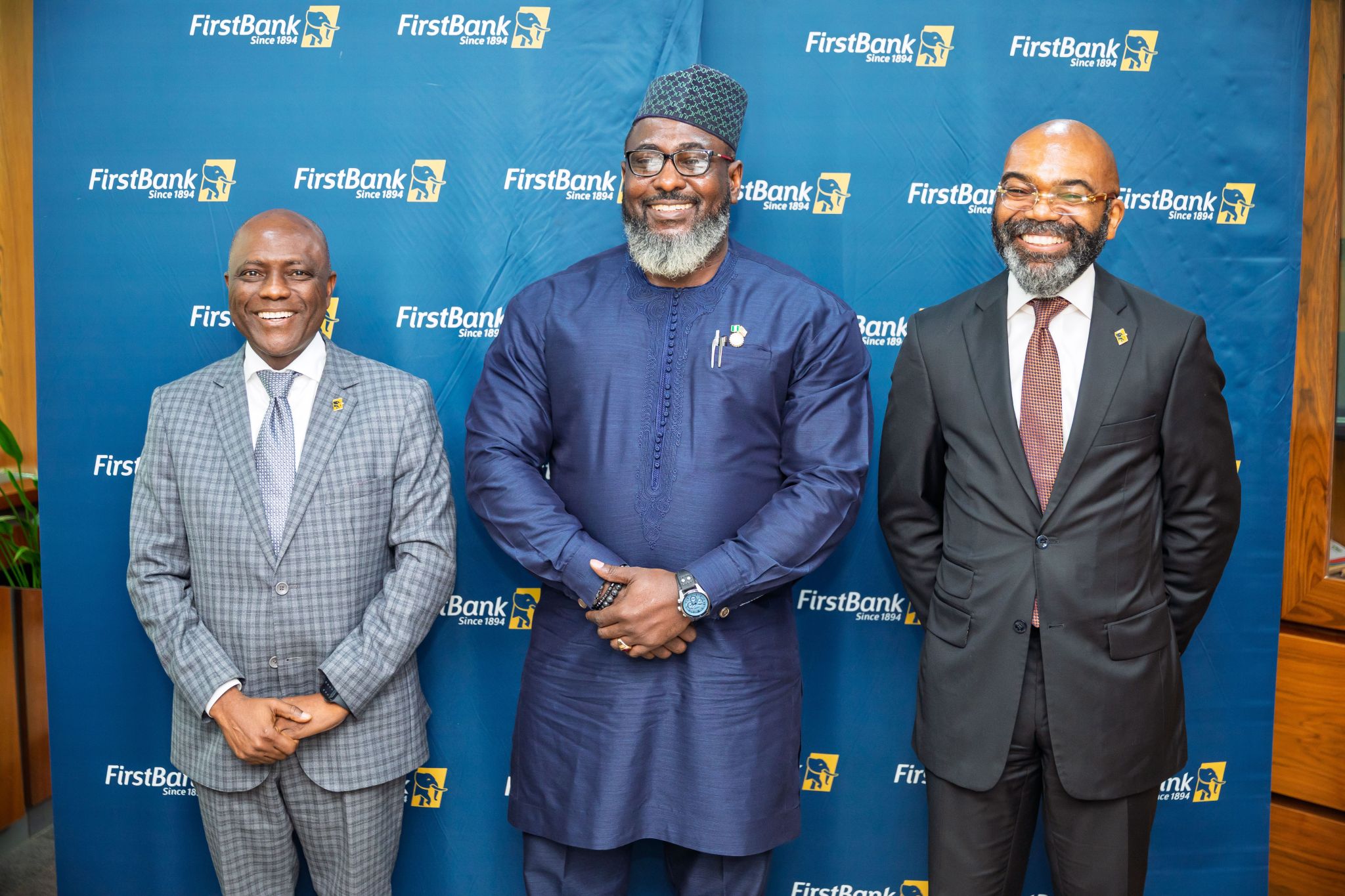
In a strategic engagement aimed at deepening Nigeria’s economic dialogue, the Nigerian Economic Summit Group, led by its Chief Executive Officer Tayo Aduloju, paid a courtesy visit to the headquarters of First Bank of Nigeria Ltd where they were warmly received by Managing Director and CEO Olusegun Alebiosu and members of the bank’s executive leadership team, including Deputy Managing Director Ini Ebong, Chief Economist Chinwe Egwim, Head of Strategy and Corporate Development Chike Uzoma and Acting Group Head of Marketing and Corporate Communications Olayinka Ijabiyi.
The meeting underscored a shared conviction that Nigeria’s next wave of economic expansion will be driven less by centralized gains and more by the rising competitiveness of its regions and subnational economies. Participants highlighted the growing importance of empowering states to become engines of industrial productivity, export growth and job creation. A renewed focus on disciplined execution, turning strategic plans into measurable outcomes, was identified as the cornerstone of sustainable development.
YOU CAN ALSO READ: How Hybrid Cloud is Reshaping Financial Services – Wema Bank’s Innovation Story
Attention also turned to the power sector where discussions emphasized the urgent need to move beyond policy frameworks toward financed and deployable projects. Stakeholders advocated a deal book approach to infrastructure development that prioritises structured financing and rapid delivery of electricity generation and distribution assets. As states assume greater autonomy in economic planning, their capacity to originate bankable projects and execute them with efficiency will increasingly define regional prosperity.
Logistics and corridor competitiveness emerged as another critical pillar of growth. Persistent inefficiencies, extended port dwell times, congested transport corridors, inadequate rail connectivity to production hubs and suboptimal cargo performance continue to sap national productivity. Addressing these bottlenecks is seen as essential to unlocking domestic manufacturing potential and accelerating export-led expansion. A more efficient logistics ecosystem would lower the cost of business and strengthen Nigeria’s position in global value chains.
Food security and agricultural productivity formed a significant strand of the conversation. Stakeholders expressed concern over declining yields in staple crops such as rice and maize, warning that the influx of cheaper imported foods could weaken incentives for domestic production. This dynamic raises complex policy questions around subsidy design and agricultural support. Should resources be channelled toward improving efficiency within existing frameworks, or is a structural rethink required? Expanding investment in horticulture and higher value agricultural segments was highlighted as a pathway to diversify rural incomes and enhance food sovereignty.
The dialogue also confronted Nigeria’s deepening social and human capital challenges. Rising unemployment and vulnerability, particularly in conflict affected regions of the North East and North West, risk entrenching cycles of deprivation and intergenerational disadvantage. Participants stressed that safeguarding young people from these shocks is not merely a social imperative but an economic necessity. Human capital development must be treated as a strategic investment in national productivity and long term stability.
YOU CAN ALSO READ: Prosperity Is Engineered: John Olajide’s Strategic Case for Nation Building
By fostering candid exchanges and strategic collaboration, the engagement between NESG and First Bank reflected a broader commitment to reimagining Nigeria’s growth trajectory. Regional competitiveness, infrastructure financing, logistics reform, agricultural resilience and human capital development were identified as interconnected levers of transformation. The challenge now lies in converting dialogue into action, building institutions and projects capable of delivering tangible improvements in livelihoods and economic opportunity.