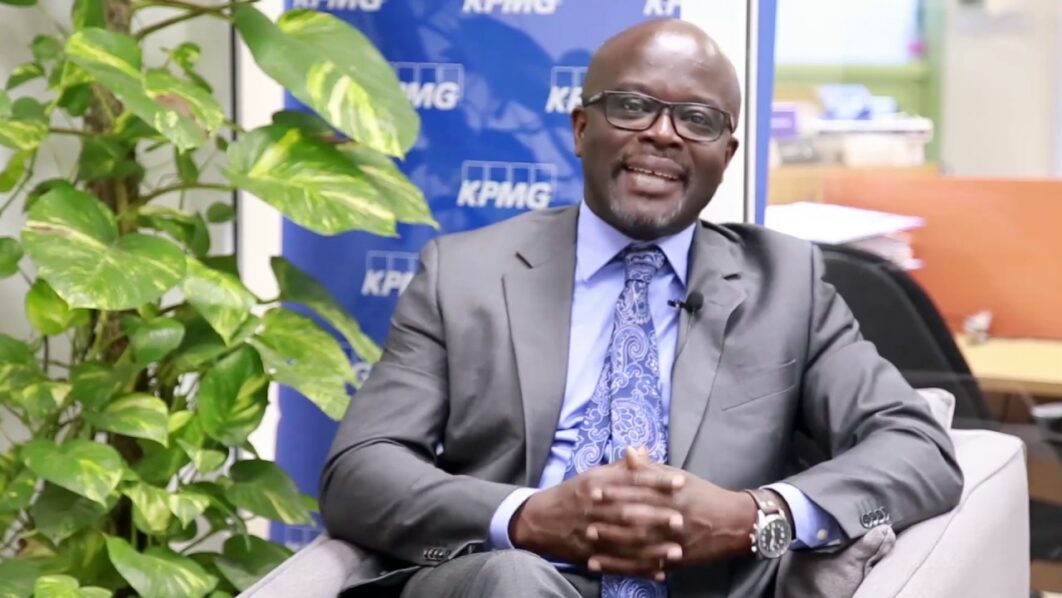
Nigeria’s monetary policy is at a pivotal moment, and insights from industry leaders underscore both caution and opportunity as the economy evolves. According to Lawrence Amadi of KPMG Africa, the recent 50-basis-point rate cut represents a measured step toward growth after significant progress in reducing inflation, signaling an effort to balance stability with economic stimulation.
He emphasizes that financial discipline remains essential, particularly as election-related spending typically increases liquidity pressures, and that businesses require access to credit but expansion must be grounded in risk management and institutional resilience. Amadi also notes Nigeria’s structural dependence on oil as a source of foreign exchange, arguing that diversification into manufacturing, technology, and other productive sectors is critical for long-term sustainability and resilience against global commodity shocks.
From a market and research perspective, Dr. Patrick Edimedia of Sterling Asset Management Trustees Limited views the monetary adjustment as evidence of evolving policy priorities, highlighting that easing inflation creates space for growth-oriented measures while still safeguarding price stability. He acknowledges that lower interest rates could encourage business investment if effectively transmitted, yet remains cautious about external risks such as oil price volatility and pre-election spending, which could increase liquidity and inflationary pressures.
Rather than treating fiscal activity as inherently problematic, Edimedia advocates directing government expenditure toward productive investments in infrastructure and human capital that generate long-term value and economic expansion. Both perspectives converge on a fundamental principle: stability and growth must operate in tandem.
Nigeria’s external reserves, now at a 13-year high of $50.45 billion, provide a buffer against immediate shocks, but sustainable progress depends on continued reforms and diversification. Investor confidence is improving, reflected in stronger credit ratings and rising portfolio inflows, yet policy consistency remains crucial to maintaining momentum.
Amadi’s emphasis on risk frameworks complements Edimedia’s focus on strategic investment, illustrating that financial stability and economic expansion are complementary rather than contradictory objectives. Nigeria’s economic journey remains complex, shaped by external pressures and domestic priorities, but it also presents significant opportunities.
Monetary easing, if carefully managed, can stimulate investment without reigniting inflation, while fiscal discipline and infrastructure development can strengthen the foundations of long-term prosperity. The challenge is to transform potential risks into catalysts for progress and ensure that growth benefits businesses, households, and communities alike—an objective that requires informed analysis, strategic decision-making, and collaborative effort from both public and private sectors.