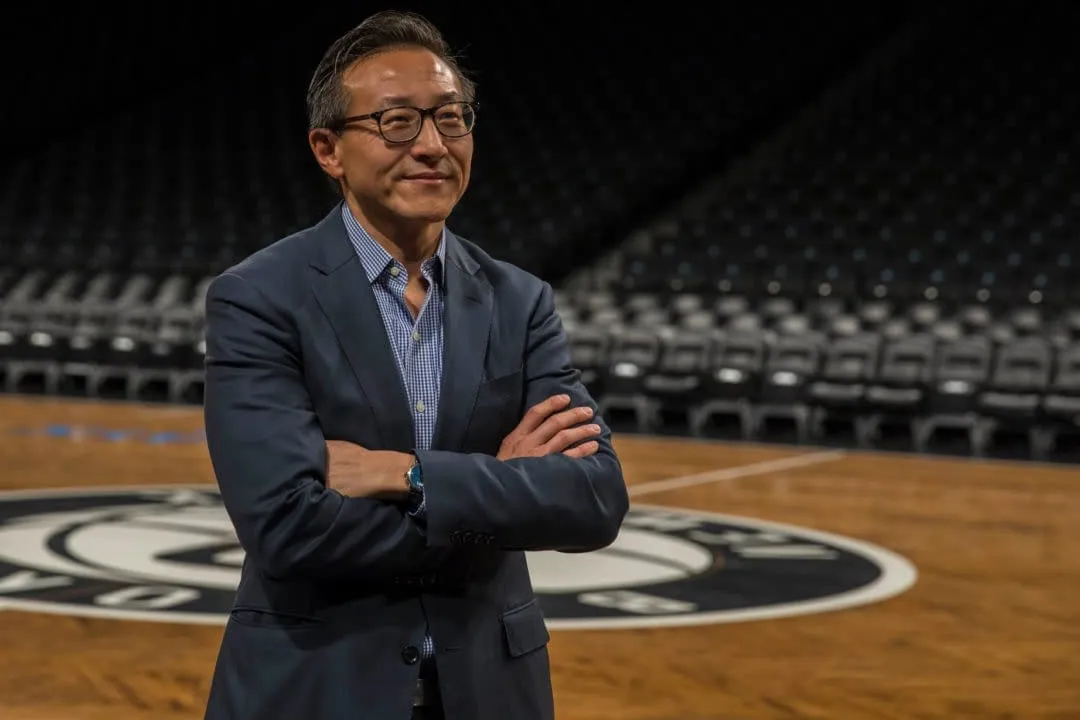
When Joe Tsai left Taiwan at 13 to attend The Lawrenceville School in New Jersey, he spoke little English and knew no one. The transition was difficult. He had memorized vocabulary but struggled to communicate. He looked different, sounded different and felt the pressure to fit in.
Sports became his bridge. After failing to make the baseball and swimming teams, he pivoted to football and lacrosse. That early lesson in resilience would later define his approach to business. Adapt quickly. Find your place. Contribute to the team.
Tsai went on to graduate from Yale University and Yale Law School, building a career in law and private equity. But in 1999, he made a decision that would redefine global commerce. He met a former English teacher named Jack Ma, who had an idea for an online marketplace connecting Chinese manufacturers with global buyers. There was no revenue. No incorporated company. No formal business plan. Just a vision to make it easy to do business anywhere.
YOU CAN ALSO READ: Dangote Cement Secures $1B Deal with Sinoma to Expand African Output
Tsai was convinced not by financial projections but by leadership. He saw in Ma a communicator who could inspire talent and rally teams. More importantly, he believed in choosing the right people over chasing the perfect idea. That philosophy led him to join what would become Alibaba Group as one of its 18 cofounders.
The early fundraising efforts in Silicon Valley were unsuccessful. Investors rejected the concept. Rather than pivot to satisfy venture capital expectations, the founders returned to China determined to execute on their conviction. Eventually, strategic backing from Goldman Sachs and SoftBank followed.
One of the company’s defining moments came with the launch of Taobao, a consumer marketplace built to challenge eBay’s dominance in China. The project was launched quietly from Ma’s original apartment, staffed by a small secret team. Within two years, Taobao overtook eBay China and reshaped the country’s e commerce landscape.
Alibaba expanded aggressively into payments, cloud computing, digital advertising and logistics. In 2014, the company listed on the New York Stock Exchange in what was then the largest IPO in history, cementing its status as a global technology powerhouse.
When Tsai returned as chairman in 2023, he faced a different challenge: restoring focus. The leadership team streamlined operations, doubled down on core e commerce, and prioritized artificial intelligence and cloud computing. Non strategic assets were divested. Capital and talent were reallocated to high impact sectors.
Tsai emphasizes ownership and customer focus as the foundation of innovation. Large organizations, he argues, lose agility when they optimize only for quarterly targets. Sustainable growth requires rapid decision making, tolerance for imperfect information and a willingness to pivot.
YOU CAN ALSO READ: Leadway Assurance Advances Women’s Economic, Health Security
On artificial intelligence, Tsai rejects geopolitical framing. AI, he says, should be treated like electricity or water, a foundational technology that benefits humanity when widely accessible.
Across decades, industries and cultures, one principle remains constant in Tsai’s leadership philosophy: find people you trust, complement each other’s strengths and build with humility. In his view, enduring companies are not built by individuals alone but by aligned teams united around mission and long term value creation.