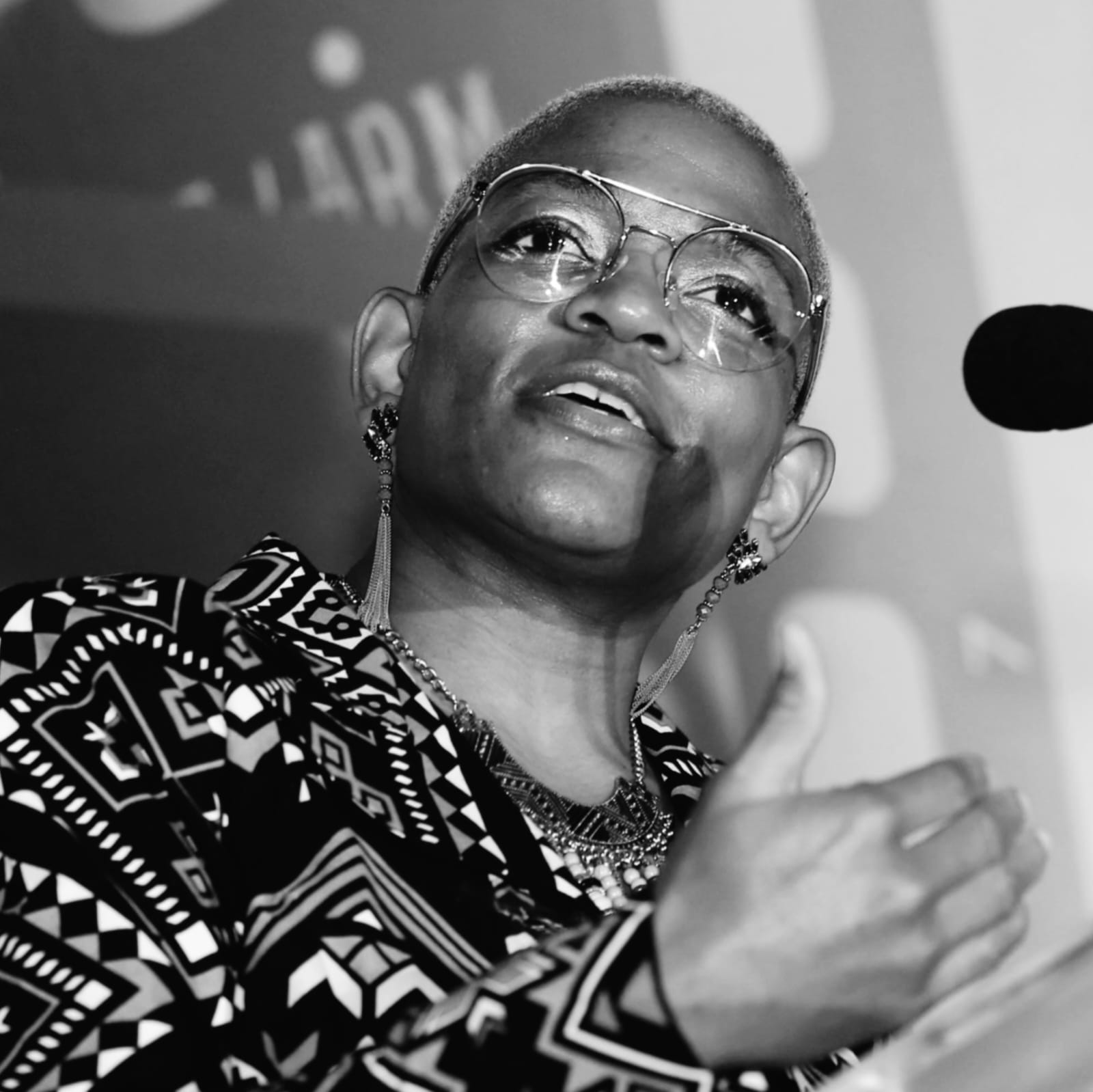
Across the world, the Nigerian diaspora continues to shape global conversations in business, culture, technology, and public leadership. In the United Kingdom, that influence is becoming increasingly visible within the structures of governance, where Nigerians and people of Nigerian heritage are stepping into positions of responsibility and public trust.
Among the rising voices in this evolving landscape is Damiola Ojuri, the Mayor of Ashby-de-la-Zouch in Leicestershire. Her journey from growing up in Lagos to becoming the first Black woman and the youngest mayor of the historic English town reflects the growing influence of Nigerians in public life across the diaspora.
Across the United Kingdom, Nigerians are increasingly participating in civic leadership and public service. From Parliament and national politics to council chambers and local government, members of the diaspora are helping shape decisions that affect everyday life. Their influence extends into areas such as housing, education, community development, and youth engagement. At the grassroots level of governance, where policies directly touch the daily lives of citizens, individuals like Ojuri are helping redefine what representation looks like in modern Britain.
YOU CAN ALSO READ: From Personal Crisis to Public Leadership: The Ada Ibezi Story
Long before politics entered her life, Ojuri had built a career in technology. She is a technology professional with more than a decade of experience in the digital sector and currently works as an IT cloud consultant managing complex cloud environments and enterprise technology systems. Her professional experience has given her a deep understanding of the rapidly changing global economy and the growing influence of artificial intelligence across industries.
She believes societies are entering a new economic era where digital tools and AI platforms are evolving at an unprecedented pace. In such an environment, traditional approaches to education must be complemented with practical learning. Apprenticeships, she argues, are among the most effective ways to ensure that young people acquire relevant skills while adapting to emerging technologies.
This concern became clearer to her during a recent career fair in West Leicester. Although numerous opportunities were presented to young people, she noticed something troubling. There was almost no mention of career pathways connected to artificial intelligence. In a world where AI is already transforming industries ranging from healthcare and finance to logistics and media, the absence of such opportunities raised an important question about how well the next generation is being prepared for the future.
According to Ojuri, failing to address this gap could have serious consequences. Young people may find themselves excluded from emerging economic opportunities while businesses search abroad to fill critical skills shortages. Such a situation could deepen frustration among youth who feel left behind by a rapidly changing economy.
Her solution is straightforward. Governments, educational institutions, and businesses must collaborate to create apprenticeships that train young people to work alongside artificial intelligence rather than compete against it. These programs should prioritize students seeking careers in sectors such as technology, healthcare, and finance while making apprenticeship opportunities more visible and accessible. When young people see technical pathways as credible routes to success, societies can build a workforce capable of thriving in an AI powered future.
For Ojuri, the issue goes beyond employment. She sees it as a matter of fairness, stability, and national competitiveness. Investing in the skills of young people today ensures that they have the confidence and capability to shape tomorrow’s economy.
Despite her strong views on policy and economic development, Ojuri did not originally plan to enter politics. Her journey into civic leadership began in an unexpected place, during a church service.
After moving to Ashby de la Zouch, she began attending a congregation of the Redeemed Christian Church of God in nearby Burton. The church community, largely made up of Nigerians, offered a familiar cultural environment while she adjusted to life in the town.
One Sunday, the pastor delivered a message that would eventually change the direction of her life. The sermon challenged immigrants to look beyond personal success and consider how they could contribute to the communities around them. Many migrants, he said, spend years working hard, buying homes, and achieving financial comfort, but few pause to think about how they might give back.
He mentioned several ways people could serve their communities, including joining community policing, volunteering with the fire service, or entering politics.
Ojuri listened carefully and reflected on the possibilities. Policing, she joked, would probably require more running than she was comfortable with. Firefighting was not particularly appealing either. Politics, however, seemed possible.
Not long afterward, in January 2023, she joined the Labour Party, the political party she and her family had long supported. Only a few weeks later, an internal party message invited members to stand as candidates in the upcoming local elections.
At the time, Ojuri had never heard of the role of a town councillor. Curious, she searched online to understand what the position involved. What she discovered surprised her. Local councillors play an important role in representing residents, supporting community initiatives, and shaping decisions that affect local life.
Encouraged by what she learned, she expressed her interest in standing as a candidate. She was invited for an interview and eventually selected to contest the election.
When her campaign flyers arrived at home and she saw her photograph printed on them, the reality of the moment finally sank in. She remembers sending the image to her pastor and his wife on WhatsApp and telling them with a mix of excitement and disbelief that she was actually running for office.
The church prayed for her campaign.
On the night of the election, a message arrived confirming that she had won a seat as a town councillor. What had begun as a simple decision inspired by a church sermon had suddenly evolved into a new public responsibility.
Ojuri admits that at the beginning she knew very little about politics. She had never met a town councillor before and had little understanding of how local government functioned. Over time, however, she attended meetings, observed experienced colleagues, and gradually learned how the system worked.
Her resilience and determination were shaped long before politics entered her life. She grew up in Lagos with her parents and siblings in a close knit family environment. Even as a young girl she believed she would achieve something significant in the future, though she did not yet know how that would unfold.
Before moving to the United Kingdom, she briefly studied computer science in Bangkok. When she relocated to Britain at the age of seventeen, she had to return to sixth form due to differences in the education system.
Financial difficulties soon followed. At the time she was not eligible for student finance, which meant she had to take two gap years while her family waited for immigration documentation that would allow her to pursue higher education.
Those years were spent working and supporting the household. When the family finally received indefinite leave to remain, her mother made a remarkable decision. Rather than allow her daughter to wait yet another year before studying, she chose to pay the university fees herself.
Ojuri understood the sacrifice this decision represented. Determined not to disappoint her mother, she worked while studying to support herself and ease the family’s financial burden.
While attending Southampton Solent University, she worked part time at McDonald’s. There were moments when money was tight at home, and sometimes when her mother’s bank account did not have enough funds for a direct debit payment, Ojuri would deposit part of her own salary to avoid bank charges.
These experiences instilled a deep sense of responsibility and discipline. Years later, the effort paid off when she graduated with a first class degree in computer science.
Her journey, she often reflects, has been built on the grace of God and relentless hard work.
From councillor to deputy mayor and eventually mayor, Ojuri’s political journey progressed rapidly. Her election as mayor of Ashby de la Zouch marked a historic milestone, making her both the youngest person and the first Black woman to hold the office.
The role placed her at the ceremonial and civic heart of the community. Representing a predominantly white English town as a Nigerian born leader carries symbolic significance, but she approaches the responsibility with humility and dedication.
She spent time observing how previous mayors conducted themselves, learning how they represented the town, supported community organizations, and engaged with residents.
One moment early in her tenure stands out vividly. She traveled to Pithiviers in France, a twin town of Ashby de la Zouch. As she prepared for the trip, the significance of her position began to sink in.
Standing in another country as the official representative of an English town was a powerful experience. The realization that a girl who once grew up in Lagos was now representing her British community abroad filled her with both pride and humility.
Before she departed for the journey, her mother offered a reminder that carried emotional weight. She told her daughter to conduct herself carefully because she was not only representing the town but also the King of England.
The advice added a deeper sense of responsibility to the moment.
As her mayoral term approaches its conclusion in May, Ojuri remains focused on initiatives that celebrate the identity and heritage of the community she serves. One of the key events planned is a mayoral concert that will highlight the history and cultural traditions of Ashby de la Zouch.
The town is also participating in the UK Town of Culture initiative, which encourages communities across the country to showcase their cultural heritage and creative energy.
YOU CAN ALSO READ: ‘AI Could Reshape the Global Job Market Faster Than Expected’ – Andrew Yang Warns
Yet perhaps the most important goal she carries forward is inspiring the next generation to participate in local governance. Having served as both the youngest councillor and the youngest mayor, she hopes more young people will step forward to represent their communities.
Young leaders, she believes, bring fresh perspectives and new ideas that can help shape the future of their towns and cities.
For Nigerians in the United Kingdom who aspire to public leadership, her advice is simple and practical. Join a political party whose values align with your own and begin contributing at the grassroots level. Take time to understand how the system works and learn from those who have served before you.
Leadership requires patience, humility, and the willingness to listen as much as to speak.
And in her own journey from Lagos to the mayoral chambers of Ashby-de-la-Zouch, Damiola Ojuri has shown how determination, faith, and opportunity can converge to open doors that once seemed unimaginable.