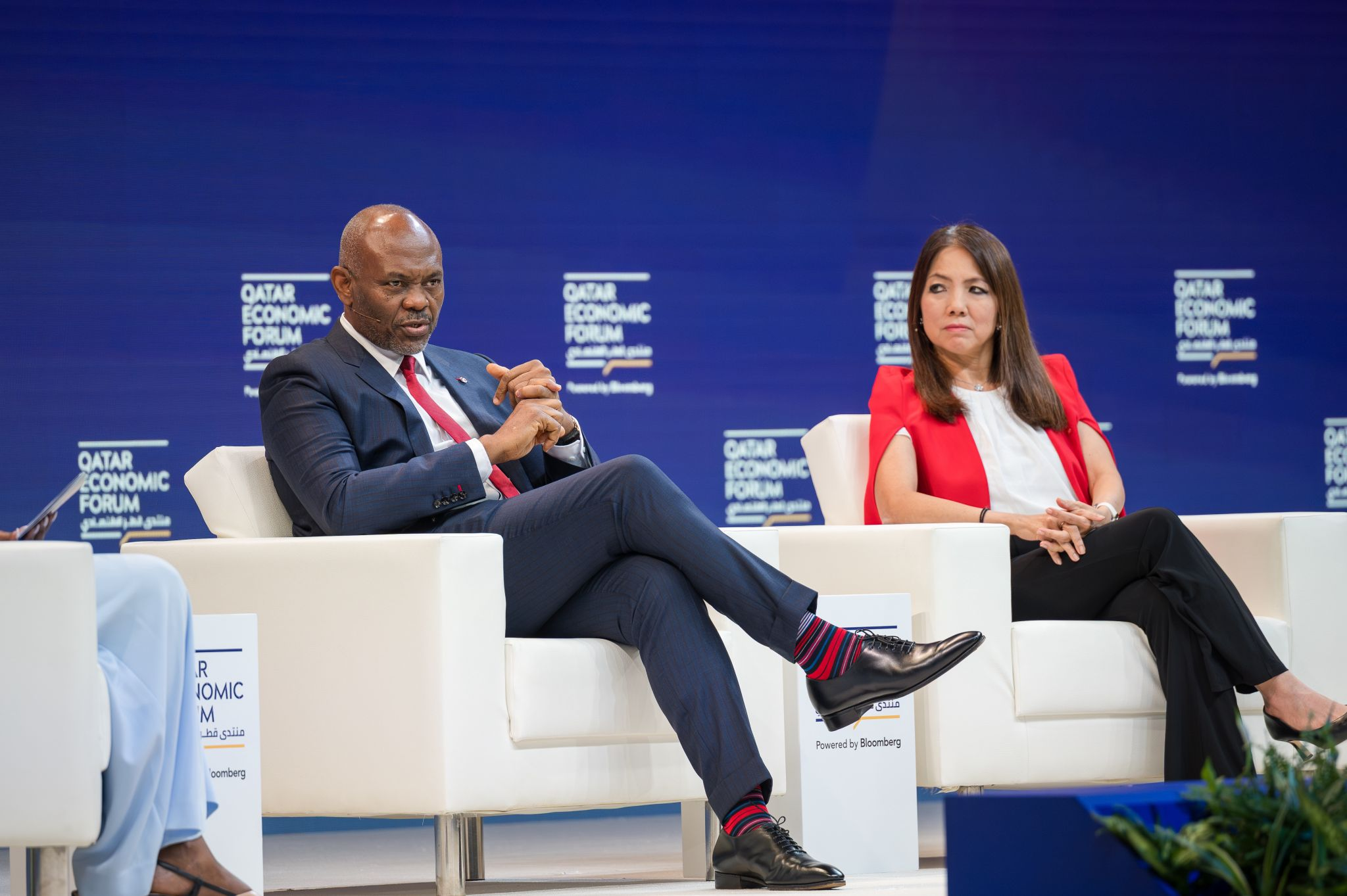
How could a family business outlive its founder and thrive across generations? This pressing question took center stage at the 2026 International Family Business Conference hosted by the Lagos Business School (LBS). Themed “Beyond Survival: Governance Culture as the Foundation of Lasting Family Legacies,” the event aimed to equip family business owners with strategies to safeguard and grow their legacies.
At the forefront of the initiative was the Director of the LBS Family Business Initiative, Dr. Okey Nwuke who spoke about the transformative power of long-term planning for family enterprises. “Family businesses are the backbone of Nigeria’s economy,” Dr. Nwuke noted. “They constituted over 80% of registered companies and contributed more than 70% of GDP. Yet more than 70% of family businesses failed to survive the transition from the first to the second generation.”
YOU CAN ALSO READ: MTN Champions Financial Inclusion, Expands Digital Access Across Africa
Dr. Nwuke emphasized that the conference provided a unique platform for families to learn from one another. “These businesses may face common challenges, and learning from others’ experiences is invaluable,” he said. Over the past three years, attendees reported that insights gained at the conference had been pivotal in shaping long-term strategies, succession planning, and sustainable growth.
While many family enterprises began with a goal of survival, Dr. Nwuke insisted that true longevity required vision beyond the present. Successful founders dreamed of passing on businesses that not only generated wealth but also served a larger purpose. “Even small businesses could grow into industry leaders when guided by thoughtful planning and strong governance,” he explained.
For Dr. Nwuke, the defining characteristic of a family business was ownership, not daily management. Family members might have run operations directly or appointed professionals to manage day-to-day functions while retaining strategic control through governance structures such as the board. “Majority ownership by the family ensured continuity, while governance allowed the business to operate professionally and sustainably,” he said.
Dr. Nwuke highlighted that most failures in family businesses stemmed from internal dynamics rather than market forces. Competence and interest were critical for family members in leadership roles. Without them, a business risked decline, regardless of its financial foundation. Succession planning, separating familial sentiment from business decisions, and establishing effective governance structures were essential for enduring success.
Governance provided accountability and structure, ensuring fair decision-making and professional management. Culture shaped daily operations, influencing recruitment, promotions, and compensation practices. Together, governance and culture allowed family businesses to look beyond immediate challenges and strategically plan for the long term.
Dr. Nwuke argued that legacy was more than wealth accumulation. It was about purpose, community impact, and lasting value. A business that engaged its community, inspired employees, and prepared the next generation left a legacy that endured well beyond the founder’s lifetime.
YOU CAN ALSO READ: Confidence in Action: How Dangote Is Shaping Africa’s Economic Destiny
The 2026 International Family Business Conference was held on Thursday, March 26, at the Echo Bank Pan-African Center in Victoria, starting at 8:00 a.m. Keynote speaker Dr. John Momo, Chairman of Channel Media Group, exemplified strategic succession planning in family businesses. Panels featured experienced moderators and leaders sharing actionable insights from their real-world experiences, providing attendees with practical tools to strengthen their own family enterprises.
Dr. Nwuke concluded, “This conference was not just about learning. It was about preparing families to think long-term, invest in governance, and ensure their businesses continued to thrive for generations.”