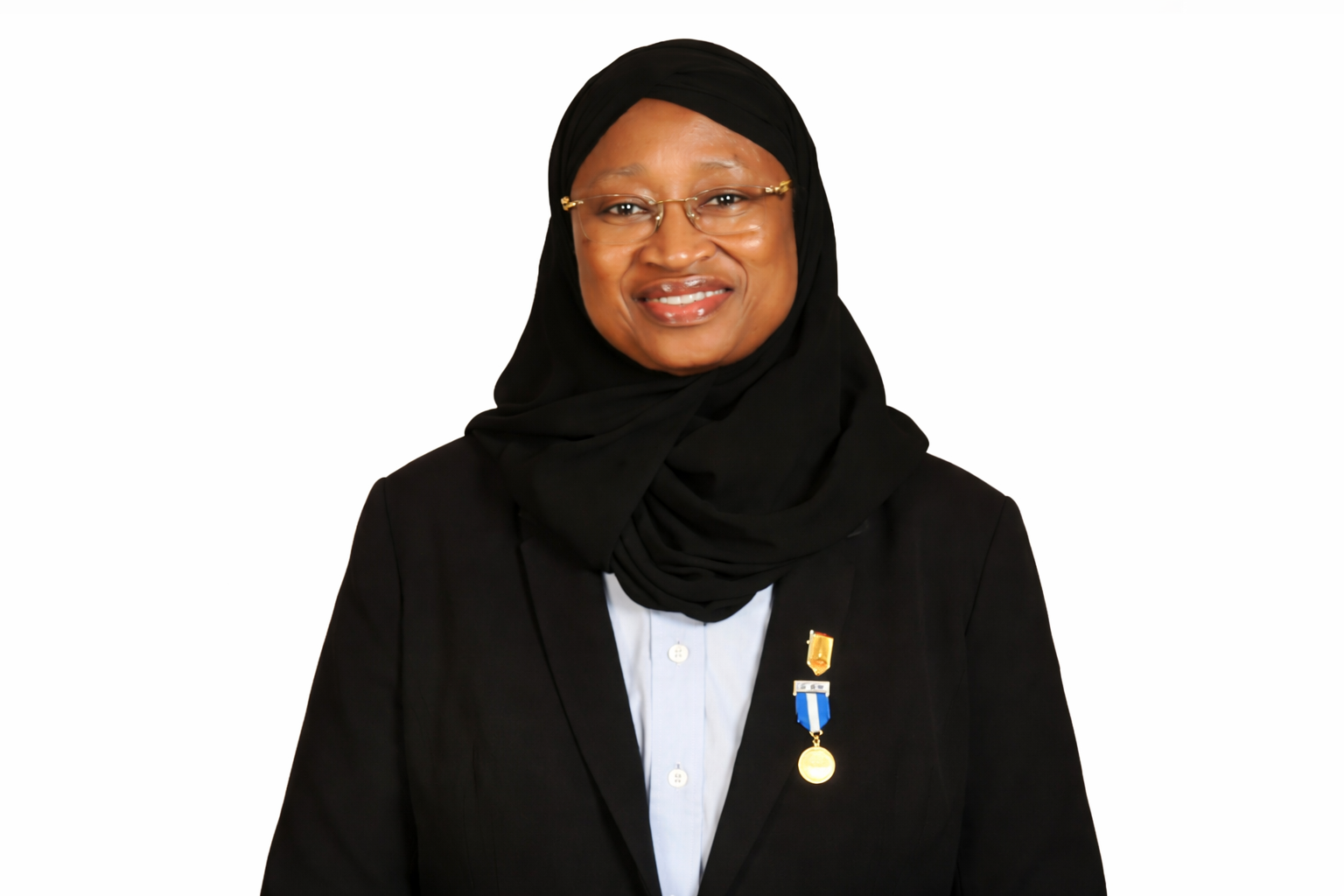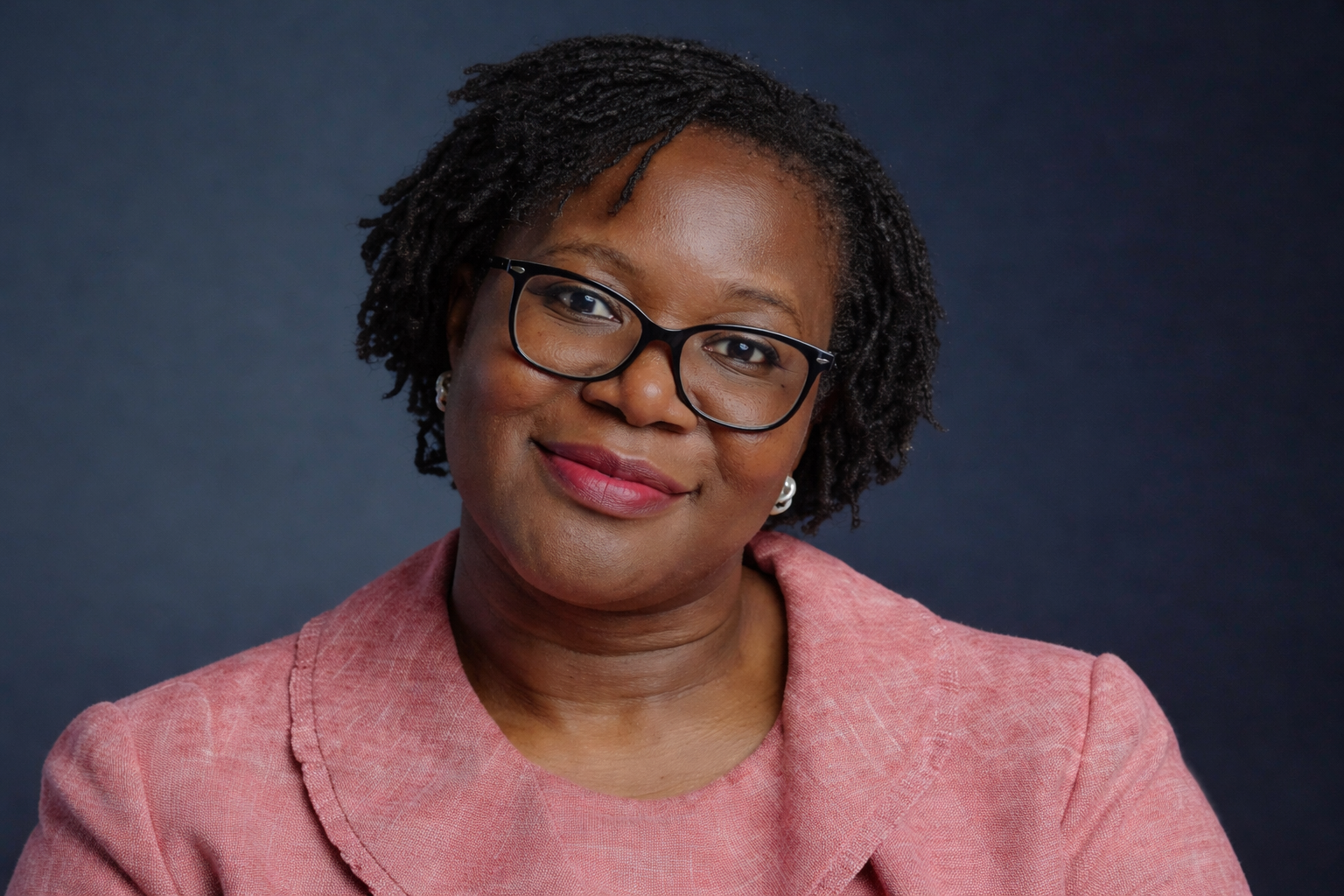
Prof. Yinka David-West
The public launch of ChatGPT by OpenAI in November 2022 accelerated Africa’s digital transformation landscape, post-COVID. The prominence of artificial intelligence (AI), a technology that has existed since the 1960s, skyrocketed with the release of generative AI tools.
In Nigeria, AI developments gained significant attention, with the Honourable Minister of Communication, Innovation and Digital Economy, Dr. Bosun Tijani, spearheading the creation of a national AI strategy. In line with using AI solutions to address national development priorities, Nigeria signed an MoU with the Gates Foundation to host one of the AI Scaling Hub (AISH) locations in Africa, anchored at Lagos Business School (LBS).
AI as a productivity multiplier
In Nigeria’s business landscape, AI was initially applied in individual use cases such as chatbots for customer service or automated credit scoring. The true economic opportunity, however, lay in scaling. For AI to meaningfully impact Nigeria’s GDP, it needed to evolve from fragmented pilot projects into a national utility integrated across key developmental sectors.
The AISH was designed to drive this transition. Leveraging LBS’s position at the intersection of academic rigor and private-sector leadership, the Hub became a neutral space where supply (tech innovators), demand (industry leaders), and policy (regulators and policymakers) converged to build a coherent AI ecosystem.
The Lagos Business School advantage
As host of the Nigeria AI Scaling Hub, Lagos Business School provided more than just a physical location. It offered governance frameworks and ethical oversight for high-stakes AI deployment. In sectors such as healthcare and financial services, trust is paramount. LBS ensured that AI scaling occurred with transparent, auditable models aligned with global and local governance standards.
The Hub’s mandate targeted sectors central to the Nigerian experience, including agriculture, healthcare, education, and government services. In agriculture, it supported the shift from subsistence to precision farming by providing AI-ready soil and weather data to AgTech innovators. In education, AI helped automate administrative tasks, allowing educators to focus on teaching and mentorship. In healthcare, the Hub created pathways for diagnostic and screening tools to be validated and deployed safely.
Through the AI Collective initiative, LBS also trained the next generation of AI-literate leaders across public and private sectors, ensuring leadership capacity to manage the disruptive potential of these technologies.
Addressing the infrastructure bottleneck
The AISH focused not only on AI but also on foundational digital public infrastructure (DPI) and sectoral equivalents including pedagogical (education), clinical (healthcare), agrifood (agriculture), governance (government), and trust and inclusion (financial services). Research indicated that Nigeria’s primary barrier to scaling AI was not talent but a lack of “system-facing” infrastructure.
National soil registries, federated health data exchanges, and other infrastructure layers acted as the “digital roads” for AI agents. The AISH built these rails alongside AI solutions, ensuring local innovators could access verified national data streams, reducing innovation costs and accelerating time-to-market for AgTech, EdTech, and HealthTech startups. Collaborations with partners such as Data Science Nigeria provided access to voice and language datasets relevant to Nigerian contexts.
A call to strategic action
In a global landscape where computing power and data are the new “oil,” Nigeria could not remain a passive consumer. The Nigeria AI Scaling Hub emerged as a strategic response to the global AI divide. By hosting local compute clusters and curating indigenous datasets, the AISH ensured AI models reflected local languages, nuances, and developmental goals, securing technological sovereignty.
The Hub is more than a research center. It is a commitment to a future where technology is a utility for shared prosperity. By aligning government, academia, and the private sector, the Nigeria AI Scaling Hub is not only preparing for an AI-driven world. It is building it.
Olayinka David-West is a Professor of Information Systems with over 30 years in IT and financial services, focusing on digital transformation and financial inclusion. She is Associate Dean at Lagos Business School, leads the SIDFS initiative, and holds certifications in financial inclusion and IT governance. Recognized as a leading expert in African fintech, she mentors women in STEM and holds a DBA from Manchester Business School.