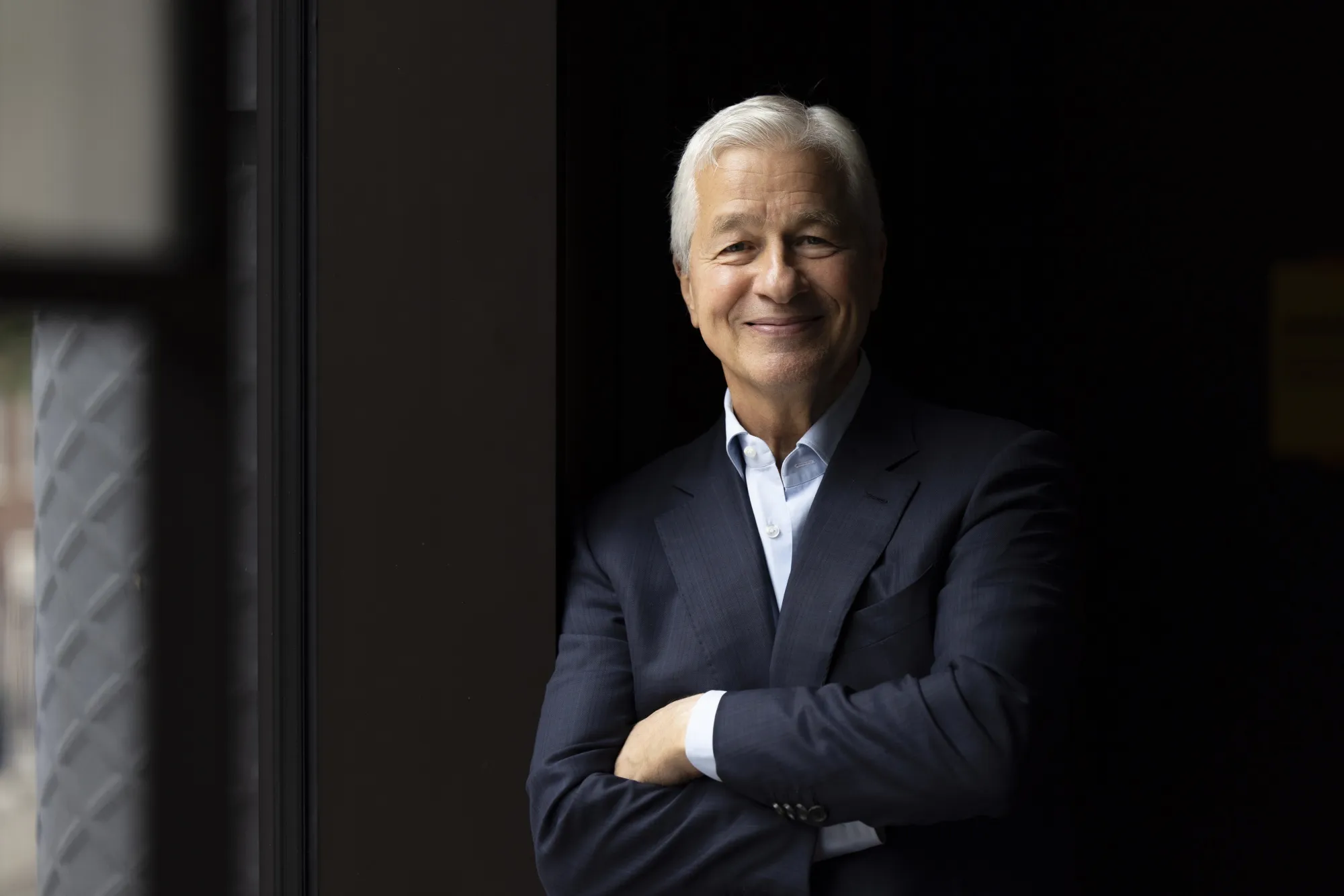
In the high-stakes world of global finance, few figures command respect and scrutiny like Jamie Dimon. Known for steering JPMorgan Chase through turbulent economic waters, Dimon’s story is as much about grit and resilience as it is about banking acumen.
Career resilience isn’t just a buzzword for Dimon, it’s personal. “I was fired from Citibank after 15 years,” he recalled, the words delivered with characteristic calm. At the time, the shock was real, but reflection brought clarity. “It was my net worth in the company, not my self-worth,” he explained. The lesson, he says, is universal: setbacks hurt, but they don’t define you. “Everyone experiences setbacks, and it’s okay to feel down for a while. But eventually, you have to get up and move on.”
Dimon’s next steps weren’t immediate. Months passed negotiating his exit, adjusting to a new office, and even taking a reflective European summer trip with his family. When opportunity knocked again, Bank One beckoning, Home Depot tempting, he chose challenge over comfort. Investing half his own money in Bank One, he sent a signal: he was all in.
YOU CAN ALSO READ: JPMorgan CEO, Jamie Dimon Bets Big on AI to Shape Future of Banking
At Bank One, Dimon found himself shaping a troubled company into a thriving enterprise. “I grew up around finance, my grandfather and father were stockbrokers, so navigating a complex financial institution didn’t intimidate me,” he said. Small, symbolic gestures, like introducing coffee into the executive room, signaled his leadership style: thoughtful, decisive, and a touch bold.
This approach eventually paved the way for JPMorgan Chase’s acquisition of Bank One, cementing Dimon’s reputation as a leader capable of transforming large, complex organizations. But the lessons went beyond balance sheets and mergers. “Listening, heart, humility, and curiosity have always been central to leadership,” Dimon says. “You have to respect people, from janitors to CEOs, and genuinely try to learn from them.”
Running one of the world’s largest banks requires constant vigilance. Dimon’s approach is measured and intentional: speak with purpose, avoid unnecessary commentary, and prioritize a strong, responsible financial system. Geopolitics, policy shifts, and global economic trends inform his decisions, but never dictate them. Personal adversity has also shaped his worldview. Having faced advanced throat cancer and a life-threatening heart incident, Dimon speaks candidly about mortality and gratitude. “Surviving these experiences didn’t change my love for what I do, but it reinforced the importance of preparation, caring for people, and appreciating life,” he said.
Dimon’s commitment to leadership has always been balanced by a devotion to family. “Family should be treated like anything else, it should be on your calendar,” he notes. The pandemic highlighted the importance of flexibility for caregivers, a principle now embedded in JPMorgan’s policies, including 16 weeks of parental leave for the second caregiver. Influenced by a lineage of strong women, his mother, wife, daughters, and now grandchildren, Dimon underscores values like integrity, curiosity, and purpose. “Do something meaningful, work hard, be curious, and give your full effort,” he advises.
Hiring the right leaders is a science and an art. Dimon looks for intelligence, curiosity, character, grit, and the ability to synthesize complex information. “The best leaders bring out the best in everyone,” he emphasized. Leadership, he believes, is less about being the smartest in the room and more about coaching others to excel.
Dimon champions diverse talent pipelines and practical education in civics and free enterprise. He’s skeptical of long-term remote work for young professionals, emphasizing in-person mentorship and social learning. Yet, he recognizes flexibility where it matters, ensuring company culture and collaboration thrive. Civic engagement and journalism also weigh heavily in his worldview. Dimon stresses the importance of accurate, in-depth reporting and informed policymaking as foundations for a functioning society, advising leaders like Jeff Bezos on international finance coverage.
YOU CAN ALSO READ: Zenith Bank Eyes London Stock Exchange Listing in Strategic Global Expansion Push
For Dimon, legacy is first and foremost family, followed by country, then JPMorgan Chase. Yet he acknowledges the broader impact of his career: “Helping employees, customers, communities, and the country” forms an enduring professional legacy. As for retirement, Dimon is contemplative but unhurried. He envisions writing, teaching, and working alongside his children, rejecting passive pursuits like golf in favor of active engagement.
Through trials, triumphs, illness, and professional challenge, Jamie Dimon exemplified a rare combination: resilience grounded in humility, leadership tempered by empathy, and vision married to action. His story is a masterclass in navigating life’s uncertainties, showing that success isn’t just measured in profits, but in preparation, gratitude, and the courage to keep moving forward.