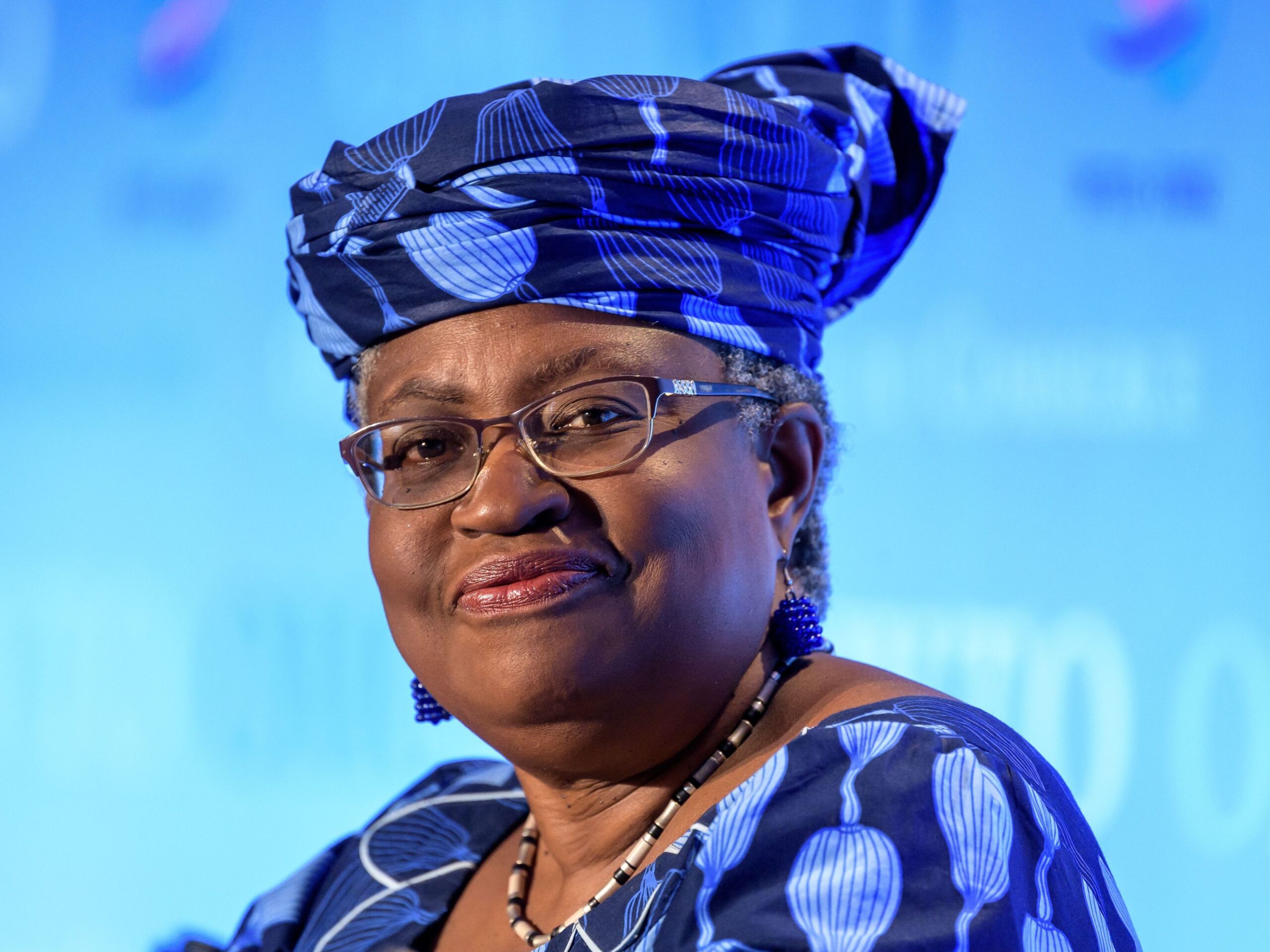
At a time when nations are racing to secure their place in an increasingly interconnected global economy, Ngozi Okonjo-Iweala has delivered a clear and urgent message to Nigeria: aviation is no longer a supporting sector but a strategic engine of growth.
Speaking at the Aircraft Acquisition and Investment Summit in Lagos, the Director-General of the World Trade Organization presented a compelling case for why Nigeria must rethink its aviation sector. Though she was unable to attend in person, her message resonated strongly among government officials and industry leaders gathered to shape the future of the sector.
With the authority of a global economic leader and the insight of a seasoned reformer, Okonjo-Iweala framed aviation not simply as infrastructure, but as a critical lever for trade, competitiveness, and national transformation. She emphasized that for a country seeking to move up the global value chain, reliable and efficient air transport infrastructure is not optional but essential.
YOU CAN ALSO READ: Nobody Owes You Success: Here’s What Top CEOs Want You to Know
Her remarks highlighted one of Africa’s most persistent economic challenges. Air connectivity across the continent remains limited, costly, and time-consuming, often constraining trade and investment. In many cases, traveling between two African countries still requires routing through Europe, increasing both cost and complexity. This inefficiency, she stressed, is a structural constraint on growth and helps explain why intra-African trade remains low and the continent’s share of global trade continues to lag.
She pointed to the critical role aviation plays in global commerce. In 2025, air cargo accounted for nearly 30 percent of global trade by value, despite representing less than one percent by weight. This underscores aviation’s unique role in transporting high-value, time-sensitive goods such as pharmaceuticals, electronics, perishables, and components that power the digital economy. When air cargo systems function efficiently, they do not simply support trade, they enable it.
While acknowledging the progress Nigeria has made in expanding its aviation sector through the growth of private airlines and improvements in safety, Okonjo-Iweala noted that the country is still operating far below its potential. The sector currently supports over 216,700 jobs and contributes less than three billion dollars to GDP. In 2023, international tourism arrivals by air generated about 760 million dollars, while air freight volumes stood at 195,700 tonnes. For a country of Nigeria’s size and ambition, she made it clear that these figures should be significantly higher.
Central to her message was the urgent need to upgrade and maintain airport infrastructure. She stressed that investing in the aviation ecosystem must go beyond acquiring new aircraft to include modern airport facilities, efficient air navigation services, and a strong maintenance culture. Without these, airlines will struggle to scale, costs will remain high, and competitiveness will be limited.
She also addressed the structural cost challenges facing the sector. Despite high ticket prices, African airlines earn less per passenger than the global average. Fuel costs, airport taxes, and operational charges remain significantly higher than global benchmarks, placing additional pressure on airlines and limiting growth. She called for a comprehensive review of these cost drivers and emphasized the importance of creating an enabling business environment that inspires investor confidence.
A key part of her recommendation was the need to embrace public-private partnerships as a pathway to transformation. She noted that the financial burden of modernizing aviation infrastructure should not rest solely on government. Instead, private capital must be mobilized through well-structured partnerships where government provides regulatory certainty and long-term frameworks, while the private sector brings investment, expertise, and operational efficiency. This model, she observed, has delivered world-class airports and logistics hubs in other parts of the world and offers Nigeria a viable path forward.
YOU CAN ALSO READ: Youngest Self-Made Woman Billionaire, Lucy Guo Reinvents the Creator Economy
Her remarks also carried a broader strategic implication. For Nigeria to fully benefit from initiatives such as the African Continental Free Trade Area, it must build the infrastructure required to support manufacturing, exports, and regional integration. Aviation will play a central role in that transformation, connecting markets, enabling trade, and positioning the country as a gateway between West Africa and the global economy.
Ultimately, Okonjo-Iweala’s message was clear. Aviation is far more than a transport sector. It is a powerful economic enabler that can unlock growth, expand trade, and create jobs at scale. The opportunities are vast, but realizing them will require deliberate policy choices, sustained investment, and strong collaboration between the public and private sectors.
For Nigeria, the moment calls for bold action. The decisions made today about aviation infrastructure, regulation, and investment will shape the country’s economic trajectory for decades to come.