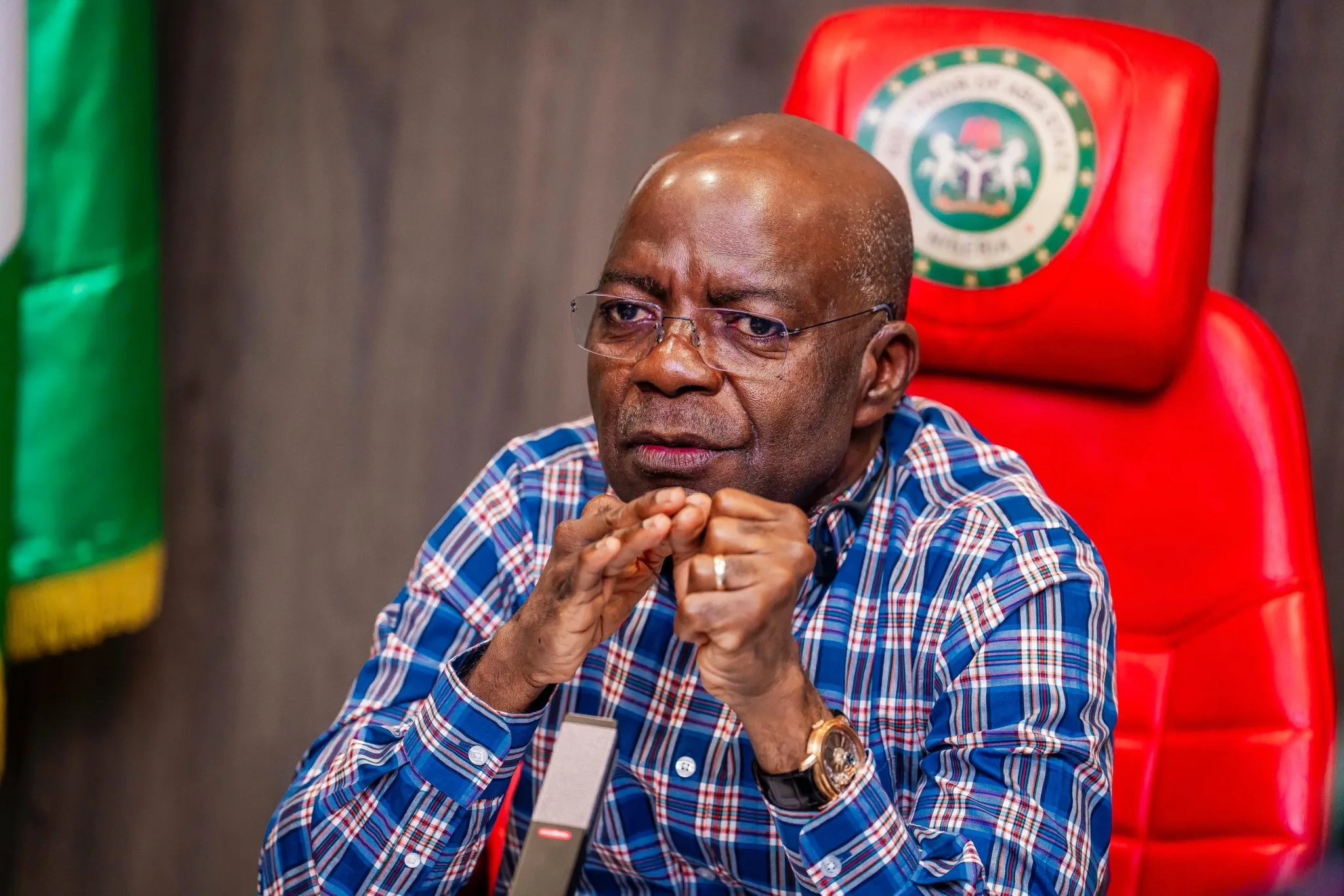
There is a quiet intensity about Alex Otti, the kind that does not announce itself with grand gestures, but reveals itself in clarity of thought, conviction, and an unflinching sense of purpose. As Governor of Abia State, he stands at the intersection of faith, governance, and reform, articulating a vision that challenges long-held assumptions about leadership, responsibility, and the role of citizens in shaping the future of Nigeria.
Speaking before a distinguished gathering of faith leaders and professionals, Otti did not offer comfort. Instead, he offered a call to responsibility. His message was clear: Nigeria’s challenges are real, but so too is its potential, and the difference between the two lies in leadership, values, and participation.
Nigeria, he observed, is at a defining moment. Economic hardship, insecurity, unemployment, institutional distrust, and corruption continue to weigh heavily on the nation. Yet beneath these visible struggles lies a deeper issue, a crisis of values and leadership culture that has eroded confidence and slowed progress. For Otti, however, these moments of pressure are not signs of decline alone, they are also moments of possibility. History, he noted, shows that nations are often reborn in periods of uncertainty, when systems are forced to confront their failures and rediscover their purpose.
YOU CAN ALSO READ: Sterling Bank Targets $42bn Financing Gap for Women-Led Businesses
In that process of rediscovery, he believes the church holds a unique and powerful role. Drawing from history, Otti reflected on the early Christian community, not as a passive religious body, but as a transformative force that reshaped society. It was a community that combined spiritual message with practical impact, caring for the poor, supporting the vulnerable, and dismantling social barriers. In a deeply unequal world, the early church created an alternative system rooted in dignity, equity, and shared responsibility.
That historical model, he argued, is not merely inspirational, it is instructive. The modern church must move beyond charity and embrace transformation. Economic empowerment, in his view, is one of the most urgent areas for action. Rather than distributing short-term relief, institutions of faith can become engines of productivity by supporting enterprise, fostering skills development, and creating systems that enable self-reliance.
Otti’s argument is not theoretical. It is grounded in practice. In Abia State, his administration has prioritized enterprise development as a pathway to sustainable growth. The philosophy is simple but powerful: people must be empowered to create value, not conditioned to depend on handouts. This approach, he suggests, can be amplified if the church leverages its reach and influence to mobilize communities around productivity and innovation.
Education, too, sits at the center of his vision. Otti points to the legacy of mission schools in shaping Nigeria’s leadership and calls for a revival of that tradition, one that blends academic excellence with moral grounding and practical skills. Through reforms in Abia, including leadership development programs and technology incubation initiatives, his government is working to equip young people with the tools needed to thrive in a rapidly changing world. The goal is not simply to produce graduates, but to raise responsible citizens capable of contributing meaningfully to society.
Healthcare, he adds, must also evolve. The church has historically played a vital role in providing medical services, but the demands of today require a broader approach that includes mental health awareness, preventive care, and community outreach. Partnerships between government and faith-based organizations, he notes, have already demonstrated how collaboration can deliver tangible improvements in people’s lives.
Yet it is in the realm of governance that Otti’s message becomes most pointed. He challenges the long-standing notion that politics is inherently corrupt and therefore best avoided by people of faith. That mindset, he argues, has come at a cost. By withdrawing from the political space, many have inadvertently allowed it to be shaped by those without the values needed for ethical leadership.
Politics, in his view, is not a profession to be avoided, but a responsibility to be embraced. Leadership requires participation, and participation requires a shift in mindset. Citizens must see governance not as a distant activity carried out by others, but as a collective endeavor that demands engagement, accountability, and courage.
As Nigeria looks toward future elections, Otti’s call becomes even more urgent. He urges citizens, particularly those within faith communities, to move beyond passive observation and become active participants in the political process. This includes registering with political parties, voting responsibly, and holding leaders accountable. Without such involvement, he warns, it becomes difficult to influence the policies and decisions that shape everyday life.
Underlying his message is a broader philosophy, one that connects faith with action. Prayer, he acknowledges, is essential, but it must be accompanied by deliberate steps to address the structural issues facing society. Many of the problems often attributed solely to spiritual causes, he argues, are in fact the result of poor governance and systemic failure. Addressing them therefore requires practical solutions alongside spiritual commitment.
YOU CAN ALSO READ: Dangote Charts Path to $100 Billion Empire with Bold Vision 2030
In Abia, this philosophy is already taking shape. From infrastructure improvements to reforms in education and economic policy, Otti’s administration is working to restore what he describes as the dignity of the people. It is a vision rooted not in comparison with other states, but in rediscovering Abia’s own identity and potential. The goal is to create an environment where citizens can thrive, innovate, and take pride in their contributions.
For Otti, leadership is ultimately about service. It is about creating systems that work, empowering people to succeed, and fostering a culture of integrity that extends beyond government into every aspect of society. It is also about courage, the willingness to challenge entrenched beliefs and to insist that change is possible.
As he concluded his address, the message lingered with quiet force. Nigeria’s transformation will not come from rhetoric alone. It will come from people who are willing to step forward, take responsibility, and act. In that sense, Alex Otti is not merely offering a critique of the present. He is issuing an invitation to shape the future.