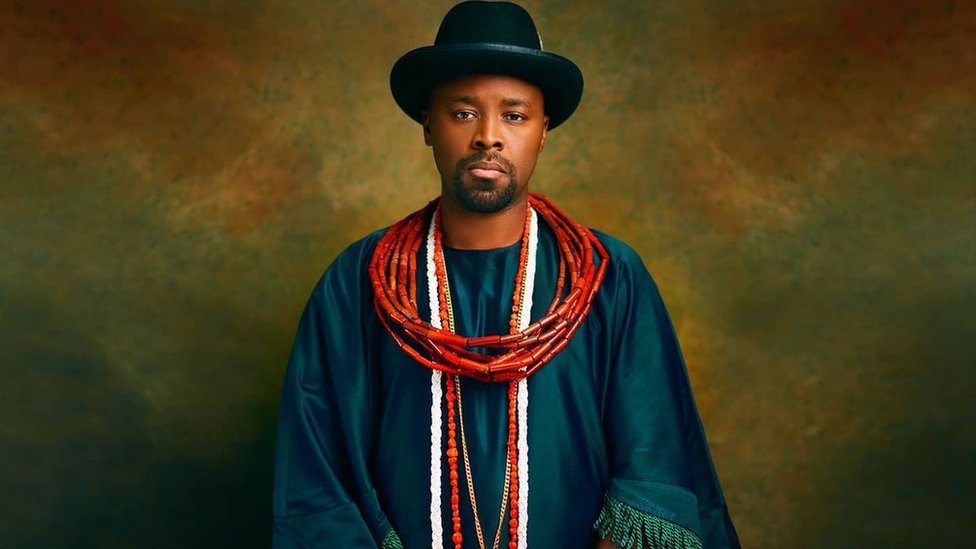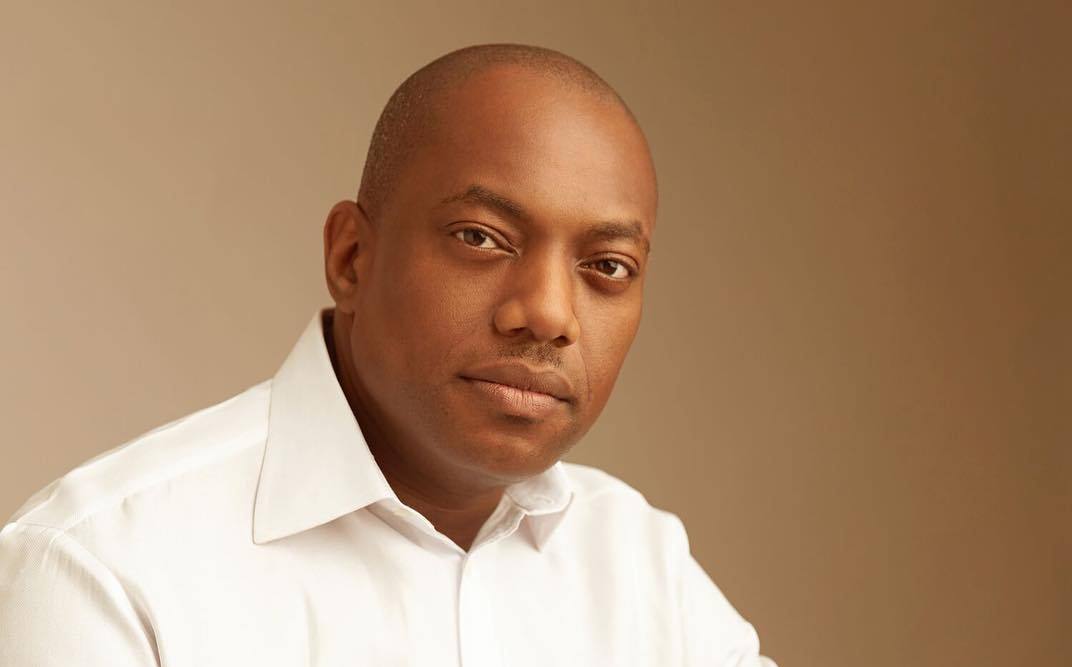
For Fela Durotoye, one of Nigeria’s most respected leadership voices, success has never been a product of strategy alone. It is, he insists, the outcome of clarity, obedience, and what he describes as “divine instruction.”
Speaking in a deeply personal and reflective session, Durotoye recounted how a single moment of conviction in 2001 altered the trajectory of his life and business, transforming a modest consulting outfit into a firm that would later shape Nigeria’s banking sector.
At the time, his company operated out of a one-room apartment with just two staff members. Resources were limited, and opportunities seemed distant. Then came what he describes as a clear directive: go into the banking sector.
YOU CAN ALSO READ: From Pulpit to Policy: Alex Otti Redefines Role of Faith in Governance
Within days, events began to align in ways that would later seem extraordinary. A client offered to introduce him to Tony Elumelu, one of the country’s most influential banking figures. A chance encounter at church, where Durotoye playfully calmed a crying child, unexpectedly connected him to a senior executive at what was then Standard Trust Bank.
The following day, that same executive became his gateway into the institution.
“It was you who made my daughter laugh,” the executive reportedly said upon recognizing him. That moment of coincidence quickly turned into opportunity, marking the beginning of Durotoye’s entry into Nigeria’s banking industry.
From that point, growth came rapidly. Within a year, he had moved from a modest setup to operating at a significantly higher level, serving major financial institutions and expanding his influence. But the journey was not without disruption.
In 2004, sweeping reforms announced by Charles Soludo, then Governor of the Central Bank of Nigeria, raised the minimum capital requirement for banks to ₦25 billion. The policy triggered widespread uncertainty across the industry. For consultants like Durotoye, the impact was immediate as banks cut training budgets to focus on survival.
“The market dried up overnight,” he recalled.
Faced with a potential collapse of his business, Durotoye turned inward. He withdrew for three days, seeking clarity on what to do next. What emerged, he said, was not just an answer, but a strategy that would redefine his work.
Rather than focusing on his own challenges, he shifted perspective to the banks’ core problem: raising capital. From that insight came a new offering—training bank staff on how to attract and secure investor confidence.
He developed a framework built around critical questions every banker needed to answer to win investors’ trust. The response from the industry was immediate.
Executives, including leaders at major institutions such as Fidelity Bank, quickly adopted the program. Over time, Durotoye worked with multiple banks navigating the recapitalisation process, many of which successfully met regulatory requirements.
At the peak of this period, his firm was delivering high-level training sessions across banking networks, commanding significant fees and operating at full capacity for months.
Yet, for Durotoye, the financial success was secondary to the principle behind it.
“Success comes from solving the right problem,” he explained. “Not just your problem, but the problem that matters most in your environment.”
YOU CAN ALSO READ: Sterling Bank Targets $42bn Financing Gap for Women-Led Businesses
That philosophy would later guide another pivot. As global and local disruptions reshaped business landscapes, Durotoye again stepped back to reassess. This time, the outcome was the creation of a global coaching platform, expanding his reach beyond Nigeria.
Central to his message is a simple but powerful framework: identify whose problem you are solving, define the value you deliver, and clarify how you deliver it.
For many in attendance, his story served as both inspiration and challenge, a call to move beyond routine decision-making and embrace intentional, value-driven action.
In a world often defined by uncertainty, Durotoye’s perspective offers a different lens. One where clarity is not accidental, opportunity is not random, and growth is anchored in purpose.
“If you are willing to follow the right instruction,” he said, “the world will follow you.”