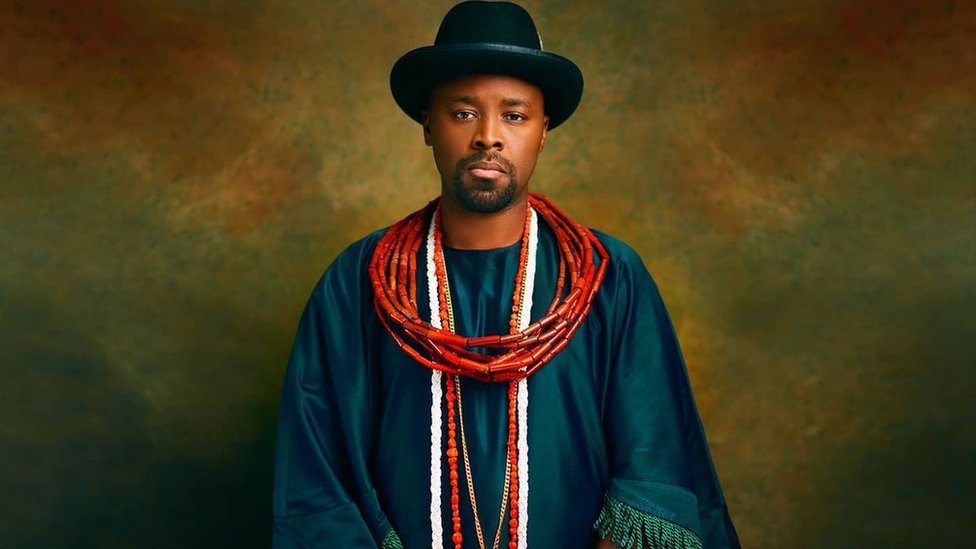
In a deeply reflective and spiritually grounded conversation on tradition, leadership, and destiny, His Majesty Ogiame Atuwatse III, the Olu of Warri, offered rare insight into the sacred weight of kingship and the evolving role of African traditional institutions in a modern world. Speaking with calm authority and thoughtful clarity, he framed his journey not merely as a passage to the throne, but as a divinely guided unfolding of purpose, discipline, and surrender.
He began by situating kingship within the broader architecture of African tradition, where royalty is neither accidental nor purely ceremonial, but shaped by lineage, structure, and sacred responsibility. In the Warri Kingdom, succession followed a royal system rooted in established ruling houses, where history, custom, and continuity intersected. Yet, as His Majesty explained, inheritance alone did not define the making of a king. His own path was marked by complexity, emotional refinement, and spiritual recalibration.
YOU CAN ALSO READ: Inside the Legacy of Stella Okoli: Medicine, Manufacturing, and Mission
He recalled a journey shaped by transition and turbulence following the passing of his father, a period that required not only patience but profound inner work. What emerged from that season, he reflected, was not resentment but renewal. The experience demanded emotional stripping, a release of bitterness toward people and circumstances entangled in succession dynamics, and a conscious embrace of forgiveness as preparation for leadership. In his words, kingship required him first to be healed before he could be crowned.
He described the process with the imagery of loss and return, a symbolic journey through absence, reflection, and restoration that ultimately shaped his readiness for the throne. Rather than viewing obstacles as derailment, he interpreted them as refinement, moments that stripped away ego and sharpened spiritual awareness. Every stage, he suggested, carried meaning, forming a quiet curriculum of leadership long before coronation rites were completed.
At the heart of his reflection was a theology of surrender. He spoke of entering God as a shield, not as a warrior against culture or tradition, but as one who sought divine wisdom within existing covenants and spiritual realities. He acknowledged the depth of traditional structures, describing them as systems rooted in historical covenants and communal memory, yet insisted that divine guidance transcended all frameworks.
In his interpretation, leadership was ultimately about alignment with higher instruction. He recalled moments of inner questioning, where inherited models of leadership were challenged by spiritual prompting, urging him to embrace a path not bound by imitation but by revelation. Even covenants tied to centuries of tradition, he suggested, existed within a larger divine narrative that stretched beyond human chronology.
His Majesty was careful to affirm that acknowledging spiritual depth in tradition was not a rejection of faith, but an integration of understanding. For him, kingship was not a position of personal authority but a platform of representation, where his life must become, in his own words, a billboard of divine grace and accountability.
Turning to the Warri Kingdom and the Itsekiri people, he spoke with affection and pride. He resisted modest reduction, insisting that the people were neither small nor marginal but deeply significant within Nigeria’s cultural and historical landscape. He reflected on a saying he had heard in childhood, that governing the Itsekiri people was akin to governing Nigeria itself, a statement he only fully understood through lived experience rather than youthful curiosity.
He described the Itsekiri identity as spiritually rich and symbolically surrounded by blessing, yet acknowledged that blessing often attracted complexity, tension, and competing interests. Leadership in such a context, he explained, required restraint, wisdom, and constant dependence on divine direction. It was not a role that could be navigated through human emotion alone, but through a steady commitment to righteousness and justice as guiding principles.
He emphasized that the throne remained non partisan, warning that political alignment could weaken the moral authority of traditional institutions. In his view, kingship had to rise above political contestation, serving instead as a custodian of values and a stabilizing voice that pointed people back to truth, balance, and in many cases, to God.
When reflecting on modernization, His Majesty challenged the assumption that progress required cultural abandonment. He drew attention to societies such as Japan and Thailand, where deep tradition coexisted with technological advancement and global influence. For him, modernization was not a rejection of heritage but a disciplined integration of education, exposure, and perspective.
He placed education at the foundation of transformation, followed by the necessity of experiential learning through travel and exposure to different ways of life. Yet he cautioned that such exposure must not erode identity but strengthen it. The goal, he explained, was to restore dignity, renew confidence, and expand worldview without disconnecting people from their roots.
YOU CAN ALSO READ: Fela Durotoye and the Power of Clarity in Business Success
Addressing the pressures of leadership, he was candid about the demands placed on public figures and traditional rulers alike. The burden of expectation, he noted, inevitably touched health, peace of mind, and family life. Balance, therefore, was not optional but essential. Even within the constraints of kingship, he intentionally carved out space for family, reflection, and rest, recognizing that leadership without restoration became unsustainable.
In moments of personal honesty, he acknowledged the human cost of visibility, where privacy was diminished and ordinary life became a rare privilege. Yet he accepted this not as loss, but as responsibility, shaped by the understanding that leadership required sacrifice and discipline.
Ultimately, His Majesty Ogiame Atuwatse III defined his reign not through power or ceremony, but through purpose. He expressed a desire that history would remember his leadership as one that restored dignity, expanded possibility, and helped his people transcend inherited limitations. Above all, he anchored his vision in restoration, the essence of his royal identity, and the guiding principle of his calling.
In his words and in his silence alike, the contours of a modern African kingship emerged, one rooted in tradition, shaped by faith, and continually negotiating the delicate balance between history and hope.