In the fast-evolving landscape of global finance, few countries have matched the velocity and ingenuity of Nigeria. From mobile payments to agency banking and real-time transfers, the country has engineered one of the most dynamic financial ecosystems in the world—an achievement driven by necessity, innovation, and an unrelenting push for inclusion.
Yet, as the system expands, so too does its exposure.
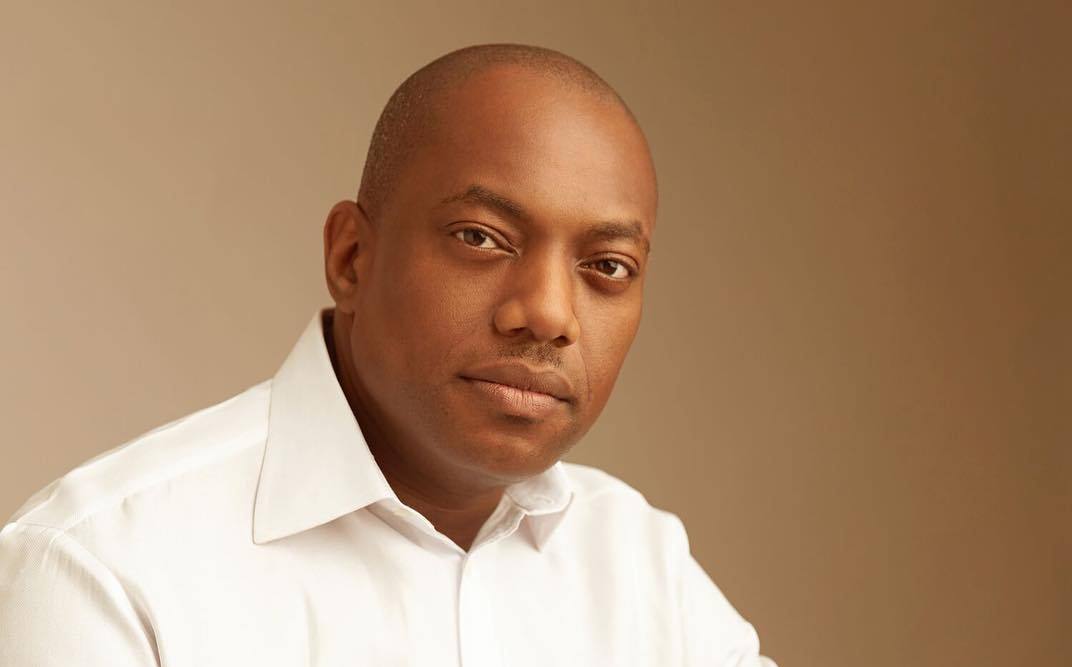
For Oluwaseun Runsewe, CEO of SBK Technology, the next phase of Nigeria’s financial evolution is not about speed but about security. In his view, the country is finally laying the foundation it has long needed.
YOU CAN ALSO READ: From Pulpit to Policy: Alex Otti Redefines Role of Faith in Governance
At the heart of this transition is a decisive policy shift led by the Central Bank of Nigeria, backed by a presidential executive order designating banking and finance as critical national infrastructure. The move, now crystallized in the CBN’s 2026 compliance mandates, signals a new era where cybersecurity is no longer optional but systemic.
Runsewe describes the policy as an elegant piece of architecture, one that translates high-level national intent into practical, day-to-day actions across the financial system. He explains that the shift is about creating a shared security baseline that applies to everyone, from microfinance institutions to tier-one banks. It is a move away from compliance as paperwork toward compliance as culture.
For everyday Nigerians, the implications are deeply personal. Trust remains the currency that underpins the financial system, and without it, innovation falters. Runsewe is clear that the objective is not just technical resilience but psychological assurance. People, he says, should feel confident enough to keep their money in the bank rather than under their beds.
That confidence must be earned. Recent industry incidents that exposed vulnerabilities have reinforced the urgency of strengthening the system. Rather than dismiss these developments, Runsewe sees them as validation of the need for a unified and actionable security framework. It is not about reacting to a single घटना but about preparing for a range of potential threats.
A recurring theme in his approach is simplicity. Despite the complexity of cybersecurity, the solutions must be accessible. Security, he explains, is not just about technology but about people, processes, and systems working together. This philosophy underpins SBK Technology’s work in designing architectures that can be adopted across institutions of varying sizes and capacities. Whether a five-person finance house or a multinational bank, the expectation remains the same. Security must be embedded into daily operations and decision-making.
The importance of culture cannot be overstated. Every decision, whether technical or administrative, should be filtered through a security lens. This is how institutions close the gaps that threat actors often exploit.
One of the most significant aspects of the CBN’s new framework is its inclusivity. While smaller institutions initially expressed concern about the cost and complexity of compliance, the architecture has been deliberately designed to be scalable. With the right guidance, any institution can adopt it without being overwhelmed. The challenge is not capability but translation, turning policy into practical action.
As Nigeria builds this new security baseline, emerging technologies, particularly artificial intelligence, are expected to play a defining role. Runsewe points to AI-driven fraud detection as a powerful tool that can analyse transaction patterns and flag suspicious activities in real time. This allows institutions to move from reacting to threats to anticipating them.
Beyond fraud detection, AI is also transforming risk management by providing dynamic insights into vulnerabilities and recommending ways to mitigate them. From identifying fraudulent calls to assessing system risks, the applications are extensive and evolving.
Concerns about talent loss due to migration remain valid, but Runsewe is optimistic. Nigeria’s strength lies in its people, especially its young and innovative workforce. While brain drain is a reality, it is not a barrier strong enough to halt progress. Across the ecosystem, young professionals continue to build and secure the systems that power the nation’s financial infrastructure.
YOU CAN ALSO READ: From Pulpit to Policy: Alex Otti Redefines Role of Faith in Governance
For Runsewe and SBK Technology, this moment represents both a challenge and an opportunity. Having contributed to policy discussions with the Central Bank, the firm is now positioned at the intersection of strategy and execution, helping institutions navigate compliance while simplifying adoption. Their role, he says, is to make security understandable, practical, and deployable.
If successfully implemented, Nigeria’s evolving cybersecurity framework could set a new standard across the continent. In the coming months, a stronger and more resilient financial system is expected to emerge. Still, Runsewe cautions that security is not a one-time achievement but a continuous process that must evolve alongside innovation.
For now, his message is one of reassurance. There is no need for panic. The system is improving, the gaps are being addressed, and the financial ecosystem is becoming safer for everyone.